 35 citations
,
April 2008 in “Human Molecular Genetics”
35 citations
,
April 2008 in “Human Molecular Genetics” Skin and hair can help us understand organ regeneration, especially how certain stem cells might be used to form new organs.
 23 citations
,
November 2015 in “Phytotherapy Research”
23 citations
,
November 2015 in “Phytotherapy Research” Certain herbal compounds, especially from bitter melon, can inhibit cancer growth and promote hair growth by blocking PAK1.
 15 citations
,
April 2017 in “Cell Stem Cell”
15 citations
,
April 2017 in “Cell Stem Cell” Some brain cancer cells avoid immune system detection, and certain treatments could target this to slow their growth; also, certain fat cell precursors help regenerate hair and skin after injury.
 13 citations
,
April 2022 in “Frontiers in oncology”
13 citations
,
April 2022 in “Frontiers in oncology” Melanoma development can be linked to the breakdown of skin's melanin-producing units.
 11 citations
,
June 2012 in “Human Reproduction Update”
11 citations
,
June 2012 in “Human Reproduction Update” The conclusion is that there is a high demand for new contraceptives that provide both pregnancy prevention and protection against STIs, along with additional health benefits.
 9 citations
,
March 2019 in “Science”
9 citations
,
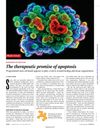
March 2019 in “Science” Blocking cell death in certain stem cells can improve wound healing and tissue regeneration.
 8 citations
,
June 2011 in “Nature Biotechnology”
8 citations
,
June 2011 in “Nature Biotechnology” Stem cell treatments can potentially treat baldness, with one trial showing hair growth after injecting a hair-stimulating complex, and no safety issues were reported.
 6 citations
,
December 2021 in “PLoS Genetics”
6 citations
,
December 2021 in “PLoS Genetics” Polycomb Repressive Complex 2 is not needed for hair regeneration.
 4 citations
,
January 2013 in “Advances in Experimental Medicine and Biology”
4 citations
,
January 2013 in “Advances in Experimental Medicine and Biology” Certain transcription factors are key in controlling skin stem cell behavior and could impact future treatments for skin repair and hair loss.
 March 2026 in “Frontiers in Immunology”
 Regulatory T cells help heal skin wounds by reducing inflammation and promoting tissue repair.
 January 2018 in “Stem cell biology and regenerative medicine”
 The nucleus is key in controlling skin growth and repair by coordinating signals, gene regulators, and epigenetic changes.
 April 2016 in “Journal of Investigative Dermatology”
 Male pattern baldness is linked to a higher risk of certain skin cancers, especially on the scalp.
 February 2011 in “Expert Review of Dermatology”
 Researchers found potential new targets for treating melanoma and nonmelanoma skin cancers, and identified a possible cause and treatment for male pattern baldness and eczema.
 October 2007 in “Journal of Investigative Dermatology”
 The meeting highlighted the genetic basis of female pattern hair loss and various skin health insights.
 119 citations
,
November 2014 in “Trends in Cell Biology”
119 citations
,
November 2014 in “Trends in Cell Biology” Fibroblast growth factor receptor signaling controls cell development and repair, and its malfunction can cause disorders and cancer, but it also offers potential for targeted therapies.
 20 citations
,
January 2013 in “Cell & Bioscience”
20 citations
,
January 2013 in “Cell & Bioscience” Understanding how epigenetic regulation affects stem cells is key to cancer insights and new treatments.
 135 citations
,
December 2013 in “Seminars in Cell & Developmental Biology”
135 citations
,
December 2013 in “Seminars in Cell & Developmental Biology” Stem cells in the hair follicle are regulated by their surrounding environment, which is important for hair growth.
June 2025 in “International Journal of Molecular Sciences” LncRNAs play a crucial role in muscle regulation and could help develop treatments for Duchenne muscular dystrophy.
7 citations
,
May 2022 in “Cancers” UC.145 may be a new biomarker for predicting gastric cancer.
24 citations
,
July 2014 in “Journal of Investigative Dermatology” Nagashima-type palmoplantar keratosis in Asians is caused by a SERPINB7 gene mutation.
September 2025 in “Current Oncology” LncRNAs may help improve brain cancer treatment and diagnosis.
4 citations
,
October 2019 in “Skin Appendage Disorders” Gefitinib can cause hair and eyebrow darkening.
29 citations
,
June 2015 in “Kidney International” Disrupting the Flcn gene in mice causes early kidney cysts and tumors, which can be treated with rapamycin.
April 2010 in “Cancer Research” Basal cell carcinomas may use IDO to protect themselves from the immune system.
December 2022 in “International Journal of Molecular Sciences” Afatinib, neratinib, and zanubrutinib could be effective against KRASG12C-mutant tumors.
55 citations
,
March 2014 in “EMBO Reports” Protein ubiquitylation is crucial for controlling stem cell functions and could be targeted for cancer treatment.
21 citations
,
April 2016 in “International Journal of Oncology” GnRH treatment can reduce breast cancer cell invasion.
16 citations
,
December 2021 in “Journal of Integrative Neuroscience” miR-325-3p can slow down brain tumor growth by targeting FOXM1.
2 citations
,
July 2024 in “International Journal of Molecular Sciences” More research is needed to understand how adipose-derived stem cells affect liver cancer treatment.
 April 2016 in “Journal of Investigative Dermatology”
 MEK and BRAF inhibitors increase sebum production and accumulation, which could cause acne-like side effects.