 January 2020 in “Przegla̧d dermatologiczny”
 A 5-year-old boy was diagnosed with congenital triangular alopecia, a type of hair loss without skin changes, usually starting between ages 2-5, with no specific treatment.
 January 2018 in “Figshare”
 Horizontal sections of scalp biopsies are useful for telling the difference between Androgenetic Alopecia and Alopecia Areata.
Androgenetic alopecia causes gradual hair thinning due to genetics and hormones, with treatment options including scalp prostheses.
 January 2015 in “Springer eBooks”
 The pull test and wash test are cheap, easy methods to diagnose hair loss.
 70 citations
,
April 1990 in “Journal of The American Academy of Dermatology”
70 citations
,
April 1990 in “Journal of The American Academy of Dermatology” Minoxidil treatment increased hair growth for up to 5 years, requiring twice daily application.
 38 citations
,
January 2015 in “Journal of Cosmetic Dermatology”
38 citations
,
January 2015 in “Journal of Cosmetic Dermatology” The nutritional supplement improved hair density and reduced hair loss in women with female pattern hair loss.
26 citations
,
March 1994 in “Archives of Dermatology” 2% topical minoxidil effectively promotes hair growth in women with androgenetic alopecia.
16 citations
,
July 1988 in “International Journal of Dermatology” The 2% minoxidil solution is safe and effective for treating male pattern baldness.
14 citations
,
September 1990 in “Journal of the American Academy of Dermatology” Viprostol does not effectively promote hair growth in male pattern baldness.
12 citations
,
October 2015 in “PubMed” Topical minoxidil significantly increases hair growth in androgenetic alopecia but only some patients see cosmetically acceptable results.
7 citations
,
September 1991 in “PubMed” 2% topical minoxidil helps hair regrowth in women with androgenetic alopecia.
 7 citations
,
November 1987 in “Pharmacotherapy: The Journal of Human Pharmacology and Drug Therapy”
7 citations
,
November 1987 in “Pharmacotherapy: The Journal of Human Pharmacology and Drug Therapy” Minoxidil can help thicken hair in some people with male pattern baldness, especially if used early and continuously.
 2 citations
,
October 2022 in “Journal of cosmetic dermatology”
2 citations
,
October 2022 in “Journal of cosmetic dermatology” CBD may increase hair growth, but the right concentration is crucial and more research is needed.
2 citations
,
January 2014 in “Journal of the American Academy of Dermatology” Topical minoxidil effectively promotes hair regrowth in male pattern baldness.
Using 5% minoxidil foam twice daily can help regrow hair, especially in younger men aged 20-30.
 August 2019 in “Journal of The American Academy of Dermatology”
 5% minoxidil foam effectively regrows hair in women, with postmenopausal women seeing the most improvement.
 October 1990 in “Archives of Dermatology”
 Hair loss and growth can be accurately measured using computer-assisted counting.
9 citations
,
May 2013 in “European Journal of Dermatology” Dermoscopy can non-invasively detect eruptive vellus hair cysts on the labia majora.
 51 citations
,
March 1987 in “Journal of The American Academy of Dermatology”
51 citations
,
March 1987 in “Journal of The American Academy of Dermatology” Minoxidil keeps most hair growth from first year and twice-daily use is better with few side effects.
 16 citations
,
January 2015 in “Annals of Dermatology”
16 citations
,
January 2015 in “Annals of Dermatology” The study found specific hair and scalp patterns for different types of hair loss in Koreans, noting racial differences affect diagnosis.
December 2025 in “Indian Journal of Dermatology” Extraction videodermoscopy is an effective, non-invasive diagnostic tool for eruptive vellus hair cysts.
 44 citations
,
August 2008 in “Archives of Dermatology”
44 citations
,
August 2008 in “Archives of Dermatology” Trichoscopy is a non-invasive way to diagnose hair and scalp problems without needing hair samples.
 5 citations
,
May 2008 in “Nature Precedings”
5 citations
,
May 2008 in “Nature Precedings” Trichoscopy is a useful non-invasive method to diagnose female hair loss with high accuracy.
February 2023 in “International Journal of Advanced Research” Trichoscopy is a cost-effective and non-invasive tool for diagnosing alopecia areata.
 January 2025 in “Dermatology Practical & Conceptual”
 Perinevoid alopecia can be effectively treated with non-invasive corticosteroids.
January 2023 in “Indian Dermatology Online Journal” A 23-year-old man has a benign, non-progressive hair loss patch that doesn't respond to treatment but can be cosmetically treated.
 July 2021 in “Indian journal of dermatopathology and diagnostic dermatology”
 Trichoscopy is a reliable method for diagnosing hair and scalp disorders quickly and non-invasively.
 January 2018 in “Springer eBooks”
 Congenital triangular alopecia is a harmless, non-spreading hair loss condition often seen in young children.
 March 2023 in “Journal of skin and stem cell”
 Trichoscopy is a good, quick, non-invasive way to diagnose different types of hair loss.
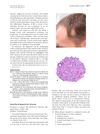
The man has Temporal Triangular Alopecia, a stable, non-scarring hair loss condition best treated with hair transplantation.