 117 citations
,
May 2017 in “Human Reproduction Update”
117 citations
,
May 2017 in “Human Reproduction Update” The update highlights that non-classic congenital adrenal hyperplasia is common in women with excess male hormones, requires specific hormone tests for diagnosis, and has various treatment options depending on age and symptoms.
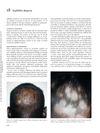 April 2012 in “Informa Healthcare eBooks”
 Syphilitic alopecia is a rare hair loss condition in secondary syphilis that looks similar to another condition but can be diagnosed with specific tests and responds to antibiotics.
 1 citations
,
September 2023 in “Acta dermato-venereologica”
1 citations
,
September 2023 in “Acta dermato-venereologica” Certain genetic variants are linked to frontal fibrosing alopecia in Spanish patients.

Diagnosing and managing monilethrix is harder when it occurs with other hair loss conditions.

Diagnosing and managing monilethrix is harder when it occurs with other hair loss conditions.
 11 citations
,
April 2019 in “Bioscience Reports”
11 citations
,
April 2019 in “Bioscience Reports” Certain genetic variations in the RAB5B gene are linked to a higher risk of polycystic ovary syndrome in Chinese Han women.
32 citations
,
August 2016 in “Science Signaling” Alopecia areata patients show unique protein activity patterns, suggesting imbalanced signaling pathways.
11 citations
,
July 2010 in “European Journal of Dermatology” The condition is linked to chromosome 12, but no mutations were found in the known genes.
 7 citations
,
May 2019 in “European Journal of Human Genetics”
7 citations
,
May 2019 in “European Journal of Human Genetics” BMP4-related anomalies can cause a wide range of eye, brain, and hand/foot problems, and new cases show this variability.
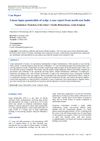 April 2021 in “International Journal of Research in Dermatology”
 A child with a rare scalp condition regrew hair after treatment.
6 citations
,
April 2023 in “Current Issues in Molecular Biology” A specific gene variant may increase the risk of developing Alopecia Areata.
 October 2007 in “Clinical Biochemistry”
 New genotype linked to non-classical congenital adrenal hyperplasia found in Italian siblings.
 3 citations
,
January 2018 in “Dermatology”
3 citations
,
January 2018 in “Dermatology” Scalp biopsies help tell apart androgenetic alopecia and alopecia areata.
54 citations
,
June 2001 in “The Indian Journal of Pediatrics” Lower hair zinc levels may be linked to Neural Tube Defects.
 February 2021 in “Indonesian Journal of Perinatology”
 Most pregnancies with SLE resulted in intrauterine growth restriction (IUGR).
8 citations
,
June 1981 in “Clinica Chimica Acta”  April 2025 in “Current Rheumatology Reviews”
 Recognizing unusual symptoms can lead to early diagnosis and effective treatment of systemic lupus erythematosus.
22 citations
,
February 2000 in “Journal of the American Academy of Dermatology” Eosinophils are not a reliable marker for diagnosing alopecia areata.
30 citations
,
January 2013 in “Human Mutation” A mutation in the HOXC13 gene causes hair and nail problems in a Syrian family.
10 citations
,
June 2019 in “Transplant infectious disease” The virus linked to a rare disease was found in a patient's blood and urine before skin symptoms appeared.
July 2024 in “Journal of Investigative Dermatology” CD8+ T cells attack hair follicle stem cells, causing scarring and hair loss in Discoid Lupus.
68 citations
,
August 2009 in “American Journal of Medical Genetics Part A” A new classification for trichothiodystrophy helps identify genetic causes and potential treatments.
1 citations
,
June 2025 in “Journal of Drugs in Dermatology” Better documentation of alopecia areata in Black individuals is needed to improve diagnosis.
 13 citations
,
March 2002 in “Pediatric Dermatology”
13 citations
,
March 2002 in “Pediatric Dermatology” A child was initially wrongly diagnosed with a fungal scalp infection but actually had a non-scarring hair loss condition called Temporal Triangular Alopecia.
 2 citations
,
June 2016 in “International Journal of Medical Research and Review”
2 citations
,
June 2016 in “International Journal of Medical Research and Review” Newborn skin conditions like Epstein pearls and Mongolian spots are common and influenced by race, environment, and hormones.
June 2026 in “Reproductive Biology” 38 citations
,
September 1997 in “The journal of investigative dermatology/Journal of investigative dermatology” A mutation in mice causes hair loss and skin issues due to a defect in a gene affecting cell adhesion.
2 citations
,
September 2023 in “Journal of the European Academy of Dermatology and Venereology” Trichoscopy is a useful tool for diagnosing different types of female hair loss without needing a biopsy.
22 citations
,
March 2017 in “Transplant Infectious Disease” Leflunomide successfully treated a rare skin condition in a liver transplant patient.
17 citations
,
December 1994 in “International Journal of Dermatology” Recognizing both trichostasis spinulosa and eruptive vellus hair cysts together is crucial for accurate diagnosis and treatment.