1 citations
,
August 2010 in “Optometry and Vision Science” A 4-year-old boy's vision and hair loss were likely caused by inflammation.
 7 citations
,
August 2013 in “Journal of the European Academy of Dermatology and Venereology”
7 citations
,
August 2013 in “Journal of the European Academy of Dermatology and Venereology” Less than a quarter of alopecia areata cases were unusual forms or had paradoxical regrowth.
13 citations
,
August 2017 in “Journal of Cellular Physiology” PD‐L1 and PD‐L2 may not effectively control immune activation in alopecia areata.
 December 2022 in “Rossijskij žurnal kožnyh i veneričeskih boleznej”
 New treatments for child hair loss due to immune issues are effective but not yet officially approved.
 2 citations
,
July 2022 in “Dermatology Reports”
2 citations
,
July 2022 in “Dermatology Reports” EPDS and MS might share an immune-related cause.
4 citations
,
July 2013 in “The Journal of Dermatology” A rare skin condition caused scarring hair loss on the scalp.
35 citations
,
August 2009 in “Journal of the American Academy of Dermatology” Melanocytes might be targeted by the immune system in people with alopecia areata, but more research is needed.
1 citations
,
September 2014 in “Turkish Journal of Dermatology” Alopecia areata severity in children is linked to atopy history, disease duration, and nail involvement, but not anemia.
 December 2023 in “The Sri Lanka Journal of Dermatology”
 A 12-year-old girl's hair loss was linked to a rare genetic condition called ALX4-related frontonasal dysplasia.
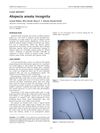 December 2007 in “CRC Press eBooks”
 Alopecia areata incognita causes widespread hair loss without patches and needs a scalp biopsy for diagnosis.
 122 citations
,
November 1984 in “Journal of the American Academy of Dermatology”
122 citations
,
November 1984 in “Journal of the American Academy of Dermatology” No single treatment is consistently effective for alopecia areata, and more research is needed.
 1 citations
,
May 2015 in “Journal of The American Academy of Dermatology”
1 citations
,
May 2015 in “Journal of The American Academy of Dermatology” Oral clindamycin and rifampicin are the most effective treatments for Folliculitis decalvans.
July 2012 in “International Journal of Trichology” Hair disorders are complex and varied, with diverse treatments available.
11 citations
,
January 2009 in “Indian journal of dermatology, venereology, and leprology” DCPA is a chronic skin condition affecting the lower limbs, mainly in men, with unclear causes and treatments that often don't work well.
 March 2021 in “CRC Press eBooks”
 Trichoscopy helps tell apart Lichen planopilaris and Frontal fibrosing alopecia from other hair loss conditions.
39 citations
,
February 2005 in “Anais Brasileiros de Dermatologia” Alopecia areata is an autoimmune disease with genetic roots, and treatments include specific topical therapies.
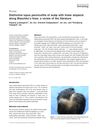 19 citations
,
August 2018 in “International Journal of Dermatology”
19 citations
,
August 2018 in “International Journal of Dermatology” Lupus panniculitis of the scalp causes linear hair loss and needs ongoing treatment to prevent recurrence and lupus.
9 citations
,
February 2013 in “Dermatologic clinics” Some new treatments for children's skin conditions are effective, but risks must be weighed.
 49 citations
,
November 1992 in “Archives of dermatology”
49 citations
,
November 1992 in “Archives of dermatology” Different treatments for alopecia areata have varying success rates and side effects; intralesional steroids are most effective.
January 2016 in “Indian Journal of Paediatric Dermatology” The treatment is effective and safe for severe alopecia areata in children, but not for total or universal hair loss.
 October 2023 in “Dermatologie pro praxi”
 Alopecia areata causes hair loss and has various treatment options, but responses differ.
 7 citations
,
May 1978 in “International Journal of Dermatology”
7 citations
,
May 1978 in “International Journal of Dermatology” Recent hair loss research shows some progress, especially in understanding male pattern baldness, but effective treatments for many types of hair loss are still lacking.
4 citations
,
February 2025 in “Journal of Autoimmunity” Alopecia Areata often runs in families and is linked to other autoimmune conditions.
1 citations
,
January 2021 in “Skin appendage disorders” Alopecia areata in children is usually mild and effectively treated with strong topical steroids.
 September 2025 in “Scientific periodicals of Ukraine”
 Early diagnosis and treatment stopped hair loss and improved the condition.
September 2016 in “European Journal of Pediatric Dermatology/PD. European journal of pediatric dermatology” Ulerythema ophryogenes causes hair thinning and inflammation, with limited treatment options.
10 citations
,
July 2000 in “PubMed” High calcium in their diet caused zinc deficiency in the goats.
 8 citations
,
September 2015 in “Clinics in Dermatology”
8 citations
,
September 2015 in “Clinics in Dermatology” Hair loss in children is diagnosed and treated differently than in adults, with different common causes and a focus on less invasive methods.
15 citations
,
March 2008 in “The Journal of Dermatology” Topical squaric acid dibutylester worsened discoid lupus erythematosus in a patient.