October 2001 in “Science news” Understanding hair growth and loss is complex, involving genetic and molecular factors.
 September 1984 in “Journal of Biological Education”
 Human hair growth involves active, resting, and intermediate phases, and examining plucked hairs can teach students about hair biology and diseases.
90 citations
,
January 2002 in “Dermatology” Kenogen is a resting phase in hair follicles that may contribute to baldness, especially in androgenetic alopecia.
 38 citations
,
October 1988 in “Clinics in Dermatology”
38 citations
,
October 1988 in “Clinics in Dermatology” Hormones, nutrition, and seasonal changes regulate hair growth cycles, with androgens extending growth phases and factors like aging and malnutrition affecting hair loss and thinning.
 130 citations
,
January 1994 in “Differentiation”
130 citations
,
January 1994 in “Differentiation” Mouse hair follicle cells briefly grow during the early hair growth phase, showing that these cells are important for starting the hair cycle.
 107 citations
,
September 2002 in “Journal of Investigative Dermatology”
107 citations
,
September 2002 in “Journal of Investigative Dermatology” Researchers found that hair shedding happens mostly when new hair is growing and involves a unique process.
research Hair
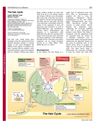
January 1983 in “Elsevier eBooks” Hair grows from living roots, is made of dead keratin, and goes through growth, rest, and shedding stages.
 375 citations
,
February 2006 in “Journal of Cell Science”
375 citations
,
February 2006 in “Journal of Cell Science” The document concludes that the hair cycle is a complex process involving growth, regression, and rest phases, regulated by various molecular signals.
 103 citations
,
January 2006 in “Journal of Cell Science”
103 citations
,
January 2006 in “Journal of Cell Science” The document concludes that the hair cycle is a complex process involving growth, regression, and rest phases, regulated by various molecular signals.
 35 citations
,
March 2007 in “Skin Research and Technology”
35 citations
,
March 2007 in “Skin Research and Technology” The conclusion is that exogen is a unique hair cycle phase and the new sampling method specifically targets this stage, which may help in future hair loss research.
 521 citations
,
January 1954 in “Physiological Reviews”
521 citations
,
January 1954 in “Physiological Reviews” Hair growth is cyclic and influenced mainly by local factors.
1 citations
,
December 2023 Hair grows in cycles and changes with age, starting from fetal development.
January 2007 in “Durham e-Theses (Durham University)” Hair growth and shedding involve specific cell changes and gene roles.
6 citations
,
January 1994 in “PubMed” The molecular mechanisms controlling hair growth phases are not fully understood yet.
 49 citations
,
July 2019 in “British Journal of Dermatology”
49 citations
,
July 2019 in “British Journal of Dermatology” Wnt signaling is important for the change from the resting phase to the growth phase in human hair cycles.
20 citations
,
January 1995 in “Cells tissues organs” Changing light periods synchronized wool growth cycles in sheep.
May 2022 in “British Journal of Dermatology” The girl's hair condition improved on its own in 24 months.
 236 citations
,
January 1951 in “Physiological zoology”
236 citations
,
January 1951 in “Physiological zoology” Hair growth and pigmentation in mice involve specific stages crucial for research.
 December 2020 in “International journal of research in ayurveda and pharmacy”
 Eating well and avoiding synthetic hair products are key for healthy hair.
 February 2010 in “Journal of The American Academy of Dermatology”
 Mimicking growth factors in a topical solution can prolong hair growth phase and reduce hair loss without side effects.
 January 2018 in “Springer eBooks”
 Telogen effluvium is hair loss caused by disruption of the normal hair cycle.
4 citations
,
January 2014 in “PubMed” Hair growth is controlled by cycles influenced by hormones and various signals.
 7 citations
,
January 1981 in “Springer eBooks”
7 citations
,
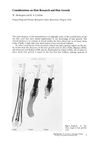
January 1981 in “Springer eBooks” The document concludes that hair biology is complex and there are still unanswered questions about hair loss and follicle changes.
56 citations
,
January 1970 in “Cell and Tissue Research” 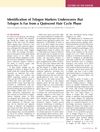 21 citations
,
November 2011 in “The journal of investigative dermatology/Journal of investigative dermatology”
21 citations
,
November 2011 in “The journal of investigative dermatology/Journal of investigative dermatology” Telogen is an active phase with important biological processes, not a resting phase.
 May 2009 in “Hair transplant forum international”
 Androgens affect hair growth and shedding, with genetic and non-genetic factors influencing baldness.
August 2013 in “International Wound Journal” Non-hairy skin cells might be used to regenerate hair, helping with baldness and skin wounds.
 3 citations
,
January 1994 in “Journal of Society of Cosmetic Chemists of Japan”
3 citations
,
January 1994 in “Journal of Society of Cosmetic Chemists of Japan” Hair grows slower and thinner with age, but a test tonic improved growth in alopecia subjects.
16 citations
,
January 1998 in “Dermatology” Androgens may worsen a natural hair resting phase, possibly leading to hair loss.
 November 1995 in “Journal of Pediatric Health Care”
 Most hair loss in kids and teens is due to common conditions, and hair usually grows back within 6 months.