7 citations
,
February 2012 in “Journal of cutaneous pathology” The document describes previously unreported unique skin changes in a rare genetic disorder called Hereditary mucoepithelial dysplasia.
 6 citations
,
February 1974 in “The BMJ”
6 citations
,
February 1974 in “The BMJ” The document concludes that scalp disorders can be treated with hair washing, specific shampoos, medications, and sometimes surgery or hair transplants, but hereditary baldness is untreatable.
 5 citations
,
March 2004 in “Journal of The American Academy of Dermatology”
5 citations
,
March 2004 in “Journal of The American Academy of Dermatology” Patients with systemic lupus erythematosus and hair loss had non-scarring alopecia with fewer hair follicles, and direct immunofluorescence did not help identify lupus.
4 citations
,
January 2022 in “Actas Dermo-Sifiliográficas” Increased tinea capitis cases in Northwestern Spain may be linked to African immigration.
 3 citations
,
July 2021 in “Aesthetic Plastic Surgery”
3 citations
,
July 2021 in “Aesthetic Plastic Surgery” PHAT may improve hair growth better than PRP alone.
2 citations
,
June 2017 in “Journal of Evidence Based Medicine and Healthcare” Skin and mucous symptoms are key for diagnosing autoimmune connective tissue diseases.
 2 citations
,
December 2012 in “Acta Facultatis Medicae Naissensis”
2 citations
,
December 2012 in “Acta Facultatis Medicae Naissensis” A man with HIV had hair loss due to syphilis, which improved after penicillin treatment.
1 citations
,
July 2020 in “Qanun Medika - Medical Journal Faculty of Medicine Muhammadiyah Surabaya” Timely treatment with antibiotics and antiretrovirals can significantly improve health in HIV patients with syphilis.
 1 citations
,
January 2019 in “Skin appendage disorders”
1 citations
,
January 2019 in “Skin appendage disorders” A woman's sudden hair loss three years after a bone marrow transplant was a sign of chronic graft-versus-host disease but improved with treatment.
 1 citations
,
April 2018 in “Journal of Investigative Dermatology”
1 citations
,
April 2018 in “Journal of Investigative Dermatology” Fzd2 is important for skin and hair development through various signaling ways.
 1 citations
,
June 2014 in “Serbian Journal of Dermatology and Venereology”
1 citations
,
June 2014 in “Serbian Journal of Dermatology and Venereology” A woman with discoid lupus improved with treatment after being misdiagnosed with a different hair loss condition.

Telogen effluvium causes temporary hair loss, especially in women.

Polyphenolic compounds may help hair growth but aren't better than minoxidil.

Polyphenolic compounds may help hair growth but need more research.

Polyphenolic compounds may help improve hair growth in non-scarring alopecia.
 March 2026 in “SKIN The Journal of Cutaneous Medicine”
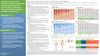
 All parts of the CLASI-A score are important for assessing skin activity in cutaneous lupus erythematosus.
 October 2025 in “Indian Dermatology Online Journal”
 Cultural practices can influence trichotillomania, requiring culturally sensitive treatment.

Nicolaides-Baraitser syndrome may cause eczema and hair loss, needing early skin care and treatment.
A KRT32 gene variant causes loose anagen hair syndrome.
 November 2024 in “IP Indian Journal of Clinical and Experimental Dermatology”
 Graves' disease often causes skin issues, especially hyperpigmentation, which may be linked to treatments.
April 2024 in “Brazilian Journal of Health Review” COVID-19 may trigger hair loss in some people.
 September 2023 in “medRxiv (Cold Spring Harbor Laboratory)”
 Long-COVID has diverse, long-term health impacts, especially in young people.
May 2023 in “Journal of Cosmetic and Laser Therapy” Using multiple treatments together works better for female hair loss than using one treatment alone.
 January 2023 in “Skin appendage disorders”
 Two Hispanic women developed Plica neuropathica, a condition causing tangled hair, possibly due to hair damage and various risk factors.
 October 2022 in “Pediatric Dermatology”
 Most children with rapid hair loss had a known cause, with stress and illness being top triggers, and treatments showed similar improvement.

Early identification of lupus through skin signs and blood tests is crucial in India.
 April 2022 in “Cermin Dunia Kedokteran”
 Accurate diagnosis and understanding of alopecia areata in children are crucial for proper treatment.
 May 2021 in “Journal of the American College of Cardiology”
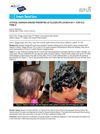
 An 11-year-old girl with Kawasaki disease experienced hair loss that improved after treatment.
A 14-year-old girl with Loose Anagen Hair Syndrome was successfully treated with oral Minoxidil and a Silicon supplement.
Loose anagen syndrome causes easy hair shedding in children, often resolving on its own.