 April 2022 in “Indexia revista médico - científica”
 Alopecia causes sudden hair loss, possibly due to genetic, environmental, or immune factors.
 October 2024 in “Revista Electronica de Veterinaria”
 Siddha medicine can effectively treat Alopecia areata, leading to significant hair regrowth.
 31 citations
,
October 2013 in “Psychosomatics”
31 citations
,
October 2013 in “Psychosomatics” Psychotropic medications can cause skin reactions, including severe conditions like SJS and TEN, and it's important for psychiatrists to recognize and manage these side effects.
 12 citations
,
October 1995 in “The Journal of Clinical Endocrinology & Metabolism”
12 citations
,
October 1995 in “The Journal of Clinical Endocrinology & Metabolism” Skin changes can indicate hormonal imbalances and help diagnose endocrine disorders.
 January 2026 in “Dermatology Review”
 Celiac disease can cause skin issues, and a gluten-free diet can help improve them.
 97 citations
,
July 2006 in “Dermatologic therapy”
97 citations
,
July 2006 in “Dermatologic therapy” The document concludes that accurate diagnosis and personalized treatment are important for skin problems in women with PCOS.
 4 citations
,
January 1987 in “Annual reports in medicinal chemistry”
4 citations
,
January 1987 in “Annual reports in medicinal chemistry” New treatments for skin diseases are more effective and patient-friendly, but many still lack a cure.
December 2025 in “Cosmetics” Gut bacteria differences could help diagnose and treat alopecia areata.
May 2018 in “Journal of advanced research in medicine” The document's conclusion cannot be provided because the document is not accessible or understandable.
 February 2024 in “Biomedicines”
 Hormones like androgens, estrogen, thyroid hormones, and stress hormones can contribute to hair loss, and treatments target these hormonal imbalances.
 14 citations
,
January 2020 in “Mediterranean Journal of Rheumatology”
14 citations
,
January 2020 in “Mediterranean Journal of Rheumatology” New JAK inhibitor drugs show promise for treating skin diseases but need more research on safety and effectiveness.
January 2022 in “Figshare” Activated PRP is unnecessary for treating alopecia areata; both activated and non-activated PRP are equally effective and safe.
 July 2025 in “Clinical Cosmetic and Investigational Dermatology”
 PRP therapy effectively improves hair density and reduces hair loss in androgenetic alopecia.
 1 citations
,
November 2025 in “Clinical and Experimental Medicine”
1 citations
,
November 2025 in “Clinical and Experimental Medicine” lncRNAs are important for understanding and treating skin diseases.
Combining psychodermatology and PRP therapy can improve skin condition treatment by addressing both mental and physical health.
 10 citations
,
January 2016 in “Global Dermatology”
10 citations
,
January 2016 in “Global Dermatology” Zinc helps manage skin disorders and deficiencies can worsen some conditions.
 3 citations
,
January 2019 in “Journal of Dermatology”
3 citations
,
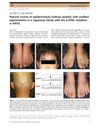
January 2019 in “Journal of Dermatology” The p.P25L mutation in the KRT5 gene causes a rare skin condition that worsens over time and may lead to hair loss starting in young adulthood.
December 2020 in “Journal of Face Aesthetics” Trichoscopy effectively helps diagnose different types of hair loss in women.
 September 2025 in “PubMed”
 Prevent persistent hair loss after chemotherapy with scalp cooling and early minoxidil use.
 November 2023 in “International journal of biology, pharmacy and allied sciences”
 Herbal treatments can help with hair problems, but more research is needed.
10 citations
,
February 2023 in “Archives of Dermatological Research” Alopecia areata is more common in Black and Hispanic people but less diagnosed in those with lower socioeconomic status.
1 citations
,
January 2020 in “Skin Appendage Disorders” Treatment with methotrexate and prednisolone led to complete hair regrowth and no relapse for 2 years.
 February 2024 in “Actas dermo-sifiliográficas/Actas dermo-sifiliográficas”
 Most alopecia areata patients in the study were women, aged 15-49, with patchy hair loss and often had other health conditions.
 January 2024 in “Skin Research and Technology”
 Oral tofacitinib may be an effective future treatment for children with severe alopecia areata, but more research is needed.
 June 2017 in “Journal of evolution of medical and dental sciences”
 Most lupus patients in coastal Kerala had skin-specific lesions that could help diagnose the disease, and non-specific skin issues were linked to more severe, systemic lupus.
 December 2016 in “Journal of evolution of medical and dental sciences”
 Skin problems are common in thyroid disorders, with dry skin in hypothyroidism and warm, soft skin in hyperthyroidism.
32 citations
,
August 2016 in “Journal of the American Academy of Dermatology” Temporal triangular alopecia is a non-scarring hair loss in children, often linked to other health conditions.
 1 citations
,
November 2021 in “Advances in Dermatology and Allergology”
1 citations
,
November 2021 in “Advances in Dermatology and Allergology” Most patients with cutaneous lupus erythematosus in Bangladesh are young women, with chronic forms and photosensitivity being common.
1 citations
,
January 2016 in “Dermatology Online Journal” Triangular temporal alopecia can occur in adults and should be correctly identified to prevent misdiagnosis.
 January 2013 in “Revista brasileira de medicina”
 The study concluded that hair loss treatments should be tailored to the specific type of alopecia and individual patient needs.