 7 citations
,
September 2020 in “Journal of Cosmetic Dermatology”
7 citations
,
September 2020 in “Journal of Cosmetic Dermatology” Minoxidil and Finasteride are the most popular hair loss treatments, with rising interest in other options, and economic or health crises can change what treatments people prefer.

Advancements in diagnostics, treatments, and technology have improved hair loss detection and restoration, with some types being reversible.
 August 2024 in “Journal of Aesthetic Nursing”
 New non-surgical treatments for hair loss show promising results with fewer side effects.

Certain combination therapies, like microneedling with minoxidil, are more effective for female-pattern hair loss than other treatments.
January 2026 in “Aging and Disease” DKK proteins could help diagnose and treat various non-cancerous diseases.
 October 2025 in “CRC Press eBooks”
 Non-surgical treatments for hair loss are becoming more advanced and personalized.
PRP therapy shows promise for hair growth but needs more research for best results.
 14 citations
,
August 2013 in “Facial Plastic Surgery Clinics of North America”
14 citations
,
August 2013 in “Facial Plastic Surgery Clinics of North America” Some nonsurgical hair loss treatments are effective, especially if started early.
 April 2026 in “International Journal of Drug Delivery Technology”
 Alopecia can often be managed effectively with various treatments, but early diagnosis is crucial for preventing permanent hair loss.
 August 2014 in “Annals of Plastic Surgery”
 The book is a detailed guide on hair restoration, useful for both new and experienced surgeons.
 March 2025 in “Cosmetics”
 Combining treatments works best for early hair loss, while transplants are best for severe cases.
 March 2026 in “Preprints.org”
 Platelet-rich plasma, microneedling with minoxidil, and topical finasteride are promising treatments for hair loss.
 January 2026 in “Zenodo (CERN European Organization for Nuclear Research)”
 Effective hair restoration requires long-term planning, scalp health, and a combination of treatments for sustainable results.
 2 citations
,
April 2017 in “Plastic and Aesthetic Nursing”
2 citations
,
April 2017 in “Plastic and Aesthetic Nursing” Platelet-rich plasma therapy shows promise for hair regrowth in alopecia patients.
 September 2022 in “Aesthetic Surgery Journal”
 Plastic surgeons can offer various nonsurgical hair restoration treatments like minoxidil, PRP, and light treatments, but they don't give permanent results and need to be repeated. It's crucial to educate patients and manage their expectations. Hair loss in women often involves other health issues like thyroid disease.
 15 citations
,
October 2012 in “InTech eBooks”
15 citations
,
October 2012 in “InTech eBooks” Niosomes are a promising and effective way to deliver drugs through the skin.
 May 2013 in “Trends in Urology & Men's Health”
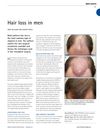
 Male-pattern hair loss is normal, often involves hormone effects on hair follicles, and can be treated with medication or surgery, but new treatments are being researched.
24 citations
,
August 2021 in “Scientific Reports” Non-thermal plasma could help hair growth by activating key cell signals.
 January 2025 in “Annals of Dermatology”
 New treatments for hair loss include low-dose oral minoxidil, light therapy, and innovative therapies targeting hair growth mechanisms.
 June 2024 in “Дерматовенерология Косметология”
 Autologous follicular stem cells improved hair loss in 57% of patients.
July 2026 in “International Journal of Drug Delivery Technology” Combining PRP with LLLT works best for hair loss.
 April 2005 in “Dermatologic Clinics”
 The document summarizes recent dermatological treatments and advances in areas like pediatric care, wound healing, skin closure, light-based therapies, pigment disorders, hair loss, immunotherapy, infection management, melanoma, drug reactions, and facial rejuvenation.
1 citations
,
January 2016 PRP is a promising non-surgical option for skin and hair rejuvenation.
 15 citations
,
October 2017 in “Dermatologic Clinics”
15 citations
,
October 2017 in “Dermatologic Clinics” New treatments for male hair loss show promise but need more research for safety and effectiveness.
 66 citations
,
June 2018 in “International Journal of Women's Dermatology”
66 citations
,
June 2018 in “International Journal of Women's Dermatology” No cure for female pattern hair loss, but various effective treatments exist.
 November 2019 in “Journal of Aesthetic Nursing”
 The article concludes that a thorough diagnosis and treatment plan, including medications, non-invasive methods, or surgery, is important for managing hair loss, with a combination of minoxidil and finasteride being particularly effective.
 August 2025 in “Plastic and Aesthetic Research”
 Microneedling can effectively treat hair loss and works well with other treatments, but more research is needed.
 January 2024 in “Journal of Cosmetics Dermatological Sciences and Applications”
 Females with pattern hair loss have more occipital involvement than males.
 April 2019 in “Advances in Cosmetic Surgery”
 The document concludes that ongoing medical therapy is crucial for preventing hair loss, and surgical options can restore hair, with future treatments for hair loss being promising.
March 2023 in “Anais Brasileiros De Dermatologia” Topical minoxidil is the best-supported treatment for female hair loss, but personalized plans are needed.