 76 citations
,
June 2018 in “EMBO Reports”
76 citations
,
June 2018 in “EMBO Reports” YAP and TAZ proteins are necessary for the development of two types of skin cancer.
1 citations
,
July 2024 in “Journal of Investigative Dermatology” Immune cells boost stem cell activity in hairy moles, causing more hair growth.
 May 2026 in “Nursing Reports”
 Slovak breast cancer survivors have moderate quality of life, with emotional and cognitive strengths but social and physical challenges, needing targeted support.
2 citations
,
January 2014 in “Case Reports in Clinical Medicine” Cronkhite-Canada syndrome is a rare condition causing gut polyps, hair loss, skin changes, and nail issues, often with a poor outlook.
87 citations
,
January 1999 in “British Journal of Dermatology” Trichoblastic fibroma and basal cell carcinoma are similar but different from trichoepithelioma.
 4 citations
,
September 2010 in “Journal of Dermatological Science”
4 citations
,
September 2010 in “Journal of Dermatological Science” A new gene location for Keratosis follicularis squamosa was found on chromosome 7p14.3-7p12.1.
16 citations
,
May 2011 in “The Journal of clinical investigation/The journal of clinical investigation” Some skin tumors may start from hair follicle stem cells.
1 citations
,
July 2025 in “Cancer Medicine” Colorectal cancer cells can adapt without losing their traits or drug sensitivity.
April 2010 in “Cancer Research” Mcl-1 can activate Wnt signaling in skin cells, promoting growth and possibly cancer.
 April 2017 in “Journal of Investigative Dermatology”
 Researchers improved a method to study individual cells in newborn mouse skin and found a way to assess the severity of a skin condition in humans.
Basal cell carcinoma behaves like hair follicles and targeting specific pathways may help treat it.
 14 citations
,
December 2010 in “Seminars in Oncology”
14 citations
,
December 2010 in “Seminars in Oncology” Rare adrenal cancers that secrete androgens or estrogens have a poor prognosis and are treated primarily with surgery.
 June 2023 in “British journal of dermatology/British journal of dermatology, Supplement”
 A girl with Becker naevus syndrome has a genetic variant in the ACTB gene related to her symptoms.
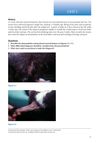 May 2019 in “Small Animal Dermatology”
 The cat had a rare condition linked to cancer, leading to its euthanasia.
32 citations
,
March 2018 in “Neoplasia” Nephronectin is linked to worse breast cancer outcomes and helps cancer spread.
 28 citations
,
August 2015 in “Journal of functional biomaterials”
28 citations
,
August 2015 in “Journal of functional biomaterials” Cell-based therapies show promise for treating Limbal Stem Cell Deficiency but need more research.
1 citations
,
April 2024 in “Clinical Medicine” Timely diagnosis and aggressive treatment with high-dose steroids and B-cell depletion therapies are effective for severe acute cutaneous lupus.
 28 citations
,
July 2017 in “Expert Review of Anticancer Therapy”
28 citations
,
July 2017 in “Expert Review of Anticancer Therapy” Breast cancer patients taking CDK4/6 inhibitors are more likely to experience fatigue, hair loss, and mouth sores.
November 2024 in “Journal of Investigative Dermatology” Blocking the JAK/STAT pathway may help reduce skin sensitivity in Xeroderma pigmentosum.
18 citations
,
February 2001 in “Der Hautarzt” A woman with myotonic dystrophy had multiple skin tumors on her scalp, suggesting a genetic link.
43 citations
,
March 2017 in “Drug Design Development and Therapy” The new nanoparticles could improve melanoma treatment by working better than current options.
November 2009 in “Oncology Times” New standards were created to make chemotherapy safer and improve cancer care.
 October 2016 in “Veterinary record case reports”
 A cat had a rare skin disorder with hair loss and scaling, linked to a suspected tumor.
2 citations
,
September 2017 in “Journal of Investigative Dermatology” Notch1 signaling is impaired in hidradenitis suppurativa, affecting skin and hair cells.
 16 citations
,
January 2017 in “Archives of Medical Science”
16 citations
,
January 2017 in “Archives of Medical Science” Sorafenib after liver surgery may increase survival for some liver cancer patients.
2 citations
,
September 2021 in “JAAD case reports” A man with a weakened immune system was diagnosed with a rare skin condition called trichodysplasia spinulosa using skin examination techniques.
2 citations
,
July 2024 in “International Journal of Molecular Sciences” More research is needed to understand how adipose-derived stem cells affect liver cancer treatment.
 32 citations
,
January 2017 in “Orphanet journal of rare diseases”
32 citations
,
January 2017 in “Orphanet journal of rare diseases” FOXN1 gene mutations cause a rare, severe immune disease treatable with cell or tissue transplants.
 January 2024 in “Wiadomości Lekarskie”
 CAR-T therapy offers hope for children with hard-to-treat blood cancers.
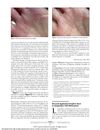 9 citations
,
May 2013 in “JAMA Dermatology”
9 citations
,
May 2013 in “JAMA Dermatology” Sunlight exposure improved a patient's skin condition, and there may be a link between a certain disease and skin growths; a leukemia treatment caused changes in hair color and growth.