Accurate diagnosis and timely, tailored treatments improve outcomes in obstetrics and gynecology.
 November 2013 in “John Wiley & Sons, Ltd eBooks”
 Skin symptoms can indicate endocrine disorders and have various treatments.
There is no cure for myotonic dystrophy type 1, so treatment focuses on managing symptoms and complications.
 June 2019 in “Brain Imaging and Behavior”
 Hair loss can indicate brain aging and potential small vessel disease, but more research is needed to understand the clinical impact.
 48 citations
,
February 2025 in “Nano-Micro Letters”
48 citations
,
February 2025 in “Nano-Micro Letters” Microneedles offer a promising, painless way to treat skin diseases but need improvements for better use.
 11 citations
,
March 2020 in “American Journal of Medical Genetics Part A”
11 citations
,
March 2020 in “American Journal of Medical Genetics Part A” A mutation in the EDNRA gene causes Oro-Oto-Cardiac syndrome, affecting face and heart development.
 1 citations
,
October 2024 in “Journal of Clinical Immunology”
1 citations
,
October 2024 in “Journal of Clinical Immunology” Vaccines work well in Netherton syndrome patients, similar to healthy people.
 June 2025 in “Journal of General-Procedural Dermatology & Venereology Indonesia”
 Serial excision effectively removed a large scalp lesion with minimal scarring and no hair loss.
January 2025 in “Indian Journal of Dermatopathology and Diagnostic Dermatology” Nevus sebaceous is identified by unique skin changes, including thickened skin, fewer hair follicles, and many sebaceous glands.
 April 2026 in “Scientific Reports”
 MSF-VMDNet accurately segments skin cancer images better than existing methods.
 January 2024 in “JAAD case reports”
 Netherton syndrome can cause severe and chronic vulvovaginal symptoms that may improve with continuous oral contraceptives.
July 2024 in “Journal of Investigative Dermatology” A KLK5 inhibitor effectively improved skin symptoms in a mouse model of Netherton Syndrome.
Early genetic testing and new therapies like secukinumab are crucial for managing Netherton syndrome effectively.
 February 2010 in “Journal of The American Academy of Dermatology”
 NB-002 is a promising new topical treatment for fungal nail infections, showing better results than a non-medicated option.
1 citations
,
April 2024 in “Animal Genetics” A genetic defect in an Appenzeller Mountain Dog caused skin issues, improved with ketoconazole, showing the importance of advanced genetic testing.
 3 citations
,
January 2020 in “Acta Dermato Venereologica”
3 citations
,
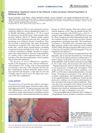
January 2020 in “Acta Dermato Venereologica” Netherton Syndrome can cause severe skin lesions in rare cases.
36 citations
,
July 2022 in “Stem Cell Research & Therapy” SVF may improve nanofat treatment for acne scars, but more research is needed.
 March 2026 in “Scientific Journal”
 Early recognition and evaluation of nevus sebaceus are crucial to detect and manage potential cancerous changes.
July 2024 in “Journal of Investigative Dermatology” DS-2325a is safe and well-tolerated, supporting further development for Netherton Syndrome treatment.
 8 citations
,
May 2022 in “International journal of nanomedicine”
8 citations
,
May 2022 in “International journal of nanomedicine” Lecithin-encapsulated resveratrol nanoparticles could be a safe and effective anti-cancer treatment.
3 citations
,
January 2025 in “Biomaterials Science” Blue light-enhanced nanovesicles from stem cells improve skin and hair cell function, offering a safer treatment for skin and hair disorders.
 January 2025 in “Clinical Dermatology Review”
 Trichoscopy helps accurately diagnose Netherton syndrome, often mistaken for atopic dermatitis.
September 2016 in “Journal of Dermatological Science” Polarizing light microscopy can easily and reliably diagnose congenital keratinizing disorders like Netherton syndrome.
 January 2022 in “Elsevier eBooks”
 Nanospanlastics are effective in targeted drug delivery for chronic diseases, improving skin conditions, treating hair loss, and increasing drug absorption.
4 citations
,
February 2023 in “Frontiers in Oncology” Nano-Pulse Stimulation™ Therapy is more effective and less damaging than cryoablation for treating melanoma tumors in mice.
January 2026 in “Case Reports in Dermatological Medicine” Intralesional steroids effectively treated a young female's scalp nodules without recurrence.
IVIG and dupilumab effectively improved symptoms in a child with Netherton syndrome.
March 2022 in “Clinical Cosmetic and Investigational Dermatology” CDKN2AIP gene is less active in nevus sebaceous, affecting related RNA networks.
November 2019 in “Harper's Textbook of Pediatric Dermatology” Netherton syndrome is a genetic skin disorder causing severe skin issues and requires careful treatment to protect the skin barrier.
Nicolaides-Baraitser syndrome may cause eczema and hair loss, needing early skin care and treatment.