 56 citations
,
May 2017 in “Nature Cell Biology”
56 citations
,
May 2017 in “Nature Cell Biology” Hair can regrow after certain stem cells are lost because other stem cells can take over their role.
 31 citations
,
April 2016 in “Nature communications”
31 citations
,
April 2016 in “Nature communications” Certain signals are important for reducing specific chemical markers on hair follicle stem cells during rest periods, which is necessary for healthy hair growth.
 29 citations
,
December 2016 in “The EMBO Journal”
29 citations
,
December 2016 in “The EMBO Journal” Gata6 is important for protecting hair growth cells from DNA damage and keeping normal hair growth.
 27 citations
,
March 2018 in “Biomaterials”
27 citations
,
March 2018 in “Biomaterials” Three specific proteins can turn adult skin cells into hair-growing cells, suggesting a new hair loss treatment.
 22 citations
,
November 2012 in “Journal of cosmetic dermatology”
22 citations
,
November 2012 in “Journal of cosmetic dermatology” Stem cells can rejuvenate skin, restore hair, and aid in wound healing.
 4 citations
,
March 2017 in “Development”
4 citations
,
March 2017 in “Development” Estrogen is important for keeping adult mouse nipple skin healthy by controlling certain cell signals.
 1 citations
,
September 2023 in “eLife”
1 citations
,
September 2023 in “eLife” TLR2 is important for hair growth and can be targeted to treat hair loss.
 1 citations
,
August 2023 in “bioRxiv (Cold Spring Harbor Laboratory)”
1 citations
,
August 2023 in “bioRxiv (Cold Spring Harbor Laboratory)” The research created a detailed map of skin cells, showing that certain cells in basal cell carcinoma may come from hair follicles and could help the cancer grow.
 January 2024 in “Journal of Ayurveda Campus”
 Psoralea corylifolia Linn. is a medicinal plant used for skin diseases and has various health benefits.
 April 2018 in “The journal of investigative dermatology/Journal of investigative dermatology”
 miR-486 may help prevent hair loss in alopecia areata.
 April 2018 in “The journal of investigative dermatology/Journal of investigative dermatology”
 Blue light can help hair grow by affecting certain receptors in hair follicles.
 April 2017 in “Journal of Investigative Dermatology”
 SIG-1451 could be a promising new treatment for atopic dermatitis.
 131 citations
,
March 2004 in “The American journal of pathology”
131 citations
,
March 2004 in “The American journal of pathology” Modulating BMP activity changes the number, size, shape, and type of ectodermal organs.
 153 citations
,
March 2017 in “Endocrine”
153 citations
,
March 2017 in “Endocrine” Male pattern baldness involves genetics, hormones, and needs better treatments.
 1 citations
,
April 2017 in “Journal of Investigative Dermatology”
1 citations
,
April 2017 in “Journal of Investigative Dermatology” SM04554 may increase hair growth as a topical treatment for androgenetic alopecia.
 April 2017 in “Journal of Investigative Dermatology”
 SM04755 may be an effective topical treatment for psoriasis.
 11 citations
,
July 2014 in “Gene”
11 citations
,
July 2014 in “Gene” The S250C variant in a gene may cause autoimmunity and immunodeficiency by impairing protein function.
 32 citations
,
March 2021 in “Journal of endocrinological investigation”
32 citations
,
March 2021 in “Journal of endocrinological investigation” Thyroid hormones are important for skin health and changes in them can affect conditions like hair loss and eczema.
 66 citations
,
December 2013 in “Nature Cell Biology”
66 citations
,
December 2013 in “Nature Cell Biology” Inactive hair follicle stem cells help prevent skin cancer.
 December 2023 in “International Journal of Applied Pharmaceutics”
 Moringa seed oil helped hair growth in rabbits, with the highest dose being most effective.
 39 citations
,
January 2019 in “Cells”
39 citations
,
January 2019 in “Cells” Gene therapy has potential as a future treatment for Hutchinson-Gilford progeria syndrome.
 April 2021 in “Journal of Investigative Dermatology”
 The research found genes that may protect certain scalp cells from hair loss.
 76 citations
,
June 2018 in “EMBO Reports”
76 citations
,
June 2018 in “EMBO Reports” YAP and TAZ proteins are necessary for the development of two types of skin cancer.
 168 citations
,
August 2009 in “EMBO molecular medicine”
168 citations
,
August 2009 in “EMBO molecular medicine” Epidermal stem cells are diverse and vary in activity, playing key roles in skin maintenance and repair.
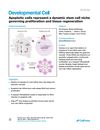 25 citations
,
June 2021 in “Developmental Cell”
25 citations
,
June 2021 in “Developmental Cell” Dying cells can help with faster healing and new hair growth by releasing a growth-promoting molecule.
 18 citations
,
October 2014 in “Experimental Biology and Medicine”
18 citations
,
October 2014 in “Experimental Biology and Medicine” Eating vitamin A affects hair growth and health by changing cell signals in mice.
 6 citations
,
November 2020 in “Molecular and Cellular Endocrinology”
6 citations
,
November 2020 in “Molecular and Cellular Endocrinology” Androgens reduce BMP2, which weakens the ability of certain cells to help hair stem cells become different types of cells.
 September 2022 in “Institutional Repositories DataBase (IRDB)”
 Adipose-derived stem cells can be transformed into hair-forming cells using specific extracellular vesicles, offering potential for hair regeneration therapies.
 September 2013 in “Experimental Dermatology”
 The document concluded that stem cells are crucial for skin repair, regeneration, and may help in developing advanced skin substitutes.
 1 citations
,
December 2025 in “Frontiers in Pharmacology”
1 citations
,
December 2025 in “Frontiers in Pharmacology” Placental extracts have antioxidant, anti-inflammatory, and immune-boosting effects, but their exact workings are unclear.