 53 citations
,
August 2019 in “American journal of human genetics”
53 citations
,
August 2019 in “American journal of human genetics” FOXN1 gene variants cause low T cells and immune issues from birth.

Dupilumab improved hair and skin in a woman with Netherton syndrome.

Dupilumab improved hair and skin in a woman with Netherton syndrome.
 July 2018 in “DOAJ (DOAJ: Directory of Open Access Journals)”
 The new gel formula could improve the delivery of a hair loss treatment through the skin and might be an alternative to taking it by mouth.
Understanding wound healing and signaling pathways could lead to new alopecia treatments.
 9 citations
,
October 2008 in “British Journal of Dermatology”
9 citations
,
October 2008 in “British Journal of Dermatology” The growth of the Epstein-Barr virus in the patient's cells was linked to the worsening of her lymphoma.
 10 citations
,
November 2018 in “Nature Biotechnology”
10 citations
,
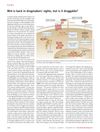
November 2018 in “Nature Biotechnology” Drugmakers are optimistic about targeting the Wnt pathway for new treatments despite past challenges.
1 citations
,
April 2010 in “Cancer Research” WYE-130600 may cause skin thickening and irritation.
 April 2017 in “Journal of Investigative Dermatology”
 A virus protein can activate a pathway that may lead to abnormal hair follicle development.
 10 citations
,
September 2018 in “Regenerative Medicine”
10 citations
,
September 2018 in “Regenerative Medicine” New hair can grow from large wounds in mice, but less so as they age, involving reprogramming of skin cells and specific molecular pathways.
58 citations
,
November 1969 in “British Journal of Dermatology” Netherton's disease causes multiple hair defects.
March 2022 in “Clinical Cosmetic and Investigational Dermatology” CDKN2AIP gene is less active in nevus sebaceous, affecting related RNA networks.
 27 citations
,
December 2005 in “Journal of Cosmetic Dermatology”
27 citations
,
December 2005 in “Journal of Cosmetic Dermatology” Niacin derivatives may increase hair fullness in women with hair loss.
September 2024 in “Clinical Case Reports” Early recognition and multidisciplinary management of Whitaker syndrome can improve patient outcomes.
 29 citations
,
January 2013 in “International Journal of Medical Sciences”
29 citations
,
January 2013 in “International Journal of Medical Sciences” Wnt10b helps hair follicle cells mature and produce pigment.
 March 2023 in “Journal of Cosmetic Dermatology”
 A genetic variant linked to hair thinning in Japanese women was found.
578 citations
,
April 1993 in “Cell” TGFα gene mutation in mice causes abnormal skin, wavy hair, curly whiskers, and sometimes eye inflammation.
 January 2025 in “Clinical and Translational Medicine”
 A specific RNA can help hair growth in baldness by boosting stem cell activity.
 4 citations
,
October 2022 in “International Journal of Molecular Sciences”
4 citations
,
October 2022 in “International Journal of Molecular Sciences” Thy-1 protein helps improve blood flow and wound healing in the skin.
 January 2025 in “Journal of Materials Chemistry B”
 A new treatment using special microneedles and a nitric oxide-releasing drug could improve hair growth and be more convenient for people with hair loss.
April 2021 in “Journal of Investigative Dermatology” Blocking DPP4 can help prevent fat loss and skin fibrosis.
26 citations
,
September 2009 in “Clinical genetics” Arab APS1 patients have unique and recurrent AIRE gene mutations.
 November 2022 in “The journal of investigative dermatology/Journal of investigative dermatology”
 YAP1 is important for skin regeneration and may affect skin disorder treatments.
 27 citations
,
May 2006 in “Biochemical and Biophysical Research Communications”
27 citations
,
May 2006 in “Biochemical and Biophysical Research Communications” Wnt-10b is important for starting hair growth and developing hair follicles.
32 citations
,
March 2018 in “Neoplasia” Nephronectin is linked to worse breast cancer outcomes and helps cancer spread.
December 2020 in “Research Square (Research Square)” Neural cell nanovesicles help hair growth by activating key signals.
 27 citations
,
February 2017 in “Biomedicine & Pharmacotherapy”
27 citations
,
February 2017 in “Biomedicine & Pharmacotherapy” White wax and policosanol from white wax effectively reduced hair loss and promoted hair growth in mice better than a known hair growth drug.
 March 2025 in “Frontiers in Cell and Developmental Biology”
 Improving nerve and immune interactions may help heal chronic wounds.
2 citations
,
September 2017 in “Journal of Investigative Dermatology” Notch1 signaling is impaired in hidradenitis suppurativa, affecting skin and hair cells.
140 citations
,
October 2008 in “Nature Genetics”