 December 2024 in “JOURNAL OF ENVIRONMENT AND BIO-SCIENCE”
 Ficus bengalensis aerial roots have many health benefits and treat various conditions.
 36 citations
,
November 2005 in “Journal of The American Academy of Dermatology”
36 citations
,
November 2005 in “Journal of The American Academy of Dermatology” Topical latanoprost doesn't effectively regrow hair in severe eyebrow alopecia areata cases.
 4 citations
,
March 2019 in “Biodiversitas Journal of Biological Diversity”
4 citations
,
March 2019 in “Biodiversitas Journal of Biological Diversity” Only 5 duku seedlings showed resistance to stem canker, linked to specific mother tree traits.
Houttuynia cordata and Calendula officinalis extracts may promote hair growth without harming cells.
2 citations
,
June 2024 in “Heliyon” The rare cliff plant Oresitrophe rupifraga has diverse metabolites, with leaves rich in phenolic acids and rhizomes and bulblets high in terpenoids, aiding its growth and potential use.
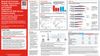 November 2025 in “SKIN The Journal of Cutaneous Medicine”
 Baricitinib helps regrow scalp, eyebrow, and eyelash hair in teens with severe alopecia areata.
 March 2022 in “Journal of Survey in Fisheries Sciences”
 Asteraceae plants have important medicinal uses but face challenges in sustainable use.
 21 citations
,
January 2010 in “JOURNAL OF HEALTH SCIENCE”
21 citations
,
January 2010 in “JOURNAL OF HEALTH SCIENCE” Abietic acid from pine resin can effectively inhibit testosterone 5α-reductase.
 October 2025 in “Jurnal Medisains Kesehatan”
 Muntingia calabura leaf extract is more effective against acne-causing bacteria than Averrhoa bilimbi.
 6 citations
,
January 2022 in “GSC Biological and Pharmaceutical Sciences”
6 citations
,
January 2022 in “GSC Biological and Pharmaceutical Sciences” Eclipta prostrata is used for health benefits and hair care, showing various protective and healing effects.
4 citations
,
February 2021 in “Zenodo (CERN European Organization for Nuclear Research)” The plants are safe from heavy metal toxicity.
2 citations
,
April 2024 in “Medical Journal Armed Forces India” February 2020 in “Phytotherapy Research”  April 2018 in “Journal of Investigative Dermatology”
 Anigozanthos Flavidus flower extract helps regenerate skin and reduce wrinkles.
26 citations
,
September 1999 in “Canadian Journal of Botany” The RHD4 gene is crucial for consistent root hair growth in Arabidopsis thaliana.
 3 citations
,
February 2015 in “Scientific Research and Essays”
3 citations
,
February 2015 in “Scientific Research and Essays” The study showed that brown planaria can be used to cheaply test if local plants can stop cell growth.
August 2023 in “Apple Academic Press eBooks” Eclipta prostrata promotes hair growth and has health benefits.
36 citations
,
April 2022 in “Nutrients” Langsat fruit has health benefits like fighting malaria, bacteria, and aging, but its peel is toxic.
66 citations
,
May 2002 in “The Plant Journal” The IRE gene is important for normal root hair growth in Arabidopsis plants.
July 2026 in “SKIN The Journal of Cutaneous Medicine” Accurate diagnosis of AANS is crucial for effective treatment and hair regrowth.
 200 citations
,
November 1997 in “Planta”
200 citations
,
November 1997 in “Planta” Calcium affects where root hairs grow, but other unknown factors determine their growth direction.
 30 citations
,
February 2018 in “Journal of Pharmacy and Pharmacology”
30 citations
,
February 2018 in “Journal of Pharmacy and Pharmacology” Hedychium spicatum has medicinal properties but needs more research for scientific validation and use.
2 citations
,
January 2002 in “Zhiwu Yanjiu” Capitate trichomes have more endoplasmic reticulum and vacuoles, while peltate trichomes have more plastids and larger subcuticular spaces.
 March 2024 in “Tropical Journal of Natural Product Research”
 Many people in Fez-Meknes use potentially toxic plants for various health and cosmetic purposes, but more research is needed to ensure their safety.
 January 2024 in “Scientific reports”
 Egyptian Mint effectively kills mosquito larvae and inhibits certain bacteria.
 March 2026 in “Buletin Veteriner Udayana”
 The dog's skin condition and worm infection improved with a combination of candlenut oil and other treatments.
 5 citations
,
November 2017 in “Asian journal of pharmaceutical and clinical research”
5 citations
,
November 2017 in “Asian journal of pharmaceutical and clinical research” Pakis Gajah (Angiopteris evecta) water extract may promote hair growth in rabbits, but more research is needed for human use.
 June 2022 in “Jurnal Health Sains”
 Certain plant extracts may help treat hair loss and promote hair growth.
1 citations
,
May 2019 in “International Journal of Applied Pharmaceutics” Both hair tonic and gel with Angiopteris evecta extract effectively stimulate hair growth.
2 citations
,
February 2013 in “Journal of the Saudi Society for Dermatology & Dermatologic Surgery” New hair spray caused a hair shaft disorder.