 February 2018 in “The Journal of Sexual Medicine”
 DA-9401 protects against hair loss, improves organ function, and prevents infertility caused by finasteride.
 October 2017 in “Journal of The European Academy of Dermatology and Venereology”
 Stem cells preservation in AGA could be a potential therapy, but more cases needed.
 December 2016 in “Journal of Dermatology and Dermatologic Surgery”
 IFHUT shows better hair growth than FUE, but needs improvements in positioning, speed, and accuracy.
 April 2016 in “Journal of The American Academy of Dermatology”
 Alopecia areata affects quality of life more than androgenetic alopecia.
 November 2015 in “Springer eBooks”
 Hair loss treated with minoxidil, finasteride, laser/light, hair transplant, and scalp prostheses; more research needed for skin of color.
AGA causes permanent hair loss; women use 2% minoxidil, men use 1 mg finasteride daily.
 May 2013 in “Journal of the Egyptian Women's Dermatologic Society (Print)”
 High aldosterone and free testosterone levels link to female hair loss; testing aldosterone may predict hypertension risk.
 April 2008 in “Blackwell Publishing Ltd eBooks”
 AGA causes permanent hair loss; minoxidil helps men, finasteride helps men, minoxidil somewhat helps women, estrogens/antiandrogens lack evidence for women.
 January 2007 in “Dermatologic Surgery”
 Artificial hair fibers help treat scalp scars with few complications and a 20% yearly fiber fall rate.
 November 2003 in “Dermatologic Surgery”
 Minoxidil, finasteride, and hair transplantation combined give best results for hair loss.
 September 2001 in “Dermatologic Surgery”
 Scalp surgery guidelines ensure best cosmetic results and fewer complications.
 September 1997 in “Journal of The European Academy of Dermatology and Venereology”
 Hormonal differences affect male pattern baldness.
 December 2025 in “TURKDERM”
 Facial trichostasis spinulosa is a chronic condition with significant cosmetic impact, especially in young women.
3 citations
,
January 2011 in “International Journal of Trichology” Tinea capitis affects only a specific hair area, not deeper parts.
Onychomatricoma is a unique nail tumor, not related to other hair-related tumors.
37 citations
,
January 1986 in “Carcinogenesis” ODC expression in mouse skin and tumors is varied and can be inhibited by retinoic acid or cycloheximide.
13 citations
,
January 2018 in “Skin Appendage Disorders” Dermoscopy improves diagnosis and treatment planning for trichostasis spinulosa.
 94 citations
,
August 1975 in “Journal of Cutaneous Pathology”
94 citations
,
August 1975 in “Journal of Cutaneous Pathology” Male pattern baldness involves smaller hair follicles, larger oil glands, and other tissue changes, but not major blood supply issues.
 4 citations
,
January 2016 in “Postepy Dermatologii I Alergologii”
4 citations
,
January 2016 in “Postepy Dermatologii I Alergologii” Many hair diseases, including those caused by medications and psychological issues, can lead to hair loss and require proper treatment and specialist care.
 December 2023 in “International Journal of Science and Research (IJSR)”
 Herbal treatments are effective and preferred for hair loss with fewer side effects.
 November 2023 in “Research Portal Denmark”
 Baricitinib shows promise for severe alopecia areata but isn't a cure and has side effects.
 October 2023 in “Dermatologie pro praxi”
 Alopecia areata causes hair loss and has various treatment options, but responses differ.
April 2025 in “Experimental Eye Research” The Oat mouse model shows mild retinal degeneration, useful for testing treatments.
January 2007 in “Linchuang pifuke zazhi” A 15-year-old boy had a rare skin growth on his buttock.
1 citations
,
October 2023 in “The Laryngoscope” The procedure effectively removes forehead osteomas with minimal scarring and no complications.
 January 2024 in “Figshare”
 Turpentine ointment is an effective and safe treatment for folliculitis.
 1 citations
,
March 2020 in “Australasian Journal of Dermatology”
1 citations
,
March 2020 in “Australasian Journal of Dermatology” The paper concludes that recognizing bitemporal alopecia areata is important for early treatment and preventing its progression.
 January 2026 in “Indian Journal of Dermatopathology and Diagnostic Dermatology”
 Corkscrew hairs can help diagnose trichotillomania.
August 2024 in “Clinical Case Reports” Pilomatricoma is a rare, benign skin tumor that requires surgical removal for best results.
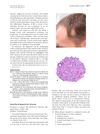
The man has Temporal Triangular Alopecia, a stable, non-scarring hair loss condition best treated with hair transplantation.