17 citations
,
April 1997 in “American Journal of Dermatopathology” PC-associated alopecia has unique microscopic features.
5 citations
,
July 2009 in “Clinical and experimental dermatology”  April 2020 in “International journal of research in dermatology”
 An 8-year-old girl has a rare, irreversible hair loss condition caused by a genetic mutation.
 25 citations
,
December 2008 in “Journal of Dermatological Case Reports”
25 citations
,
December 2008 in “Journal of Dermatological Case Reports” Skin color may change how alopecia areata looks under a dermoscope.
 1 citations
,
October 2022 in “Dermatology practical & conceptual”
1 citations
,
October 2022 in “Dermatology practical & conceptual” Isolated patchy heterochromia with pili annulati can occur without other health issues.
8 citations
,
April 2016 in “Experimental dermatology” B6.Cg-Tyr c−2J Hr hr /J mice have a stronger delayed sunburn reaction and are good for UV research.
September 2024 in “Indian Journal of Dermatology Venereology and Leprology”  November 2024 in “International Journal of Dermatology”
 LC-OCT is a useful noninvasive tool for diagnosing and monitoring alopecia areata.
 12 citations
,
November 1987 in “Pediatric dermatology”
12 citations
,
November 1987 in “Pediatric dermatology” Four children had unmanageable pale blond hair due to uncombable-hair syndrome.
 January 2023 in “Malaysian Journal of Medical Research”
 Early and proper treatment is crucial for children with allergic conjunctivitis to avoid complications.
 July 2025 in “Journal of Dermatology Research Reviews & Reports”
 A 10-year-old girl with hair and eyelash loss showed significant regrowth after treatment.
January 2022 in “Indian dermatology online journal” Pigmented papules on the ear can be a rare skin condition called cutaneous amyloidosis, treatable with topical tretinoin.
16 citations
,
March 2011 in “Ophthalmic genetics” A patient with Birt-Hogg-Dubé Syndrome also had choroidal melanoma, suggesting the need for careful eyelid exams in such patients.
9 citations
,
September 2020 in “Journal of cosmetic dermatology” A woman developed vitiligo from repeated eyebrow microblading.
20 citations
,
April 2000 in “Experimental dermatology” ODC transgenic mice can model human hair loss with skin lesions.
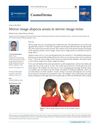
Mirror-image twins can have alopecia areata on opposite sides of their heads.
2 citations
,
January 2021 in “The Scientific Journal of Al-Azhar Medical Faculty Girls” Alopecia areata patients have higher osteopontin levels and more eye changes, but their vision remains unaffected.
 June 2023 in “British journal of dermatology/British journal of dermatology, Supplement”
 A 13-year-old boy had both lichen planus and vitiligo, suggesting a possible link between the two conditions.
 4 citations
,
January 1970 in “Journal of Bangladesh College of Physicians and Surgeons”
4 citations
,
January 1970 in “Journal of Bangladesh College of Physicians and Surgeons” Early diagnosis and genetic counseling are crucial for managing adrenoleukodystrophy.
 April 2017 in “Journal of Investigative Dermatology”
 A boy with Oculodentodigital syndrome had a unique GJA1 gene mutation causing his symptoms.
Trichoscopic examination is crucial for diagnosing congenital triangular alopecia.
 4 citations
,
September 2013 in “Journal of Plastic Surgery and Hand Surgery”
4 citations
,
September 2013 in “Journal of Plastic Surgery and Hand Surgery” A girl with a rare syndrome had successful hair loss treatment with no relapse after 4 years.
29 citations
,
June 2016 in “Experimental Dermatology” MCHR2 gene duplications may be linked to alopecia areata.
35 citations
,
August 2009 in “Journal of the American Academy of Dermatology” Melanocytes might be targeted by the immune system in people with alopecia areata, but more research is needed.
26 citations
,
April 2007 in “Journal of clinical oncology” 17 citations
,
May 2007 in “British Journal of Dermatology” Gomez–Lopez–Hernandez syndrome can cause focal hair loss and developmental delays but some children can still function well and excel in school and sports.
1 citations
,
June 2025 in “Journal of Drugs in Dermatology” Better documentation of alopecia areata in Black individuals is needed to improve diagnosis.
13 citations
,
January 2013 in “Indian Journal of Dermatology Venereology and Leprology” Alopecia areata and vitiligo can coexist, respond well to treatment, and may have a better prognosis together.

Alopecia areata patients show increased inflammation and OX40 activation, suggesting a new treatment target.
23 citations
,
July 2003 in “Journal of Investigative Dermatology” Genetic testing for hairless gene mutations is crucial to correctly diagnose and treat atrichia with papular lesions.