4 citations
,
November 2024 in “International Journal of Molecular Sciences” COVID-19 may worsen Parkinson's disease by affecting certain brain proteins.
4 citations
,
June 2023 in “Journal of developmental biology” The skin systems of jawed vertebrates evolved diverse appendages like hair and scales from a common structure over 420 million years ago.
3 citations
,
August 2025 in “International Journal of Molecular Sciences” Induced pluripotent stem cells are a major breakthrough in regenerative medicine.
3 citations
,
September 2024 in “Brain and Behavior” ASA and CM may protect the brain and work better together.
 3 citations
,
February 2023 in “International Journal of Molecular Sciences”
3 citations
,
February 2023 in “International Journal of Molecular Sciences” Autologous Platelet and Extracellular Vesicle-Rich Plasma (PVRP) has potential in enhancing tissue regeneration and improving hair conditions, but its effectiveness varies due to individual differences.
 3 citations
,
November 2021 in “Frontiers in Genetics”
3 citations
,
November 2021 in “Frontiers in Genetics” Certain genes are linked to the quality of cashmere in goats.
3 citations
,
October 2020 in “Journal of Investigative Dermatology” Removing β-catenin in certain stem cells causes hair whitening and pigmentation issues.
2 citations
,
November 2025 in “Comprehensive Reviews in Food Science and Food Safety” Combining advanced sensors with portable devices could enhance on-site food safety monitoring.
2 citations
,
December 2024 in “Neural Regeneration Research” Exosome therapy could revolutionize stroke treatment, but more research is needed for human use.
1 citations
,
September 2025 in “Physiologia” Ovalbumin–aluminum sensitization causes increased pain sensitivity and nerve changes in mice.
1 citations
,
February 2016 in “Cell Transplantation” Hair follicles have a more inactive cell cycle than other skin cells, which may help develop targeted therapies for skin diseases and cancer.
March 2026 in “Annals of Medicine” Standardized tools and treatments are needed to better manage long COVID-19 in kids and teens.
 February 2026 in “International Journal of Molecular Sciences”
 Extracellular vesicles show promise for medical use but face challenges in standardization and safety.
December 2025 in “Pharmaceutics” EV-based drug delivery shows promise but faces challenges in standardization and scalability.
December 2025 in “International Journal of Molecular Sciences” Bacopa procumbens extract may help protect the brain in Parkinson's disease.
August 2025 in “BMC Pharmacology and Toxicology” The LTF gene may help predict and manage nonspecific orbital inflammation.
June 2025 in “Cell Metabolism” Serine is vital for hair follicle stem cells to balance hair growth and skin repair.
 April 2025 in “BMC Chemistry”
 Thiadiazole chitosan conjugates improve hair manageability, moisture, and protection in conditioners.
 January 2025 in “The World Journal of Men s Health”
 Finasteride temporarily suppresses brain activity, but some effects last even after stopping.
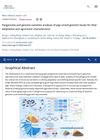
Pangenome analysis reveals key genes for pig adaptation and traits, aiding genetic improvement.
October 2024 in “Frontiers in Immunology” Pertussis toxin may contribute to hair loss in alopecia areata.
 September 2024 in “Advanced Biomedical Research”
 Chick embryo extract helps rat hair follicle stem cells become more like neurons.
 August 2024 in “Archives of Women s Mental Health”
 Women with PCOS have more depression and stress due to high androgen levels, not obesity or insulin resistance.
July 2024 in “International Journal of Molecular Sciences” MicroRNAs could help assess and manage multiple chronic diseases.
February 2024 in “Neurophotonics” Light therapy on the brain shows promise for treating brain diseases and improving brain function.
January 2024 in “Diagnostics” Long COVID causes a wide range of long-lasting symptoms that change over time and are hard to diagnose and treat.
The white wax scale insect's genome shows that complete metamorphosis evolved earlier than thought and highlights differences in male and female development.
February 2009 in “Mayo Clinic proceedings” A woman's new seizures were caused by a brain tumor likely linked to her past cancer treatment, and choosing safe seizure medications is important for women who can have children.
 6 citations
,
May 2022 in “Frontiers in Microbiology”
6 citations
,
May 2022 in “Frontiers in Microbiology” Marine microbes could be used in cosmetics for sun protection, skin care, and possibly preventing hair loss.
 November 2024 in “Journal of Cosmetic Dermatology”
 The hair serum reduced hair loss and improved hair quality in women.