January 2024 in “Revista del Centro Dermatológico Pascua” Avoiding damage and using specific shampoo and supplements improved the hair condition.
3 citations
,
January 2020 in “Acta veterinaria indonesiana” The cat with ringworm got better after being treated with oral and topical medications for 35 days.
Bovines can have rare inherited skin diseases with specific symptoms like hair loss, fragile skin, and abnormal porphyrin buildup.
 6 citations
,
August 2012 in “The Journal of Pediatrics”
6 citations
,
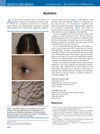
August 2012 in “The Journal of Pediatrics” A 12-year-old girl was diagnosed with monilethrix, a genetic condition causing fragile, beaded hair that breaks easily, with no effective treatment available.
2 citations
,
April 1970 in “Archives of Dermatology” Ichthyosis serpentina may be a variant linked to bamboo hair, with a possible genetic component.
October 2021 in “European Journal of Dermatology” CAL-PDT is safer and more effective for treating actinic keratosis on the scalp.
2 citations
,
January 2012 in “ACTA SCIENTIAE VETERINARIAE” Topical treatment with amphotericin B and DMSO effectively healed a horse's skin infection.
 December 2022 in “Journal of medical sciences and health”
 Examining nail biopsies is useful for diagnosing nail diseases.
 1 citations
,
November 2025 in “Journal of Korean Medical Association”
1 citations
,
November 2025 in “Journal of Korean Medical Association” Recognizing nail changes helps diagnose and treat non-infectious skin diseases.
2 citations
,
December 2017 in “PubMed” A long-term pubic rash was finally diagnosed as white piedra and cured with ketoconazole.
 2 citations
,
December 2013 in “Veterinary dermatology”
2 citations
,
December 2013 in “Veterinary dermatology” Three dogs with a rare skin condition improved with treatment.
September 2021 in “Pediatrics in review” The girl's leg lesion was a fungal infection that improved with antifungal medication but kept coming back before finally clearing up after 5 years.
December 2025 in “Clinical Case Reports” Netherton syndrome causes skin and hair issues, confirmed by "bamboo hair" under dermoscopy, with no cure but managed with topical treatments.
 July 2025 in “Journal of Dermatology Research Reviews & Reports”
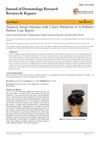
 A 10-year-old girl with hair and eyelash loss showed significant regrowth after treatment.
March 2021 in “Annals of King Edward Medical University” Clouston syndrome causes issues with teeth, hair, nails, and skin, and has no cure, but recognition has improved.
August 2025 in “Skin Appendage Disorders” Topical minoxidil can help improve hair in trichonodosis.
5 citations
,
March 1943 in “Archives of Dermatology and Syphilology” A rare case of severe scalp hair loss and nail issues in keratosis follicularis was observed.
1 citations
,
March 2006 in “Journal of Cosmetic Dermatology” The woman's forehead lesion was caused by ointment use and resolved with treatment.
5 citations
,
January 2000 Pododermatitis in farmed mink is likely caused by an unknown infectious agent with secondary bacterial infection.
8 citations
,
June 1934 in “Archives of Dermatology and Syphilology” Ringworm of the scalp can heal on its own, especially if caused by animal-related fungi.
May 2025 in “Indian Dermatology Online Journal” Trichoscopy is crucial for diagnosing rare genetic hair disorders.
46 citations
,
September 2007 in “Journal of Investigative Dermatology” November 2023 in “Veterinary Science and Medicine Journal” A mixed breed dog's skin condition improved with combined therapy and supportive care.
May 2017 in “Journal of the American Academy of Dermatology” Monilethrix is a rare, inherited condition causing fragile hair and hair loss, with no cure but some treatments may help.
53 citations
,
September 2004 in “American journal of medical genetics. Part C, Seminars in medical genetics” Mutations in keratin genes cause cell fragility and various skin disorders.
 10 citations
,
February 2022 in “JMIR Dermatology”
10 citations
,
February 2022 in “JMIR Dermatology” People with Down syndrome often have skin issues and need regular check-ups for early treatment.
13 citations
,
July 2004 in “Pediatric dermatology” A new severe form of monilethrix syndrome includes hair loss, scalp itching, cataracts, and distinct facial features.
5 citations
,
October 2012 in “Australian veterinary journal” Two Australian Poll Hereford calves had severe anaemia, abnormal red blood cells, and skin issues.
 21 citations
,
November 1981 in “Archives of Dermatology”
21 citations
,
November 1981 in “Archives of Dermatology” Ashy dermatosis may be linked to atopy and thyroid disease and can be treated with topical steroids.
2 citations
,
January 2017 in “Ciência Rural” A capuchin monkey with a skin infection was successfully treated with itraconazole.