 1 citations
,
March 2025 in “Biomedical Journal of Scientific & Technical Research”
1 citations
,
March 2025 in “Biomedical Journal of Scientific & Technical Research” Caffeine can effectively treat hair loss and skin issues.
 1 citations
,
January 2025 in “BIO Integration”
1 citations
,
January 2025 in “BIO Integration” Combining ultrasound and microneedles improves drug delivery through the skin.
 1 citations
,
May 2024 in “AYUSHDHARA”
1 citations
,
May 2024 in “AYUSHDHARA” Wet cupping and Rasayana Chikitsa may help regrow hair in alopecia areata.
 1 citations
,
March 2024 in “Signal transduction and targeted therapy”
1 citations
,
March 2024 in “Signal transduction and targeted therapy” NF-κB signaling is crucial in many diseases and can be targeted for new treatments.
 1 citations
,
May 2023 in “Prospects in Pharmaceutical Sciences”
1 citations
,
May 2023 in “Prospects in Pharmaceutical Sciences” New cytokine-targeted therapies show promise for treating alopecia areata.
 1 citations
,
July 2019 in “British Journal of Dermatology”
1 citations
,
July 2019 in “British Journal of Dermatology” Minoxidil was more effective than laser therapy for hair loss, and the report also highlighted the need for more research on PRP for a different hair loss condition, the impact of social media on alopecia views, and a warning on turmeric causing nail discoloration.
 1 citations
,
November 2018 in “Therapeutic Delivery”
1 citations
,
November 2018 in “Therapeutic Delivery” New partnerships, clinical trials, and drug approvals marked progress in therapeutic delivery in July 2018.
 1 citations
,
November 2017 in “Journal of Investigative Dermatology”
1 citations
,
November 2017 in “Journal of Investigative Dermatology” Platelet-rich plasma and microneedling could potentially help hair regrowth in alopecia areata patients, but more research is needed.
 1 citations
,
June 2014 in “Serbian Journal of Dermatology and Venereology”
1 citations
,
June 2014 in “Serbian Journal of Dermatology and Venereology” A woman with discoid lupus improved with treatment after being misdiagnosed with a different hair loss condition.
 1 citations
,
July 2007 in “Regenerative Medicine”
1 citations
,
July 2007 in “Regenerative Medicine” Stem cell research and regenerative medicine have made significant advancements in treating various diseases and conditions.
 July 2026 in “Frontiers in Medicine”
 A new treatment plan for alopecia areata considers disease severity, quality of life, and progression to offer personalized care.
 June 2026 in “Dermatology and Therapy”
 Ritlecitinib provides new treatment options for diverse alopecia areata patients.
Combining systemic steroids and dithranol can effectively regrow hair in severe alopecia areata.
 November 2025 in “Journal of Multidisciplinary Healthcare”
 Combining fire needle therapy with doxycycline improves severe acne more than doxycycline alone.
 September 2025 in “BULLETIN OF STOMATOLOGY AND MAXILLOFACIAL SURGERY”
 Better supportive care is needed to manage chemotherapy side effects.
 July 2025 in “Pharmaceutical Sciences & Analytical Research Journal”
 Herbal treatments for hair loss show promise but need more research to confirm their safety and effectiveness.
 July 2025 in “Scientific Reports”
 Six key genes can predict bladder cancer outcomes and may serve as prognostic biomarkers.
 June 2025 in “World Journal of Medical Oncology”
 Bio-based materials like hydrogels show promise in treating skin cancer with fewer side effects, but more research is needed.
 March 2025 in “Pakistan Journal of Health Sciences”
 Intralesional steroids improve Alopecia Areata, and trichoscopy effectively tracks this improvement.
New therapies like JAK inhibitors, PRP, and stem cell treatments show promise for better alopecia management.
 January 2025 in “Journal of Pharmaceutical Research Science & Technology”
 Dissolving microneedles offer efficient, minimally invasive drug delivery through the skin.
Herbal therapies for alopecia show promise but need more research for safety and effectiveness.
 January 2025 in “International Journal of Dermatology Research”
 Tailored combination therapy improves non-scarring alopecia outcomes.
Ayurvedic herbs may reduce side effects and improve effectiveness of cancer treatments.
 October 2023 in “bioRxiv (Cold Spring Harbor Laboratory)”
 Immune cells are essential for early hair and skin development and healing.
Various treatments exist for hair loss, but no definitive solution.
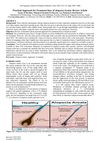 July 2023 in “The Egyptian Journal of Hospital Medicine ”
 The conclusion is that emotional support and a variety of treatments are important for alopecia areata, but more research is needed.
 October 2022 in “The Egyptian Journal of Hospital Medicine”
 Topical corticosteroids are the preferred first treatment for children with Alopecia Areata.
 January 2022 in “Juniper Online Journal of Case Studies”
 A patient regrew hair after a lung transplant using standard post-transplant medication.
Topical calcipotriol successfully treated hair loss in three patients with Alopecia Totalis.