 May 2025 in “International Medical Case Reports Journal”
 Lichen planus pigmentosus may indicate undetected hepatitis C infection.
 October 2022 in “IntechOpen eBooks”
 Hair loss due to scarring can be treated by reducing inflammation, removing scar tissue, and transplanting hair. The Follicular Unit Extraction technique is effective but requires skill and time. Future focus should be on scar-less healing methods.
35 citations
,
February 2023 in “Biomolecules” Granzyme B is important in autoimmune skin diseases and could be a new treatment target.
30 citations
,
August 1984 in “Journal of the American Academy of Dermatology” Low-sulfur hair syndrome can cause UVB sensitivity and testicular failure.
1 citations
,
December 2017 in “Annals of Dermatological Research” Accurate early diagnosis of Lichen Planopilaris is crucial to prevent permanent hair loss.
October 2025 in “Nature Reviews Disease Primers”  September 2024 in “Journal of Cutaneous and Aesthetic Surgery”
 Bicalutamide may help treat female pattern hair loss.
277 citations
,
December 2019 in “Frontiers in Immunology” JAK inhibitors show promise for treating skin disorders like alopecia, eczema, and psoriasis.
 89 citations
,
June 2012 in “Anais Brasileiros de Dermatologia”
89 citations
,
June 2012 in “Anais Brasileiros de Dermatologia” Actinic keratosis can lead to skin cancer, is more common in fair-skinned people, and can be reduced with sunscreen and treated effectively.
45 citations
,
October 2018 in “JCI Insight” Entospletinib effectively prevents eye and skin GVHD in mice.
 18 citations
,
March 2022 in “Drug design, development and therapy”
18 citations
,
March 2022 in “Drug design, development and therapy” Platelet-rich plasma (PRP) may help with various hair loss types, but more research is needed to find the best use method.
14 citations
,
September 2021 in “Journal of Inflammation Research” Alopecia areata patients, especially women with nail issues or atopic diseases, are at higher risk for other autoimmune diseases.
2 citations
,
June 2024 in “JAAD reviews.” Some drugs can cause permanent hair loss, though it's rare.
 2 citations
,
February 2021 in “The Journal of clinical and aesthetic dermatology”
2 citations
,
February 2021 in “The Journal of clinical and aesthetic dermatology” Understanding the cause of bitemporal hair loss is key to deciding the right treatment.
 May 2023 in “Frontiers in Endocrinology”
 Thyroid disease can cause skin, hair, and nail problems, and treating the thyroid condition often improves these symptoms.
1 citations
,
January 2018 in “Dermatology Online Journal” Knowing how long skin diseases last is important for better patient care.
4 citations
,
December 2024 in “Life” Recognizing race-specific skin traits is crucial in pediatric dermatology.
 February 2022 in “Chinese Journal of Dermatology”
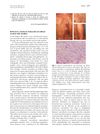
 A 36-year-old woman with worsening hair loss over 10 years was treated with various medications, and after six months, her hair loss did not worsen significantly.
 7 citations
,
June 2010 in “Journal of The American Academy of Dermatology”
7 citations
,
June 2010 in “Journal of The American Academy of Dermatology” Tranilast successfully treated a man's skin sarcoidosis when other treatments failed.
 3 citations
,
January 1985 in “PubMed”
3 citations
,
January 1985 in “PubMed” Hormonal birth control can cause skin issues, but low-dose options and those with antiandrogens may reduce these effects.
 January 2025 in “Indian Journal of Dermatology”
 Frontal fibrosing alopecia is a challenging hair loss condition with no known cause or definitive treatment.
 2 citations
,
January 2019 in “Springer eBooks”
2 citations
,
January 2019 in “Springer eBooks” The conclusion is that different blood diseases cause specific oral symptoms and require varied treatments to manage these symptoms and improve patient health.
 November 2016 in “Faridpur Medical College Journal”
 Betamethasone oral mini-pulse therapy showed good or fair results in treating lichen planus.
 36 citations
,
May 2015 in “Australasian Journal of Dermatology”
36 citations
,
May 2015 in “Australasian Journal of Dermatology” Low dose oral minoxidil helps regrow hair in permanent chemotherapy-induced alopecia.

Low-dose oral isotretinoin improved hair loss and facial bumps in patients with a specific type of hair loss.
 11 citations
,
February 2020 in “Dermatology and therapy”
11 citations
,
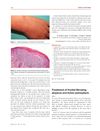
February 2020 in “Dermatology and therapy” Low-Level Light Therapy significantly reduced inflammation and promoted hair regrowth in patients with Lichen planopilaris.
 20 citations
,
January 2014 in “Journal of the European Academy of Dermatology and Venereology”
20 citations
,
January 2014 in “Journal of the European Academy of Dermatology and Venereology” The critique highlights an error in a review about hair loss treatment, stressing the need for accurate information and caution due to poor evidence quality.
 117 citations
,
March 2013 in “Journal of the European Academy of Dermatology and Venereology”
117 citations
,
March 2013 in “Journal of the European Academy of Dermatology and Venereology” No effective treatment for frontal fibrosing alopecia was found, but oral 5-alpha-reductase inhibitors had the best response; for lichen planopilaris, topical corticosteroids were commonly used but had a high relapse rate.
 12 citations
,
October 2016 in “Anais Brasileiros de Dermatologia”
12 citations
,
October 2016 in “Anais Brasileiros de Dermatologia” Frontal Fibrosing Alopecia may be linked to autoimmune diseases like Sjögren's syndrome.
2 citations
,
June 2016 in “Oral Surgery Oral Medicine Oral Pathology and Oral Radiology” Oral lichen planus can appear before lichen planopilaris.