 9 citations
,
July 2009 in “Journal Of Endocrinology, Metabolism And Diabetes Of South Africa”
9 citations
,
July 2009 in “Journal Of Endocrinology, Metabolism And Diabetes Of South Africa” The document concludes that managing PCOS involves treating symptoms and reducing long-term metabolic risks, with lifestyle changes being important.
 December 2022 in “International Journal of Current Science Research and Review”
 Polycystic Ovary Syndrome (PCOS) is a common but often undiagnosed disorder in women that can cause irregular periods, infertility, and other symptoms, and can be managed with lifestyle changes, medication, and sometimes surgery.
June 2025 in “Journal of Ovarian Research” Accurate diagnosis is crucial to distinguish between PCOS and rare ovarian tumors in teens with similar symptoms.
August 2020 in “OPAL (Open@LaTrobe) (La Trobe University)” 1 citations
,
January 2014 SAHA syndrome links oily skin, acne, excess hair, and hair loss in women, similar to PCOS.
Oral contraceptives can affect skin and hair, improve acne, but may cause pigmentation, dermatitis, and other conditions.
 14 citations
,
September 2015 in “Expert Opinion on Therapeutic Targets”
14 citations
,
September 2015 in “Expert Opinion on Therapeutic Targets” The conclusion is that while oral contraceptive pills are effective for PCOS-related high androgen levels, new treatments with fewer side effects are needed.
 December 2013 in “International Journal of Dermatology”
 The clinical signs of Adams-Oliver syndrome can vary greatly, even among family members.
 883 citations
,
August 2016 in “Nature Reviews Disease Primers”
883 citations
,
August 2016 in “Nature Reviews Disease Primers” Polycystic Ovary Syndrome (PCOS) is a common condition in women that can cause metabolic, reproductive, and psychological issues, and requires lifestyle changes and medication for management.
23 citations
,
January 2008 in “Skin Pharmacology and Physiology” Optical coherent tomography can effectively detect steroid use by analyzing hair changes.
21 citations
,
August 2002 in “British Journal of Ophthalmology” Intralesional cidofovir may be a viable alternative treatment for SCC.
April 2026 in “Middle European Scientific Bulletin” Early diagnosis and personalized treatment of PCOS improve quality of life and prevent complications.
 3 citations
,
October 2010 in “Journal of Experimental & Clinical Medicine”
3 citations
,
October 2010 in “Journal of Experimental & Clinical Medicine” Obesity is a major risk factor for insulin resistance in Taiwanese women with PCOS, which is also an independent risk factor for metabolic syndrome.

Polycystic ovary syndrome (PCOS) affects about 10% of women, is often linked to obesity and family history, and can cause irregular periods, fertility issues, and other symptoms. It's usually managed with lifestyle changes, weight loss, and medication.
 August 2008 in “Obstetrics & gynecology science”
 Polycystic Ovary Syndrome (PCOS) is a complex disorder with both immediate and long-term health effects, including menstrual issues, infertility, and increased risk of diabetes and heart disease.
 27 citations
,
January 2013 in “Indian Journal of Dermatology, Venereology and Leprology”
27 citations
,
January 2013 in “Indian Journal of Dermatology, Venereology and Leprology” PCOS is a complex disorder managed by treating symptoms and requires a team of specialists.
October 2025 in “Journal of Obstetric and Gynaecological Practices POGS” October 2024 in “Frontiers in Oncology” A new gene mutation linked to Olmsted syndrome may increase cancer risk, suggesting the need for ongoing patient monitoring.
15 citations
,
October 1996 in “Archives of Dermatology” Researchers identified a new hair loss pattern called "sisaipho type," where hair is lost across the scalp except around the edges.
 2 citations
,
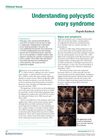
September 2009 in “Nurse Prescribing”
2 citations
,
September 2009 in “Nurse Prescribing” PCOS affects many women, causing various symptoms and health risks, and is managed through lifestyle changes, medication, and support groups.
 September 2022 in “Women's healthcare”
 PCOS is managed by lifestyle changes and personalized medication to improve symptoms and fertility.
October 2025 in “The American Journal of Gastroenterology” Infliximab can cause SAPHO syndrome, which may improve with Spesolimab and methotrexate.
16 citations
,
March 2017 in “Oncotarget” SOCS3 treatment can prevent hair loss by stopping harmful immune responses.
 3 citations
,
July 2019 in “Case Reports in Obstetrics and Gynecology”
3 citations
,
July 2019 in “Case Reports in Obstetrics and Gynecology” A young woman's rare ovarian tumor was successfully removed, improving her hormonal symptoms.
 23 citations
,
February 2004 in “Clinical and Experimental Ophthalmology”
23 citations
,
February 2004 in “Clinical and Experimental Ophthalmology” A boy with chromosome 13q deletion syndrome developed eye cancer, a woman with breast cancer lost vision due to a rare side-effect of her treatment, a man's vision worsened after using a hair loss drug, and two rare disorders were discussed. Optical Coherence Tomography is useful for diagnosing and monitoring these conditions.
 October 2016 in “Journal of the Dermatology Nurses’ Association”
 Polycystic Ovary Syndrome (PCOS) affects 6%-15% of women of reproductive age, causing symptoms like acne and hair loss, and increasing the risk of type 2 diabetes and heart disease; it's managed through diet, exercise, and medications like Metformin and hormonal contraceptives.
1 citations
,
December 2025 in “Baylor University Medical Center Proceedings” Leuprolide may better manage cholesterol and blood pressure in PCOS than spironolactone.
January 2025 in “Journal of College of Physicians And Surgeons Pakistan” Minimally invasive glaucoma surgery can effectively manage glaucoma in GAPO syndrome when other treatments fail.
January 2003 in “Dialnet (Universidad de la Rioja)” The study found ways to create important compounds for male health from olive waste.
 18 citations
,
July 2019 in “Clinical Endocrinology”
18 citations
,
July 2019 in “Clinical Endocrinology” Women with PCOS in Sicily show different levels of metabolic problems depending on their PCOS type, with obesity and abnormal lipid profiles being common.