61 citations
,
September 1970 in “Journal of the American Geriatrics Society” Anabolic steroids may help prevent aging effects by reducing toxicity, not by their usual functions.
Stress can cause hair loss and trigger autoimmunity by damaging hair follicle cells.
10 citations
,
December 2018 in “Journal of animal physiology and animal nutrition” Heat stress reduced hair growth and affected related genes in rex rabbits.
 August 2025 in “Frontiers in Public Health”
 Coastal residents in Bangladesh link extreme temperatures and saline water to various health issues and stress the need for clean water and health education.
Depressed individuals have higher hair sodium and potassium levels, similar to changes seen in astronauts.

Scalp tonics are popular for stress-related hair loss, but minoxidil is used less due to side effects and inconvenience.
 February 2026 in “Cosmetics”
 These supernatants may help reduce hair loss by protecting hair cells.
18 citations
,
October 2020 in “Journal of Pharmacology and Experimental Therapeutics” KATP channel openers may cause peripheral edema by reducing lymphatic contractions and flow.
 66 citations
,
July 2007 in “Journal of Molecular Medicine”
66 citations
,
July 2007 in “Journal of Molecular Medicine” Stress increases certain chemicals in the skin and nerves, which might worsen skin conditions.
69 citations
,
August 2016 in “PubMed” High stress can disrupt hair growth, but certain supplements might help.
 43 citations
,
March 2011 in “Journal of psychosomatic research”
43 citations
,
March 2011 in “Journal of psychosomatic research” Kids with alopecia areata may experience more stress but not necessarily feel more anxious or depressed than others.
12 citations
,
October 2023 in “International Journal of Molecular Sciences” Understanding how skin cells react to pressure can help diagnose and manage pressure-related skin disorders.
May 2026 in “Research Square” 2 citations
,
March 2025 in “Quantitative Imaging in Medicine and Surgery” Altered hypothalamic activity may contribute to stress in alopecia areata patients.
47 citations
,
January 2024 in “iScience” Stress keratins are expressed less in diseased skin and are linked to differentiation, inflammation, and immunity.
 65 citations
,
May 2010 in “Current Women's Health Reviews”
65 citations
,
May 2010 in “Current Women's Health Reviews” Oxidative stress is a key factor in the development of Polycystic Ovary Syndrome, and weight management can improve symptoms.
 March 2025 in “medRxiv (Cold Spring Harbor Laboratory)”
 Hair proteomics could be a promising non-invasive way to identify stress-related disorders.
 May 2015 in “Journal of Investigative Dermatology”
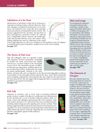
 Melanoma risk tools need improvement, a gene mutation causes a hair disorder that might be treated by managing cell stress, a potential therapy for a skin-ear disorder involves blocking cell channels, skin wrinkling may indicate lung aging regardless of smoking, and oxidative stress might contribute to common baldness.
December 2025 in “Therapeutic Drug Monitoring” Pulverization extracts more cortisol from hair, but any method works due to individual differences.
Hair can naturally regain color, and stress might influence greying and its reversal.
6 citations
,
July 2001 in “PubMed” Simulated microgravity affects root hair growth direction.
Mechanical stress causes ligament thickening through WISP-1 and Hedgehog signaling.
10 citations
,
February 2021 in “PLoS biology” Corin helps control salt and sweat release in sweat glands.
 59 citations
,
November 2015 in “International Journal of Cosmetic Science”
59 citations
,
November 2015 in “International Journal of Cosmetic Science” Oxidative stress damages hair and contributes to aging, and managing it can help maintain hair health.
 September 2021 in “Journal of skin and stem cell”
 Lactium, a milk protein, can help reduce symptoms of skin disorders linked to stress and anxiety without side effects.
 13 citations
,
March 2017 in “PubMed”
13 citations
,
March 2017 in “PubMed” People with a common type of hair loss have higher stress levels in their body, and treatments that reduce this stress could help.
 September 2025 in “International Journal of Science and Research (IJSR)”
 Stress causes hair loss by disrupting hair growth cycles, and combining medical and cosmetic treatments can help manage it.
Oxidative stress is linked to mild patchy alopecia areata.
 76 citations
,
March 2005 in “Journal of Molecular Medicine”
76 citations
,
March 2005 in “Journal of Molecular Medicine” Certain mice without specific receptors or mast cells don't lose hair from stress.
62 citations
,
July 2013 in “American Journal of Clinical Dermatology” Alopecia areata patients have higher oxidative stress and lower antioxidant levels.