 January 2022 in “Journal of Dermatology and Dermatologic Surgery”
 Trichoscopy is useful for quickly diagnosing different types of hair loss without needing biopsies.
 243 citations
,
September 2016 in “Dermatology and Therapy”
243 citations
,
September 2016 in “Dermatology and Therapy” Dermoscopy is a useful tool for identifying features of skin conditions, but more research is needed to define its role in dermatology.
 December 2022 in “Skin Pharmacology and Physiology”
 Special scalp and hair examination techniques can identify hair problems.
 April 2012 in “Journal of the American Academy of Dermatology”
 Dermoscopy can help diagnose tinea capitis in children by looking for comma hairs, black dots, and broken hairs with white bands.
May 2022 in “Hair transplant forum international” Using a dermatoscope is crucial for accurately diagnosing hair loss conditions.
 31 citations
,
August 2001 in “PubMed”
31 citations
,
August 2001 in “PubMed” TrichoScan accurately measures hair growth and showed improved hair counts and thickness after finasteride treatment.
 May 2021 in “IP Indian journal of clinical and experimental dermatology”
 Dermoscopy is useful for diagnosing various skin conditions, and new patterns for diagnosis are emerging.
32 citations
,
February 1993 in “British Journal of Clinical Pharmacology” Measuring OPC-17116 in hair can reliably indicate drug exposure and timing.
 January 2018 in “Journal of clinical and investigative dermatology”
 Dermoscopy is a useful, low-cost method for diagnosing various types of hair loss disorders known as Cicatricial Alopecia.
57 citations
,
July 2000 in “Toxicology Letters” K6/ODC transgenic mice are effective for quickly identifying cancer-causing chemicals.
 May 2024 in “Research Journal of Pharmacy and Technology”
 New, simple, and cost-effective methods can accurately measure Minoxidil in medicines.
 5 citations
,
February 2015 in “JEADV. Journal of the European Academy of Dermatology and Venereology/Journal of the European Academy of Dermatology and Venereology”
5 citations
,
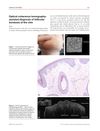
February 2015 in “JEADV. Journal of the European Academy of Dermatology and Venereology/Journal of the European Academy of Dermatology and Venereology” OCT can non-invasively diagnose follicular keratosis and other hair follicle disorders.
 June 2026 in “EXPERIMENTAL & CLINICAL MEDICINE GEORGIA”
 Trichoscopy is useful for assessing androgenetic alopecia severity but can't determine hair loss stage alone.
 3 citations
,
September 2013 in “Journal of the European Academy of Dermatology and Venereology”
3 citations
,
September 2013 in “Journal of the European Academy of Dermatology and Venereology” Ex vivo dermatoscopy may lower lab costs and improve diagnosis speed for hair loss biopsies.
June 2025 in “Journal of Ovarian Research” Accurate diagnosis is crucial to distinguish between PCOS and rare ovarian tumors in teens with similar symptoms.
 May 2026 in “Journal of Cutaneous and Aesthetic Surgery”
 Trichoscopy helps monitor changes and detect issues after hair transplants.
 November 2021 in “International Journal of Research in Medical Sciences & Technology”
 Skin surface chemistry and OCT can improve skin disease diagnosis.
 36 citations
,
June 2018 in “Journal of The American Academy of Dermatology”
36 citations
,
June 2018 in “Journal of The American Academy of Dermatology” Dermoscopy is useful for diagnosing various skin, hair, and nail disorders and can reduce the need for biopsies.
 36 citations
,
October 2022 in “ULTRASONOGRAPHY”
36 citations
,
October 2022 in “ULTRASONOGRAPHY” Ultrasonography in dermatology improves diagnosis and treatment of skin conditions.
 1 citations
,
April 2020 in “International Journal of Research in Dermatology”
1 citations
,
April 2020 in “International Journal of Research in Dermatology” Trichoscopy is a reliable method for diagnosing different types of hair loss.
 January 2023 in “Brazilian Journals Editora eBooks”
 Girls with Autism Spectrum Disorder may show different symptoms than boys, leading to missed or delayed diagnoses.
 May 2021 in “Pakistan Journal of Medical and Health Sciences”
 Trichogram is useful for diagnosing hair disorders, but newer, non-invasive methods like trichoscopy are becoming more popular due to their sensitivity and ability to monitor treatment responses.
January 2015 in “Dermatología Venezolana” The document's conclusion cannot be summarized because the content is not available for analysis.
 June 2023 in “International journal of pharmaceutical quality assurance”
 Videodermoscopy is effective for diagnosing different types of non-scarring hair loss.
 40 citations
,
April 2006 in “Journal of the European Academy of Dermatology and Venereology”
40 citations
,
April 2006 in “Journal of the European Academy of Dermatology and Venereology” The Trichoscan system was found to be inaccurate for measuring hair growth, needing better software to be useful.
 3 citations
,
July 2003 in “PubMed”
3 citations
,
July 2003 in “PubMed” The research found a way to measure hair surface changes by analyzing how light reflects off of it, and determined hair cuticle angles vary by hair length and color.
2 citations
,
July 2023 in “AACE Clinical Case Reports” Ovarian vein sampling can effectively locate ovarian tumors when imaging is unclear.
 74 citations
,
July 2008 in “Journal of Dermatological Case Reports”
74 citations
,
July 2008 in “Journal of Dermatological Case Reports” Trichoscopy is a quick and easy way to diagnose most genetic hair problems without invasive methods.
15 citations
,
January 2012 in “International journal of trichology” The HairCheck® device is effective for measuring hair loss and growth in people with alopecia.