Search
for
Sort by
Research
390-420 / 1000+ results
research Hidradenitis suppurativa: pathogenesis and management
Hidradenitis suppurativa, a chronic skin disease, can be managed with antibiotics, lifestyle changes, and in severe cases, surgery. Early diagnosis and careful planning are key, and laser treatment can be an efficient solution for mild to severe cases.

research Alopecia Feminina De Origem Endócrina: Abordagem Integrativa
An integrative approach combining medical, nutritional, and lifestyle changes effectively manages female pattern hair loss.

research Androgenic disorders
The book is a valuable reference on androgenic disorders for professionals but not suitable for laypeople or medical students.

research A review of hyperandrogenism state in polycystic ovarian syndrome
Polycystic ovary syndrome causes high male hormone levels, leading to symptoms like excess hair, acne, and fertility problems.
research Radiomics and radiogenomics in ovarian cancer: a review with a focus on ultrasound applications
Ultrasound-based radiomics and radiogenomics can improve ovarian cancer diagnosis and treatment, but need better standardization and AI tools.

research The role of high serum uric acid levels in androgenic and non-androgenic polycystic ovarian syndrome patients
High uric acid levels are more common in PCOS patients, especially those with androgenic PCOS, and are linked with increased cardiovascular risk and other metabolic issues.
research COVID-19 in Africa: an ovarian victory?
Africa's low COVID-19 rates may be linked to early measures and possibly higher estrogen levels in women.
research SAT-214 Satoyoshi Syndrome: A Rare Cause of Premature Ovarian Failure
Satoyoshi syndrome can occur without causing premature ovarian failure.
research Functional Ingredient Mapping in PCOS Formulations: Hormonal Excess
Certain natural ingredients and lifestyle changes can help manage PCOS symptoms by balancing hormones and improving insulin sensitivity.
research Investigation of Transcriptional Gene Profiling in Normal Murine Hair Follicular Substructures Using Next-Generation Sequencing to Provide Potential Insights into Skin Disease
Hair follicles have a more inactive cell cycle than other skin cells, which may help develop targeted therapies for skin diseases and cancer.

research Modern Polycystic Ovary Syndrome (PCOS) Management: Intelligent Drug Delivery and Metabolic Reprogramming for Ovarian Restoration and Fertility Optimization
New treatments for PCOS using smart drug delivery, metabolic changes, and AI show promise but need more research.
research Effects of orlistat on serum androgen levels among iranian obese women with polycystic ovarian syndrome
Orlistat helped reduce weight and testosterone in obese women with PCOS but did not significantly affect other androgens or cholesterol levels.
research Causes and therapeutic limitations of clinical alopecia and the advent of human pluripotent stem cell follicular transplantation
Stem cell technology may improve hair loss treatments by providing more effective and personalized options.
research Regression of Pathologic Changes Induced by the Long-term Administration of Contraceptive Steroids to Rodents
Some steroid-induced health issues in rodents improved after stopping treatment, but hair loss and eye problems did not.
research Non-Contraceptive Benefits of Oral Hormonal Contraceptives
Oral contraceptives provide various health benefits beyond birth control, including managing menstrual issues, skin conditions, pain, and reducing the risk of certain cancers.
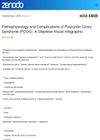
research Pathophysiology and Complications of Polycystic Ovary Syndrome (PCOS): A Stepwise Visual Infographic
PCOS is influenced by genetics and lifestyle, causing hormonal imbalances and health risks like diabetes and infertility.
research Hirsutism, Male Pattern Baldness, and Acne in a 60-Year-Old Woman
Ovarian hyperthecosis caused high testosterone and virilization symptoms in a 60-year-old woman, which improved after surgery.

research Deciphering gynaecological pathologies in women with acne and alopecia: an imaging experience.
Women with acne and hair loss, even if they have regular periods, often have polycystic ovary syndrome.
research THE ROLE OF METFORMIN IN INDUCTION OF OVULATION IN OBESE INFERTILE PATIENTS WITH POLYCYSTIC OVARY SYNDROME
Metformin helps induce ovulation in obese women with PCOS, but weight loss is still the main treatment.
research Alopécie androgénogénétique chez la femme
Female pattern hair loss is common and increases with age.
research Endocrine profile of the VCD-induced perimenopausal model rat
The rat model showed early perimenopause with regular cycles and low hormones, and late perimenopause with irregular cycles and higher hormone levels.

research When one size does not fit all: Reconsidering PCOS etiology, diagnosis, clinical subgroups, and subgroup-specific treatments
Different types of PCOS need specific diagnosis methods and treatments.

research The Relationship between Serum Levels of Anti-Mullerian Hormone and Body Mass Index in Adolescents with Polycystic Ovary Syndrome
AMH levels in adolescents with PCOS are not affected by their weight.
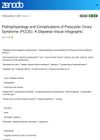
research Pathophysiology and Complications of Polycystic Ovary Syndrome (PCOS): A Stepwise Visual Infographic
PCOS is influenced by genetics and lifestyle, causing hormonal imbalances and health risks like diabetes and infertility.
research MON-024 Steroid Cell Tumor, Not Otherwise Specified; A Rare Case of Hyperandrogenism
A rare ovarian tumor caused high male hormone levels, but surgery fixed it.

research Viva questions from the IJDVL
The document concludes that various skin conditions have specific characteristics and treatments, and highlights the importance of vitamin D in managing these dermatological issues.
research The Hair-An Syndrome: A Report of a Misdiagnosed Case with Unfortunate Outcome
A misdiagnosed case of HAIR-AN syndrome led to unnecessary surgeries and highlighted the importance of correct diagnosis and treatment.

research Approach to androgen excess in women: Clinical and biochemical insights
The document concludes that a systematic approach is crucial to identify causes of androgen excess in women beyond the most common cause, Polycystic ovary syndrome (PCOS).
research Physiopathology of polycystic ovary syndrome in endocrinology, metabolism and inflammation
PCOS involves hormonal imbalance, cysts, and ovulation issues, affecting health and increasing disease risks.