Search
for
Sort by
Research
30-60 / 1000+ resultsresearch ODAC Votes No on IntraDose Injectible Cisplatin/Epinephrine Gel for Head and Neck Cancer
The committee decided not to approve the drug due to low effectiveness and high risks.

research Introduction to this second series of Biometals webinars, The biology of mammalian multi-copper ferroxidases, Arsenic antibiotics: old and new
Some bacteria use arsenic compounds as antibiotics, and others have evolved resistance; a particular arsenic-based compound shows potential as a new antimalarial treatment.
research Polyphenolization:Hair Browning by Phenolic Adhesion,Ambient Oxygen, and Transition Metals
A new hair dye method uses polyphenols and oxidation to create a long-lasting brown color on gray hair.
research The Administration of Ocoxin Increases the Quality of Life of Patients with Advanced Epithelial or Metastatic Ovarian Cancer Undergoing Neoadjuvant Chemotherapy
Ocoxin improves quality of life for advanced ovarian cancer patients on chemotherapy.
research Topical spermine and putrescine stimulated DNA synthesis in the hairless mouse epidermis
Topical putrescine and spermine increased DNA synthesis in hairless mouse skin.
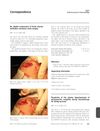
research Resolution of the plantar hyperkeratosis of pachyonychia congenita during chemotherapy for Ewing sarcoma
Chemotherapy improved a girl's painful foot condition linked to pachyonychia congenita.
research Crude extracts and essential oil of Platycladus orientalis (L.) Franco: a source of phenolics with antioxidant and antibacterial potential as assessed through a chemometric approach
Platycladus orientalis essential oil and ethanol extracts can be effective natural antioxidants and antibacterial agents.
research Conversion of C57Bl/6 mice from a tumor promotion–resistant to a –sensitive phenotype by enhanced ornithine decarboxylase expression
Increased ODC expression makes normally tumor-resistant mice more prone to tumor development.
research Deep eutectic solvent-mediated local delivery of Cacumen Platycladi essential oil against androgenetic alopecia
Using a special solvent can make Cacumen Platycladi essential oil more effective for treating hair loss.

research In vivo and in vitro evaluation of hair growth potential of Cacumen Platycladi, and GC-MS analysis of the active constituents of volatile oil
Cacumen Platycladi oil promotes hair growth better than minoxidil.
research Treatment of Exogenous Ochronosis With Advanced Fluorescence Technology
Advanced fluorescence technology effectively treats skin discoloration from certain creams.
research Synthesis and anticancer activity evaluation of Novel 6 mercaptopurine derivatives.
Compound 1 showed promising anticancer activity.
research peri ‐Xanthenoxanthene (PXX): a Versatile Organic Photocatalyst in Organic Synthesis
PXX is an effective and affordable photocatalyst for creating new chemical bonds in organic synthesis.
research The protoporphyrin IX dimethyl ester incorporated soy lecithin for photoinactivation of fluconazole-resistant Candida albicans
research Anthracycline analogs The past, present, and future
Epirubicin is as effective as doxorubicin for cancer treatment with less heart damage, but doesn't work on doxorubicin-resistant cancers.
research TICE salvage chemotherapy treats germ-cell tumors effectively
TICE salvage chemotherapy is effective for treating germ-cell tumors with poor prognosis.
research A Definitive Role of Ornithine Decarboxylase in Photocarcinogenesis
Inhibiting ODC can prevent UV-induced skin cancer.
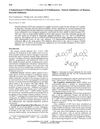
research 2-Substituted 4-(Thio)chromenone 6-O-Sulfamates: Potent Inhibitors of Human Steroid Sulfatase
New compounds were made that block an enzyme linked to breast cancer better than existing treatments.
research Adhesion Failure of External Hair Cuticles Caused by Prussian Blue: Possible Electrochemical Roles of Sulfur and Cystine
Prussian Blue causes hair cuticles to detach, weakening the hair.
research Docetaxel, cisplatin and 5-fluorouracil in patients with locally advanced unresectable head and neck cancer: a phase I–II feasibility study
The treatment combining docetaxel, cisplatin, and 5-FU is feasible and effective for advanced head and neck cancer.
research Circumventing Mukaiyama oxidation: selective S–O bond formation via sulfenamide–alcohol coupling
A new, efficient method creates sulfinimidate esters from sulfenamides and alcohols without metals.

research Biotransformation of Cacumen platycladi Extract by Lactiplantibacillus plantarum CCFM1348 Promotes Hair Growth in Mice
Biotransformed Cacumen platycladi extract promotes hair growth in mice.
research Olorofim Effectively Eradicates Dermatophytes In Vitro and In Vivo
Olorofim effectively treats fungal skin infections.
research Synthesis of Cu 4 O 3 nanoparticles using pumpkin seed extract: Optimization, antimicrobial, and cytotoxicity studies
Pumpkin seed extract can create copper oxide nanoparticles with potential antibacterial and cancer-fighting properties.
research The Synthesis of 2,2-BIS(1-INDOL-3-YL)Acenaphthylene-1(2)-Ones Using Nanocatalysis: Fluorescent Sensing for Cu2+ Ions
A new compound was made to detect copper ions effectively.
research In vitroinvestigation of the follicular penetration of porcine ear skin using a nanoparticle-emulsion containing the antiseptic polihexanide
Antiseptic particles penetrate deeper into hair follicles than non-antiseptic ones.
research Copper−Doxorubicin as a Nanoparticle Cargo Retains Efficacy with Minimal Toxicity
Copper-doxorubicin nanoparticles effectively treat tumors with less toxicity.
research 085 Coordinate expressions of cyclin-dependent kinase inhibitors and high sulfur protein in human hair follicles
research Enzyme-triggered on-demand release of a H2O2-self-supplying CuO2@Fe3O4 nanoagent for enhanced chemodyamic antimicrobial therapy and wound healing
A new nanoagent effectively kills bacteria and speeds up wound healing.