 1 citations
,
May 2025 in “International Journal of Applied Pharmaceutics”
1 citations
,
May 2025 in “International Journal of Applied Pharmaceutics” The nanogel with Bangkal bark extract effectively fights acne-causing bacteria.
January 2024 in “Faculty of 1000 Research Ltd” Tazarotene gel may be more effective for acne than adapalene gel.
March 2015 in “DergiPark (Istanbul University)” PUVA treatment is effective and safe for alopecia areata.
 4 citations
,
January 2018 in “Cosmetics”
4 citations
,
January 2018 in “Cosmetics” Spin traps like PBN could protect skin from pollution and sunlight in cosmetics but need more research for safe use.
2 citations
,
June 2023 in “Clinical Cosmetic and Investigational Dermatology” Using a dexpanthenol ointment after micro-needling speeds up skin healing without affecting benefits.
December 2025 in “Journal of Cosmetic Dermatology” The new treatment improved keratosis pilaris symptoms and mood in 28 days.
1 citations
,
January 2017 in “International journal of trichology” Diphenylcyclopropenone (DPCP) effectively treated both alopecia areata and verruca vulgaris.
18 citations
,
December 2005 in “Journal of Medicinal Chemistry” A brominated phenoxy compound effectively inhibits a human enzyme and shows potential for clinical use.
 August 2025 in “Journal of Cosmetic Dermatology”
 Topical treatments and lasers can improve axillary hyperpigmentation, but no best method is established yet.
466 citations
,
June 2009 in “Experimental dermatology” We now understand more about what causes acne and this could lead to better, more personalized treatments.
 10 citations
,
January 2017 in “Expert Opinion on Pharmacotherapy”
10 citations
,
January 2017 in “Expert Opinion on Pharmacotherapy” The conclusion is that more research is needed to better understand and treat adult acne, and that patient education and simple treatment plans are important for better results.
 1 citations
,
July 2023 in “Biomimetics”
1 citations
,
July 2023 in “Biomimetics” A new hair treatment using a natural polyphenol complex improves hair strength, reduces static, and protects against UV damage.
March 2019 in “Reactions Weekly”  March 2011 in “Focus on surfactants”
 Several companies launched new hair care ingredients in 2011 to improve conditioning, color retention, combability, and heat protection.
1 citations
,
January 2023 in “Journal of Clinical Medicine” Minoxidil can cause a skin reaction called ALEP.
 7 citations
,
April 2009 in “Bioorganic & Medicinal Chemistry Letters”
7 citations
,
April 2009 in “Bioorganic & Medicinal Chemistry Letters” Diphenyl ethers can potentially reduce excess oil production when applied on the skin, helping treat conditions like acne.
September 2025 in “Frontiers in Pharmacology” The gel shows strong potential for effectively treating pressure ulcers.
 1 citations
,
September 2024 in “Jurnal Ilmiah JKA (Jurnal Kesehatan Aeromedika)”
1 citations
,
September 2024 in “Jurnal Ilmiah JKA (Jurnal Kesehatan Aeromedika)” Red galangal rhizome extract is effective against acne-causing bacteria.
25 citations
,
September 2005 in “Journal of Investigative Dermatology Symposium Proceedings” Adding zinc to pyrithione zinc improves its effectiveness against scalp conditions like dandruff.
September 2023 in “Journal of the American Academy of Dermatology” January 2026 in “Journal of Aesthetic Nursing” Polynucleotides improve skin quality and are safe and effective for rejuvenation.
 June 2024 in “International journal of nanomedicine”
 Azelaic acid micro/nanocrystals, especially with ultrasound and salicylic acid, greatly improve acne treatment.
 25 citations
,
January 2005 in “Pediatric Dermatology”
25 citations
,
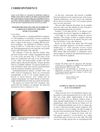
January 2005 in “Pediatric Dermatology” Methotrexate effectively treated a 2-year-old's generalized pustular psoriasis without side effects.
 11 citations
,
November 2013 in “Skin Pharmacology and Physiology”
11 citations
,
November 2013 in “Skin Pharmacology and Physiology” Azelaic Acid is effective and safe for treating adult female acne, with few side effects.
3 citations
,
April 2024 in “Molecular Human Reproduction” Paxillin may help manage androgen-related disorders like PCOS by stabilizing androgen receptor proteins.
4 citations
,
April 2025 in “Antioxidants” Alpha-ketoglutarate protects rabbit skin cells from oxidative damage by activating a specific cell pathway.
11 citations
,
August 1948 in “Journal of Investigative Dermatology” Calcium pantothenate therapy improved symptoms of discoid lupus erythematosus without side effects.
 33 citations
,
October 2013 in “Journal of The American Academy of Dermatology”
33 citations
,
October 2013 in “Journal of The American Academy of Dermatology” Pioglitazone usually doesn't effectively treat or cure lichen planopilaris.
Combining pentoxifylline with corticosteroids improves alopecia areata treatment.
 9 citations
,
November 2021 in “Frontiers in Cell and Developmental Biology”
9 citations
,
November 2021 in “Frontiers in Cell and Developmental Biology” PBX1 helps reduce aging and cell death in hair follicle stem cells by decreasing DNA damage, not by improving DNA repair.