 1 citations
,
May 2024 in “Cureus”
1 citations
,
May 2024 in “Cureus” Lichen planopilaris can unusually affect only the face, causing pigmentation and scarring.
1 citations
,
January 1986 in “PubMed” The boy's symptoms suggest a possible new medical condition.
 August 2022 in “Frontiers in genetics”
 A new genetic change in the DSC3 gene is linked to a rare condition causing hair loss and skin blisters in a child.
 January 2022 in “Yonago Acta Medica”
 A woman got a skin condition from misusing a steroid cream, which improved after she stopped using it and started a new treatment.
39 citations
,
January 1998 in “Dermatology” Milia, SM, and EVHC may be related conditions, not separate ones.
The document concludes that various skin conditions have specific treatments and that adequate calcium intake may prevent osteoporosis.
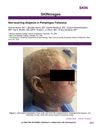 January 2026 in “SKIN The Journal of Cutaneous Medicine”
 Rituximab treatment led to complete hair regrowth and improved skin in a woman with pemphigus foliaceus.
February 2026 in “Clinical Cosmetic and Investigational Dermatology” Actinic prurigo cheilitis can occur in elderly Asians and can be treated with hydrocortisone cream and sun protection.
 April 2023 in “International journal of dermatology and venereology”
 Dermoscopic features can help identify and differentiate types of pityriasis versicolor.
 3 citations
,
September 2021 in “Experimental and Therapeutic Medicine”
3 citations
,
September 2021 in “Experimental and Therapeutic Medicine” Early diagnosis of Keratosis pilaris atrophicans faciei can lead to better, personalized treatments.
February 2010 in “Emergency Medicine News” The woman has Discoid Lupus Erythematosus and needs specialist care.
 4 citations
,
July 2014 in “International Journal of Dermatology”
4 citations
,
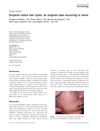
July 2014 in “International Journal of Dermatology” Twins had rare skin cysts likely due to genetics.
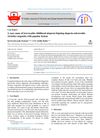 September 2022 in “IP Indian journal of clinical and experimental dermatology”
 An 8-year-old girl has a rare genetic disorder causing complete, irreversible hair loss and skin bumps.
January 2014 in “ACTA SCIENTIAE VETERINARIAE” The cat's skin condition was resistant to treatment and did not improve.
9 citations
,
October 2015 in “Journal of Cutaneous Pathology” Erythematous papulopustular eruptions in cancer patients using EGFR inhibitors show specific skin changes that vary with severity and treatment type.

A rare skin condition in a 17-year-old was diagnosed late, stressing the need for careful evaluation and genetic testing.
 8 citations
,
September 2016 in “The American Journal of Dermatopathology”
8 citations
,
September 2016 in “The American Journal of Dermatopathology” Enlarged sweat gland ducts may indicate scarring hair loss.
July 1974 in “Archives of dermatology” The woman's widespread skin condition did not improve despite various treatments.
October 2022 in “Amplla Editora eBooks” Skin symptoms like rashes and hives can help identify COVID-19 early.
 July 2022 in “Dermatology Reports”
 A rare scalp condition called Erosive pustular dermatosis is hard to diagnose and treat.
 24 citations
,
March 2015 in “Best Practice & Research in Clinical Obstetrics & Gynaecology”
24 citations
,
March 2015 in “Best Practice & Research in Clinical Obstetrics & Gynaecology” Some skin conditions are common during pregnancy and can be safely treated without affecting the pregnancy outcome.
 30 citations
,
May 2005 in “Pediatric dermatology”
30 citations
,
May 2005 in “Pediatric dermatology” Some families have a genetic condition where they are born with irregular scalp defects.
 May 2025 in “The Journal of Rheumatology”
 A woman with skin and joint issues progressed from one type of lupus to another, highlighting the need to recognize complex conditions.
84 citations
,
March 2002 in “The Journal of Dermatology” Steatocystoma multiplex is a skin condition starting around age 26, linked to hair follicles, and related to eruptive vellus hair cysts.
June 2018 in “Journal of the American Veterinary Medical Association” Three related Persian cats have a rare, likely hereditary skin condition causing hair loss and poor coat quality, with limited treatment options.
January 2007 in “Linchuang pifuke zazhi” A 15-year-old boy had a rare skin growth on his buttock.

Brunsting-Perry pemphigoid can cause scarring hair loss and may be underdiagnosed.
 17 citations
,
August 1983 in “Australasian Journal of Dermatology”
17 citations
,
August 1983 in “Australasian Journal of Dermatology” The review says skin conditions with sterile pustules need more research for better treatments.
 August 2024 in “Journal of Marine Medical Society”
 Dermoscopy helps diagnose skin issues and warns against unqualified treatments.
16 citations
,
August 2017 in “Lupus” Chronic cutaneous lupus erythematosus should be considered when acne treatments don't work.