100 citations
,
August 2022 in “Microbial Cell Factories” Balancing skin microbiota is crucial for healthy skin and treating skin diseases.
 September 2023 in “International Journal of Cosmetic Science”
 Both shampoos increased scalp germ numbers but did not change the overall microbial community composition.
2 citations
,
November 2025 in “British Journal of Pharmacology” Daprodustat, combined with PAβN, could be a new antibacterial treatment.
 November 2024 in “Fermentation”
 Fermented ginsenosides from kimchi bacteria may promote hair growth better than finasteride.
12 citations
,
March 2022 in “Antioxidants” Encapsulated tamarillo polyphenols in cubosomes improve yoghurt's nutrition and stability.
 5 citations
,
June 2024 in “Cureus”
5 citations
,
June 2024 in “Cureus” PCOS is linked to changes in vaginal bacteria, with fewer good bacteria and more harmful ones.
 17 citations
,
September 2020 in “Journal of Endocrinological Investigation”
17 citations
,
September 2020 in “Journal of Endocrinological Investigation” Post-finasteride patients show changes in gut bacteria, possibly causing various symptoms.
January 2011 in “한국미생물·생명공학회지” Fermented extracts may help hair growth.
5 citations
,
January 2024 in “Fermentation” The new placenta-derived liquid improves skin moisture better than traditional extracts.
8 citations
,
July 2025 in “Gels” Functionalized hydrogels can help heal tissues and fight infections by delivering beneficial bacteria and antimicrobials.
 2 citations
,
January 2023 in “Plants”
2 citations
,
January 2023 in “Plants” Plant bioactive compounds are important for health and can help prevent various diseases.
January 2026 in “Biocell” Gut microbiota-derived exosomes could be effective natural carriers for targeted drug delivery in personalized medicine.
7 citations
,
January 2025 in “Current Issues in Molecular Biology” Microbial-derived polydeoxyribonucleotide is a better and more sustainable alternative to salmon-based versions for healing and immune support.
 October 2025 in “Progress In Microbes & Molecular Biology”
 PCOS is linked to gut bacteria changes, suggesting gut-focused treatments might help.
1 citations
,
June 2025 in “Fermentation” Lactic acid bacteria fermentation boosts the health benefits of Radix Angelica gigas.
3 citations
,
November 2022 in “Molecules/Molecules online/Molecules annual” The substances improved hair regrowth and protected hair cells in humans and mice.
January 1980 in “Lluc: revista de cultura i d'idees” Agaricus bisporus β-Glucan particles could effectively treat cervical cancer and offer antimicrobial and antioxidant benefits.
2 citations
,
June 2025 in “Biomolecules” Microbiome analysis, BEVs, and AI can improve PCOS diagnosis and treatment.
February 2026 in “Middle European Scientific Bulletin” Improving scalp microbiome may help restore hair and improve scalp health.
 January 2020 in “Asian Journal of Basic Science & Research”
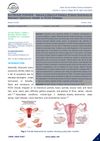
 Nutrease powder, a high-protein, low-carb supplement, can help manage Polycystic Ovary Syndrome symptoms, regulate periods, improve ovulation, and restore fertility.
March 2026 in “Journal of Enzyme Inhibition and Medicinal Chemistry” PROTACs show promise in cancer treatment by effectively degrading specific harmful proteins.
2 citations
,
January 2018 in “Elsevier eBooks” Probiotics and dietary changes can help treat acne.
 5 citations
,
April 2023 in “BMC Microbiology”
5 citations
,
April 2023 in “BMC Microbiology” Shampoo with heat-killed Lacticaseibacillus paracasei GMNL-653 improves scalp health and hair growth by changing scalp bacteria.
4 citations
,
January 1886 1 citations
,
January 1886  May 2024 in “Journal of Agricultural and Food Chemistry”
 Biotransformed Cacumen platycladi extract promotes hair growth in mice.
 April 2020 in “Estudo & Debate”
 The compounding pharmacy in Venâncio Aires generally follows good practices, with only the Paracetamol sample showing significant microbial growth.
January 2026 in “Methods in molecular biology” Using PMA treatment before sequencing helps accurately identify living microbes on the scalp.