29 citations
,
March 2022 in “Biomedicines” Enhancing antioxidant responses can improve treatments for various diseases.
26 citations
,
January 2024 in “Gels” Nanoemulgels could effectively treat skin diseases and may replace or complement current therapies.
20 citations
,
January 2022 in “REVIEWS ON ADVANCED MATERIALS SCIENCE” Nanoparticles can make cosmetics more effective but have challenges like cost and safety.
15 citations
,
January 2020 in “ILAR Journal” Nonhuman primates are valuable in research but their natural health variations can complicate study results.
8 citations
,
November 2025 in “Journal of Translational Medicine” Targeted protein degradation could improve cancer treatment by effectively targeting the Wnt pathway.
1 citations
,
November 2011 in “British journal of pharmacology” Enzymes are classified into six types and are essential for many biological processes, with only a few targeted by drugs.
 March 2026 in “Biomedicines”
 New treatments like biologics and JAK inhibitors show promise for severe scalp inflammation when traditional methods fail.
January 2026 in “Regenerative Biomaterials” Advanced hydrogels can autonomously deliver drugs to treat radiation skin injuries, but challenges remain for clinical use.
 February 2023 in “Vaccines”
 COVID-19 may harm male reproductive health and lower testosterone levels, potentially affecting fertility and causing erectile dysfunction. More research is needed.
18 citations
,
February 2024 in “ACS Polymers Au” Silk fibroin shows promise for wound care but faces challenges in becoming widely available.
9 citations
,
September 2019 in “PLoS ONE” K42 and K124 keratins are only found in horse hoof lamellae.
Linalool in personal care products may worsen frontal fibrosing alopecia by damaging hair follicle stem cells and triggering harmful immune responses.
1 citations
,
April 2016 in “Journal of Investigative Dermatology” Targeting specific T cells may help treat alopecia areata.
September 2025 in “Journal of the American Academy of Dermatology”  April 2023 in “Journal of Investigative Dermatology”
 Being allergic to linalool, a common fragrance ingredient, might contribute to developing frontal fibrosing alopecia.
November 2025 in “Journal of Investigative Dermatology” BTNL2 helps protect hair follicles from immune attacks.
12 citations
,
August 2013 in “Journal of Dermatological Science” The MAGE3 hypothesis for alopecia areata did not lead to a significant breakthrough.
1 citations
,
April 2008 in “Experimental Dermatology” Hidradenitis suppurativa may mainly affect vellus hair follicles, not terminal ones.
84 citations
,
May 2008 in “Biological Chemistry” Human tissue kallikreins help regulate skin barrier functions and affect skin health.
 1 citations
,
August 2023 in “Journal of cutaneous pathology”
1 citations
,
August 2023 in “Journal of cutaneous pathology” The analysis of a large pilomatricoma revealed five distinct areas with different gene activity related to hair growth and tumor development.
 64 citations
,
December 2012 in “Stem Cell Reviews and Reports”
64 citations
,
December 2012 in “Stem Cell Reviews and Reports” Human hair follicle cells can be turned into stem cells similar to embryonic stem cells.
 27 citations
,
April 2011 in “International journal of legal medicine”
27 citations
,
April 2011 in “International journal of legal medicine” In situ DNA labeling in hair can help predict forensic DNA analysis success.
211 citations
,
February 1994 in “Proceedings of the National Academy of Sciences” Too much parathyroid hormone-related protein in skin disrupts hair growth in mice.
 13 citations
,
December 2008 in “Veterinary dermatology”
13 citations
,
December 2008 in “Veterinary dermatology” A rabbit with sebaceous adenitis was effectively treated with ciclosporin and medium-chain triglycerides.
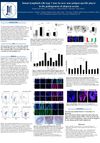
Innate lymphoid cells type 1 may contribute to alopecia areata by damaging hair follicles.
 33 citations
,
September 2007 in “Veterinary dermatology”
33 citations
,
September 2007 in “Veterinary dermatology” Topical 0.1% tacrolimus significantly improved ear infections in cats.
 10 citations
,
January 2014 in “BioMed research international”
10 citations
,
January 2014 in “BioMed research international” Rat whisker cells can help turn other cells into nerve cells and might be used to treat brain injuries or diseases.
1 citations
,
January 1987 in “PubMed” The treatment helped promote hair growth in men with androgenetic alopecia.
September 2024 in “Journal of Investigative Dermatology” VIP reduces hair pigmentation by decreasing melanin production.
Frontal hair in male pattern baldness shows reduced growth and thickness.