November 2025 in “F1000Research” Certain fungi may contribute to hair loss in cynomolgus macaques.
December 2025 in “Journal of Cell Communication and Signaling” Vitamin D receptor is crucial for hair health and may help treat hair loss.
 February 2024 in “The Open dermatology journal”
 Alopecia Areata affects people of all ages worldwide, is likely caused by genetic and environmental factors, and can lead to stress and depression, highlighting the need for treatments that address both physical and mental health.
 April 2025 in “Journal of Investigative Dermatology”
 High LH levels cause hair loss by damaging and aging hair follicles.
68 citations
,
May 2024 in “International Journal of Molecular Sciences” Personalized acne treatments and new therapies show promise for better results.
1 citations
,
January 2020 in “Bioscientia medicina” Female pattern hair loss is common, worsens with age, and requires long-term treatment to manage.
 October 2024 in “Our Dermatology Online”
 Mitochondrial dysfunction links metabolic syndrome and inflammatory skin diseases, suggesting targeted therapies and lifestyle changes.
Traditional Chinese Medicine, combined with antiandrogen therapy, could improve treatment and reduce side effects for genetic hair loss.
134 citations
,
July 2020 in “Experimental dermatology” Hair follicles are normally protected from the immune system, but when this protection fails, it can cause hair loss in alopecia areata.
February 2026 in “Health Science Reports” Understanding acne medication chemistry helps doctors treat acne better.
 April 2025 in “International Journal of Molecular Sciences”
 New treatments for hair loss show promise with advanced therapies and better targeting.
1 citations
,
December 2020 in “International journal of molecular sciences” External factors can cause skin cancer cells that usually don't spread to grow and form tumors in mice.
 January 2024 in “Endocrine and metabolic science”
 Different types of PCOS need specific diagnosis methods and treatments.
50 citations
,
January 2008 in “International Journal of Antimicrobial Agents” Alpha-blockers are recommended first for recent CP/CPPS, while antimicrobials are not advised for long-term cases.
31 citations
,
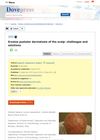
July 2021 in “ImmunoTargets and therapy” Alopecia areata is an incurable autoimmune condition causing hair loss, with research aiming for better treatments.
 13 citations
,
September 2019 in “Clinical, Cosmetic and Investigational Dermatology”
13 citations
,
September 2019 in “Clinical, Cosmetic and Investigational Dermatology” Early treatment of EPDS can improve outcomes and reduce recurrence risk.
3 citations
,
April 2011 in “Klinische Pädiatrie” Immunosuppression therapy with methylprednisolone effectively treats childhood alopecia areata.
2 citations
,
May 2025 in “Pharmaceutics” Exosomes could improve skin health and treat skin diseases, but more research is needed.
 1 citations
,
January 2023 in “Deleted Journal”
1 citations
,
January 2023 in “Deleted Journal” PCOS negatively affects women's quality of life, especially if not detected early.
 February 2026 in “International Journal of Molecular Sciences”
 Targeting mitochondria can improve skin healing and rejuvenation.
 April 2005 in “Dermatologic Clinics”
 The document summarizes recent dermatological treatments and advances in areas like pediatric care, wound healing, skin closure, light-based therapies, pigment disorders, hair loss, immunotherapy, infection management, melanoma, drug reactions, and facial rejuvenation.
127 citations
,
April 1999 in “Journal of Investigative Dermatology” Rodent models helped understand psoriasis but none perfectly replicated the disease.
 September 2022 in “Ciencia Unemi”
 More clinical trials are needed to confirm if plant-based products can effectively treat COVID-19.
 11 citations
,
October 2021 in “Frontiers in Cell and Developmental Biology”
11 citations
,
October 2021 in “Frontiers in Cell and Developmental Biology” Non-coding RNAs are important for hair growth and could lead to new hair loss treatments, but more research is needed.
11 citations
,
December 2010 in “American journal of transplantation” Some patients developed hair loss after islet cell transplant possibly due to their immune-suppressing medications.
194 citations
,
October 2018 in “Microbiome” Acne is linked to complex skin microbe interactions, and new findings suggest microbiome-based treatments could be effective.
 26 citations
,
July 2019 in “Dermatology and Therapy”
26 citations
,
July 2019 in “Dermatology and Therapy” The conclusion is that genetic testing is important for diagnosing and treating various genetic hair disorders.
19 citations
,
July 2024 in “Drug Delivery” Polymer-based nanocarriers can improve acne treatment by delivering drugs through hair follicles more effectively.
5 citations
,
April 2025 in “Journal of the European Academy of Dermatology and Venereology” Control inflammation and prevent further hair loss in folliculitis decalvans using medications and therapies.
January 2026 in “Burns & Trauma” RNA modifications help heal wounds and could lead to new treatments.