41 citations
,
November 2015 in “The journal of investigative dermatology. Symposium proceedings/The Journal of investigative dermatology symposium proceedings” Diphenylcyclopropenone (DPCP) can help regrow hair in many alopecia areata patients but may cause side effects and relapses.
December 2004 in “Annales d Urologie” Finasteride may reduce prostate cancer risk.
 September 2022 in “JAAD case reports”
 The man has a genetic skin condition called pachyonychia congenita.
January 2023 in “Zenodo (CERN European Organization for Nuclear Research)” PCOS is a major health issue affecting multiple hormone-producing organs.
 15 citations
,
January 2019 in “Gynecological Endocrinology”
15 citations
,
January 2019 in “Gynecological Endocrinology” The article concludes that global standardization in PCOS research is crucial for accurate diagnosis and understanding of the condition.

The project improved provider knowledge about PCOS but didn't significantly change diagnosis and management practices.
 April 2024 in “Indian Scientific Journal Of Research In Engineering And Management”
 PCOS affects many women and requires early detection and symptom management.
1 citations
,
January 2017 in “International journal of trichology” Diphenylcyclopropenone (DPCP) effectively treated both alopecia areata and verruca vulgaris.
4 citations
,
April 2012 in “The journal of investigative dermatology/Journal of investigative dermatology” Krt16-deficient mice help understand skin disorders like PC and FNEPPK.
138 citations
,
August 2020 in “Frontiers in Endocrinology” PCOS affects health and quality of life, with effective treatments available and a need for more research on alternative therapies.
September 2025 in “Anti-Aging Eastern Europe” PCOS requires comprehensive, lifelong care addressing both visible and hidden health issues.
 12 citations
,
March 2015 in “Pediatric Dermatology”
12 citations
,
March 2015 in “Pediatric Dermatology” Early diagnosis and treatment of PCOS in young people is important to prevent long-term health problems.
PCOS is a complex condition that can lead to serious health issues, but early diagnosis and treatment can reduce these risks.
 May 2023 in “Journal of Student Research”
 Creating specific biological indicators is important for early detection and treatment of PCOS.
 16 citations
,
December 2017 in “Journal of Pediatric and Adolescent Gynecology”
16 citations
,
December 2017 in “Journal of Pediatric and Adolescent Gynecology” Different diagnostic criteria greatly affect PCOS diagnosis rates in teenagers.
4 citations
,
January 2024 in “Allergy” Everyone has an immune response to PPD, but reactions differ, causing tolerance, mild inflammation, or allergy.
 53 citations
,
January 2011 in “Diabetes”
53 citations
,
January 2011 in “Diabetes” People with PCNT mutations often develop severe insulin resistance and early-onset diabetes during childhood or adolescence.
 March 2026 in “Cleveland Clinic Journal of Medicine”
 PCOS diagnosis and management have improved with new guidelines for personalized care.
 January 2025 in “International Journal of Trichology”
 Combining DPCP with PRP doesn't improve hair regrowth in alopecia areata.
1 citations
,
August 2024 in “Journal of Pharmacy & Pharmaceutical Sciences” The DPCP/HPβCD complex improves solubility and anti-inflammatory effects for alopecia areata treatment.
254 citations
,
March 2023 in “Diagnostics” The guidelines suggest reconsidering PCOS criteria for better diagnosis and care.
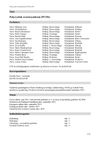 September 2015 in “University of Southern Denmark Research Portal (University of Southern Denmark)”
 The guideline offers recommendations for diagnosing and managing PCOS and its complications.
 March 1998 in “Journal of dermatological science”
 Diphencyprone initially increases mouse hair growth, then slows it, possibly due to changes in specific protein levels.
 January 2025 in “The Journal of Clinical Endocrinology & Metabolism”
 Diagnosing PCOS is challenging due to its complex and varied symptoms.
15 citations
,
November 2024 in “EClinicalMedicine” The roadmap calls for better research and funding to improve PCOS diagnosis, treatment, and health outcomes.
 2 citations
,
December 2014 in “Journal of primary health care”
2 citations
,
December 2014 in “Journal of primary health care” Most women with polycystic ovary syndrome were first diagnosed by their family doctor, who may need to record symptoms better and rely less on ultrasounds.
 June 2023 in “Journal of cosmetic dermatology”
 Both DPCP alone and with PRP are effective and safe for treating severe alopecia areata.
61 citations
,
September 1994 in “Journal of Medical Genetics” Pachyonychia congenita is linked to a keratin gene on chromosome 17.
 15 citations
,
February 2015 in “Cell & tissue research/Cell and tissue research”
15 citations
,
February 2015 in “Cell & tissue research/Cell and tissue research” P-cadherin is important for hair growth and health, and its problems can cause hair and skin disorders.
 5 citations
,
October 2019 in “The journal of investigative dermatology/Journal of investigative dermatology”
5 citations
,
October 2019 in “The journal of investigative dermatology/Journal of investigative dermatology” The research linked PLCD1 gene variants to the development of trichilemmal cysts.