 15 citations
,
January 2019 in “Gynecological Endocrinology”
15 citations
,
January 2019 in “Gynecological Endocrinology” The article concludes that global standardization in PCOS research is crucial for accurate diagnosis and understanding of the condition.
 15 citations
,
January 2015 in “Clinical and Experimental Reproductive Medicine”
15 citations
,
January 2015 in “Clinical and Experimental Reproductive Medicine” Taiwanese women with PCOS experience different symptoms based on age, with younger women facing more hormone imbalances and older women dealing with more metabolic issues.
 13 citations
,
March 2019 in “Physiological Research”
13 citations
,
March 2019 in “Physiological Research” Overweight women with PCOS have higher levels of certain hormones that could indicate a higher risk of heart and metabolic problems.
 13 citations
,
August 2018 in “Taiwanese Journal of Obstetrics & Gynecology”
13 citations
,
August 2018 in “Taiwanese Journal of Obstetrics & Gynecology” AMH is a good marker for diagnosing PCOS, but global standards are needed.
 13 citations
,
January 2014 in “Dermatology”
13 citations
,
January 2014 in “Dermatology” Radiation-induced alopecia after angioembolization usually heals on its own and can look like other hair loss types, but patient history helps prevent misdiagnosis.
 8 citations
,
March 2010 in “Gynecological Endocrinology”
8 citations
,
March 2010 in “Gynecological Endocrinology” Free Testosterone Index, bioavailable testosterone, and androstenedione are the most accurate for diagnosing excess male hormones in PCOS.
 7 citations
,
January 2024 in “Medicinska istrazivanja”
7 citations
,
January 2024 in “Medicinska istrazivanja” PCOS causes hormonal imbalances, irregular periods, and can lead to infertility, obesity, and mental health issues.
 5 citations
,
March 2015 in “Women's Health”
5 citations
,
March 2015 in “Women's Health” The document concludes that diagnosing PCOS requires a thorough approach, considering various symptoms and risks, and calls for improved methods to identify PCOS types and prevent diabetes.
 4 citations
,
October 2024 in “Cureus”
4 citations
,
October 2024 in “Cureus” PCOS may increase the risk of high blood pressure and heart issues.
 4 citations
,
January 2019 in “Clinical Chemistry”
4 citations
,
January 2019 in “Clinical Chemistry” Diagnosing Polycystic Ovary Syndrome is hard due to varying symptoms, no set criteria, and the need for better tests and education.
 October 2025 in “International Journal of Innovative Research in Technology”
 Certain natural ingredients and lifestyle changes can help manage PCOS symptoms by balancing hormones and improving insulin sensitivity.
 August 2025 in “Advances in Therapy”
 Physicians in China prioritize clinical hyperandrogenism in PCOS treatment, but clearer guidelines are needed.
 March 2025 in “Pakistan Journal of Scientific & Industrial Research Series A Physical Sciences”
 Personalized management and lifestyle changes are key to effectively managing PCOS.
 January 2025 in “International Journal for Research Trends and Innovation”
 PCOS management benefits from combining traditional herbs, modern medicine, and lifestyle changes.
 October 2024 in “Journal of the Endocrine Society”
 Hirsutism in young girls can have causes other than PCOS, so diagnoses should be reassessed if treatments don't work.
 April 2024 in “Canadian Women s Health Today”
 PCOS treatment focuses on lifestyle changes and specific medications to manage symptoms and complications.
 December 2023 in “Frontiers in endocrinology”
 Excess androgens may cause PCOS, not just be a symptom.
 October 2023 in “Frontiers in endocrinology”
 Effective PCOS treatments require targeting specific signaling pathways.
 January 2023 in “International journal of medical science and health research”
 Anovulatory PCOS patients are younger with longer cycles and higher blood pressure and hormone levels.
 September 2022 in “Skin appendage disorders”
 Seborrheic dermatitis may contribute to the development of central centrifugal cicatricial alopecia.
 August 2020 in “International research journal of pharmacy”
 Lifestyle changes and medication can improve the quality of life for women with PCOS by reducing complications.
 November 2017 in “Elsevier eBooks”
 PCOS is a genetic disorder affecting women's reproductive health, with treatments focused on symptoms like insulin resistance and fertility.
 2 citations
,
December 1994 in “The Journal of clinical endocrinology and metabolism/Journal of clinical endocrinology & metabolism”
2 citations
,
December 1994 in “The Journal of clinical endocrinology and metabolism/Journal of clinical endocrinology & metabolism” The treatment effectively reduced hair growth and was safe for patients with PCOS, but it needs better bleeding control.
 January 2024 in “Wiadomości Lekarskie”
 Point of Care in radiology speeds up diagnosis and treatment by performing tests where the patient is.
 467 citations
,
October 2014 in “European Journal of Endocrinology”
467 citations
,
October 2014 in “European Journal of Endocrinology” The European Society of Endocrinology advises individualized long-term management for PCOS, focusing on lifestyle changes, accurate diagnosis, and treatments for associated health risks and symptoms.
 308 citations
,
December 2018 in “PLOS Genetics”
308 citations
,
December 2018 in “PLOS Genetics” The research found that PCOS has common genetic factors regardless of how it is diagnosed and is linked to metabolic and reproductive issues.
 257 citations
,
July 2018 in “Obstetrics & Gynecology”
257 citations
,
July 2018 in “Obstetrics & Gynecology” PCOS is a complex disorder in women that can lead to various health risks and requires personalized treatment.
 195 citations
,
November 2019 in “Clinica Chimica Acta”
195 citations
,
November 2019 in “Clinica Chimica Acta” High levels of male hormones, insulin resistance, and obesity are closely linked and worsen polycystic ovary syndrome, but more research is needed to improve treatments.
 117 citations
,
May 2017 in “Human Reproduction Update”
117 citations
,
May 2017 in “Human Reproduction Update” The update highlights that non-classic congenital adrenal hyperplasia is common in women with excess male hormones, requires specific hormone tests for diagnosis, and has various treatment options depending on age and symptoms.
 111 citations
,
October 2008 in “Nature Genetics”
111 citations
,
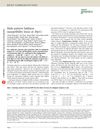
October 2008 in “Nature Genetics” Researchers found a new gene area linked to male-pattern baldness, which, along with another gene, significantly increases the risk of hair loss in men.