 7 citations
,
May 2016 in “European Polymer Journal”
7 citations
,
May 2016 in “European Polymer Journal” The new nanocarriers improve how well water-insoluble drugs dissolve and allow for controlled drug release.
36 citations
,
May 2005 in “BMC dermatology” DPCP is effective for treating severe alopecia areata, but relapse is common.
8 citations
,
January 2019 in “JAAD Case Reports” EPDS can cause recurring scalp sores and hair loss if not treated.
2 citations
,
January 2016 in “Gynecological Endocrinology” A hidden autoimmune syndrome was found during a shock, showing thyroid, adrenal, and ovarian issues.
85 citations
,
May 2009 in “Hippocampus” Progesterone helps adult male mice grow more neurons and improves memory.
 June 2024 in “British Journal of Dermatology”
 KRT14 gene variants cause dermatopathia pigmentosa reticularis, affecting nails, teeth, and hair.
May 2024 in “Journal of the Egyptian Womenʼs Dermatologic Society” Diphenylcyclopropenone is effective and safe for treating severe alopecia areata in children, with maintenance therapy reducing relapse risk.
 2 citations
,
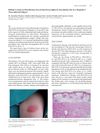
January 2007 in “Acta Dermato Venereologica”
2 citations
,
January 2007 in “Acta Dermato Venereologica” A patient developed a blister at the injection site after hepatitis C treatment.
 1 citations
,
May 2019 in “Cytotherapy”
1 citations
,
May 2019 in “Cytotherapy” The new ddPCR method reliably detects unwanted viruses in CAR-T cell products, ensuring their safety for patients.
7 citations
,
January 2025 in “Current Issues in Molecular Biology” Microbial-derived polydeoxyribonucleotide is a better and more sustainable alternative to salmon-based versions for healing and immune support.
42 citations
,
May 1997 in “The Journal of Biochemistry” PAD type III enzyme is specific to rat skin and hair follicles.
April 2025 in “Journal of Biophotonics” PBM therapy improves mitochondrial function and promotes tissue regeneration in dental pulp stem cells.
17 citations
,
October 2023 in “Molecules” Plant-derived PDRN from ginseng roots effectively heals skin and improves its barrier.
 April 2016 in “The journal of investigative dermatology/Journal of investigative dermatology”
 RPGRIP1L helps skin cells stick together by blocking PKCβII, which can prevent skin blistering like in pemphigus.
 July 2026 in “International Journal of Applied Pharmaceutics”
 Hair dyes, especially with PPD, can cause skin and rare systemic reactions, and safer alternatives are needed.
 1 citations
,
December 2022 in “Life”
1 citations
,
December 2022 in “Life” Topical corticosteroids are the main treatment for Erosive Pustular Dermatosis, but recurrence is common after stopping treatment.

DOPE:DOPC liposomes can improve targeted cancer drug delivery, reducing side effects and increasing effectiveness.
27 citations
,
December 1997 in “Archives of Dermatological Research” Rat dermal papilla cells have unique properties and interact differently with their environment compared to other skin cells.
 December 2025 in “Zenodo (CERN European Organization for Nuclear Research)”
 Current drug safety systems fail to detect long-term side effects, leading to preventable health issues.
31 citations
,
February 1972 in “Experientia” The diphosphonate was the most effective at preventing calcification in rats.
97 citations
,
December 2011 in “New England Journal of Medicine” The FDA did not approve certain drugs for prostate cancer prevention due to concerns about their effectiveness and potential risks.
22 citations
,
March 1999 in “International Journal of Clinical Practice” Diphencyprone (DCP) is an effective treatment for severe alopecia areata and resistant warts, with some risks.
April 2018 in “The Journal of Urology” Phosphodiesterase inhibitors like tadalafil can reduce cell growth in BPH caused by CD8+ T cells in low androgen conditions.
26 citations
,
January 1992 in “Carcinogenesis” TPA strongly increases ODC activity in certain skin cells, potentially aiding tumor growth.
 July 2023 in “Media Dermato Venereologica Indonesiana”
 Corticosteroids effectively treated a 60-year-old man's skin condition.
 April 2023 in “The journal of investigative dermatology/Journal of investigative dermatology”
 Prostaglandin E2 helps prevent hair loss from radiotherapy by protecting hair growth cells and aiding self-repair.
 April 2019 in “Journal of Investigative Dermatology”
 DPP4-positive fibroblasts play a major role in producing proteins that lead to skin fibrosis.
 June 2023 in “Journal of cosmetic dermatology”
 Both DPCP alone and with PRP are effective and safe for treating severe alopecia areata.
16 citations
,
January 2023 in “Regenerative Biomaterials” The scaffold with polydopamine and bioactive glass effectively promotes bone regeneration.
 April 2023 in “Journal of Investigative Dermatology”
 Treprostinil, a drug, can delay wound healing in healthy cells but doesn't affect diabetic foot ulcer cells, suggesting further research could help understand its role in treating these ulcers.