 9 citations
,
January 2023 in “Dermatology and therapy”
9 citations
,
January 2023 in “Dermatology and therapy” A 14-year-old girl with severe hair loss regrew her hair using upadacitinib.
3 citations
,
August 2019 in “PubMed” Topical corticosteroid foams are effective, safe, and easy to use for treating various skin conditions.
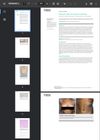
Follicular atopic dermatitis in dark skin can look different, making diagnosis harder.
January 2025 in “Dermatology Review” Advancements in dermatology are improving diagnosis, treatment options, and patient care.
 1 citations
,
September 2023 in “Meditsinskiy sovet = Medical Council”
1 citations
,
September 2023 in “Meditsinskiy sovet = Medical Council” Combining NB-UVB 311 nm therapy with standard treatment improves hair regrowth in children with alopecia areata and atopic dermatitis.
7 citations
,
July 2021 in “JAAD case reports” Dupilumab may help treat alopecia areata in children with atopic dermatitis, but it can also cause new hair loss.
November 2024 in “SKIN The Journal of Cutaneous Medicine” Patients with anxiety or depression report more severe alopecia areata.
 August 2023 in “Clinical and experimental dermatology and therapies”
 Dupilumab may help hair regrowth in some patients with severe atopic dermatitis, but results vary.
 April 2024 in “Journal of asthma and allergy”
 Abrocitinib effectively treated severe atopic dermatitis and mild alopecia areata in a 12-year-old boy after dupilumab failed.
December 2007 in “Pediatrics in review” Some CAM therapies help with pediatric atopic dermatitis, but more research is needed.
35 citations
,
November 2022 in “The Journal of Dermatology” Alopecia areata is becoming more common in Japan, with a need for better treatments, especially for severe and pediatric cases.
 11 citations
,
October 2016 in “Pediatric dermatology”
11 citations
,
October 2016 in “Pediatric dermatology” Stopping the use of fluocinolone oil containing balsam fragrance improved hair regrowth in children allergic to it.
 6 citations
,
August 1991 in “Pediatric Clinics of North America”
6 citations
,
August 1991 in “Pediatric Clinics of North America” The document concludes that various hair and scalp disorders in children have specific treatments and proper diagnosis is essential.
Preventive measures and education can reduce common skin disorders in children.
 January 2016 in “Journal of the turkish academy of dermatology”
 Acne was the most common skin problem in kids, with other conditions like warts and eczema also frequent, varying by age and gender.
 February 2026 in “Journal of Drugs in Dermatology”
 Dupilumab helped a 13-year-old regrow hair after alopecia totalis.
 September 2009 in “Pediatric Dermatology”
 UVB is good for a skin condition in Asian kids, a lotion works for head lice, a drug helps with a skin blistering disorder, a foam reduces itchiness in skin inflammation, birthmarks can be more widespread, and criteria for a neurocutaneous disorder were agreed upon.
 8 citations
,
May 2010 in “Dermatologic clinics”
8 citations
,
May 2010 in “Dermatologic clinics” New treatments for skin conditions in children include a preferred drug for birthmark reduction, proactive creams for eczema and vitiligo, a safe psoriasis medication, and special tissues and socks for eczema and fungal infections.
4 citations
,
March 2025 in “Pediatric Dermatology” Pediatric alopecia areata needs more research to understand its characteristics and related conditions.
3 citations
,
November 2023 in “Pediatric Transplantation” Topical treatments and skin care improve transplant-related atopic dermatitis in children.
 September 2017 in “Pediatric Dermatology”
 The document concludes that an experimental drug may help wound healing in Epidermolysis Bullosa, links Hydroa vacciniforme to EBV, discusses diagnosing hair loss disorders, finds many children with eczema have allergies, reviews the safety of a skin medication in children, notes side effects of a Duchenne's treatment, and identifies a marker for pediatric mastocytosis.
December 2017 in “Annales de dermatologie et de vénéréologie” In 2017, pediatric dermatology advanced with new treatments and insights into various skin conditions in children.
 March 2014 in “Pediatric Clinics of North America”
 The document discusses how to identify and manage common skin conditions in children.
August 2024 in “JAAD Case Reports” Upadacitinib successfully regrew hair in a child with alopecia universalis and specific genetic mutations.
 July 2003 in “Pediatrics in review”
 In 2001, the FDA approved 12 new drugs for children to treat allergies, asthma, ADHD, birth control, and other conditions.
Lasers and light therapy are effective for treating skin conditions like hair loss, vitiligo, psoriasis, and molluscum contagiosum.
 June 2025 in “Saratov Medical Journal”
 Ongoing research and innovation are crucial for improving skin care and treatment.
 May 2010 in “Dermatologic Clinics”
 The document concludes that new treatments for skin conditions are complex but effective, including spironolactone for female hair loss and propranolol for infantile hemangiomas.
 February 2012 in “Australasian Journal of Dermatology”
 Some moles can disappear naturally, maintenance therapy for Stage 1 mycosis fungoides may not be necessary, allergic skin reactions in children are rising, weekly methotrexate for psoriasis is more effective than daily, long-term finasteride use improves hair growth with few side effects, and petrolatum improves UV therapy for psoriasis.
16 citations
,
September 2004 in “Pediatric dermatology” Children and adolescents with allergies tend to have longer eyelashes.