 April 2026 in “International Journal of Drug Delivery Technology”
 Natural compounds from Ayurvedic herbs may effectively treat dandruff and promote hair growth.
 April 2026 in “Research Square”
 Trichoscopy is reliable for diagnosing different types of frontal non-scarring hair loss.
 February 2026 in “Journal of Dermatology and Skin Science”
 Dermatologists are key in detecting and managing OCD and BFRBs by working with psychiatrists.
 January 2026 in “Forum Dermatologicum”
 JAK inhibitors and combination therapies show promise for treating severe alopecia areata.
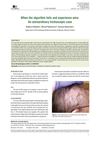 January 2026 in “Forum Dermatologicum”
 Thorough hair examination is crucial for accurate diagnosis and treatment.

Higher cannabis exposure may lead to increased hair loss.
 January 2026 in “Frontiers in Digital Health”
 Motion-graphic videos improve patient understanding more than verbal explanations for platelet-rich plasma therapy.
 January 2026 in “MEDS Clinical Medicine”
 Plum-blossom needle therapy shows promise for treating hair loss but needs more research.
 December 2025 in “TURKDERM”
 Facial trichostasis spinulosa is a chronic condition with significant cosmetic impact, especially in young women.
 December 2025 in “Reports of Morphology”
 Men with alopecia areata have different body fat distribution compared to healthy men.
 November 2025 in “Frontiers in Pharmacology”
 64 drugs can cause hair loss, needing better monitoring and updated labels.
 November 2025 in “The Journal of Medical Sciences”
 Intralesional triamcinolone is more effective than cryotherapy for treating alopecia areata in middle-aged adults.
 October 2025 in “Pakistan Journal of Health Sciences”
 Low serum ferritin is linked to hair loss in women.
 September 2025 in “Meditsinskiy sovet = Medical Council”
 Atopic dermatitis significantly increases the risk of alopecia areata, especially in children.
 September 2025 in “Journal of Dermatology Research Reviews & Reports”
 Rigenera® effectively improves hair condition in Androgenetic Alopecia, and HairMetrix® tracks progress well.
 July 2025 in “Pharmaceutical Sciences & Analytical Research Journal”
 Herbal treatments for hair loss show promise but need more research to confirm their safety and effectiveness.
 July 2025 in “International Journal of Dermatology Venereology and Leprosy Sciences”
 Higher stress levels may worsen alopecia areata, suggesting stress management is important for treatment.
 July 2025 in “Health Sciences”
 A 7-year-old girl with non-scarring alopecia will have hair follicle transplantation to improve her quality of life.

Trichoscopy is a valuable tool for accurately diagnosing scalp conditions without invasive procedures.
 April 2025 in “Egyptian journal of Immunology”
 Calprotectin levels are higher in alopecia areata patients, indicating systemic inflammation.
 March 2025 in “Meditsinskiy sovet = Medical Council”
 Diffuse telogen alopecia is temporary hair loss treated by addressing the root cause and improving scalp health.
 March 2025 in “Pain Physician”
 Cooling the skin before injections reduces pain for patients with hair loss.
 January 2025 in “SKIN The Journal of Cutaneous Medicine”
 Calcipotriol's effectiveness for treating alopecia areata is unclear and needs more research.

PRP can improve hair growth in androgenetic alopecia, but results vary.

Herbal therapies for alopecia show promise but need more research for safety and effectiveness.

Polarized microscopy helps identify hair irregularities in genetic disorders.
 January 2025 in “Trepo - Institutional Repository of Tampere University”
 Alopecia areata significantly harms women's self-image, causing reduced confidence and social isolation.
 January 2025 in “International Journal of Dermatology Venereology and Leprosy Sciences”
 Current treatments for alopecia areata can help hair grow but don't cure the disease.
 December 2024 in “Texila international journal of public health”
 Trichoscopy effectively diagnoses and monitors cicatricial alopecias, reducing the need for biopsies.
 October 2024 in “Journal of Education Health and Sport”
 Alopecia areata treatment should be personalized, using topical or systemic therapies based on severity, with promising options like JAK inhibitors needing more research.