52 citations
,
April 2000 in “International Journal of Dermatology” Tinea capitis in Benghazi mainly affects children under 10, with Trichophyton violaceum as the leading cause.
1 citations
,
November 2022 in “Journal of Investigative Dermatology” ALRN-6924 may prevent hair loss caused by chemotherapy.

DiluCap improves how quickly minoxidil and finasteride dissolve and controls the release of melatonin and naltrexone.
 21 citations
,
January 1988 in “Critical Care Medicine”
21 citations
,
January 1988 in “Critical Care Medicine” Critically ill patients may experience temporary hair loss after a fever.
 26 citations
,
February 2020 in “Frontiers in genetics”
26 citations
,
February 2020 in “Frontiers in genetics” The CORT, FGF5, and CD36 genes are crucial for the cold weather adaptation of Yanbian cattle.
5 citations
,
January 2000 Pododermatitis in farmed mink is likely caused by an unknown infectious agent with secondary bacterial infection.
January 2013 in “Touro Scholar (Touro College)” DPCP works best for alopecia areata, but more research is needed for better treatments.
46 citations
,
January 2002 in “Paediatric drugs” Tinea capitis, a scalp fungal infection in children, is best treated with newer antifungal agents for shorter periods.
 156 citations
,
September 2014 in “British journal of dermatology/British journal of dermatology, Supplement”
156 citations
,
September 2014 in “British journal of dermatology/British journal of dermatology, Supplement” Accurate diagnosis and effective oral treatment are key to managing tinea capitis and preventing its spread.
 20 citations
,
January 2013 in “Evidence-based complementary and alternative medicine”
20 citations
,
January 2013 in “Evidence-based complementary and alternative medicine” TGPC plus CGT is effective and safe for treating severe alopecia areata in children.
January 2008 in “Journal of Practical Medical Techniques” Microencapsulated cells can regenerate hair follicles in rat ears.
11 citations
,
March 2012 in “Actas Dermo-Sifiliográficas” Tinea capitis is increasingly common in elderly women and requires accurate diagnosis with fungal cultures for effective treatment.
 August 2025 in “Tropical Journal of Natural Product Research”
 The combination of mint and Aloe vera serum may help reduce hair loss from chemotherapy.
October 2025 in “Journal of Drug Delivery Science and Technology” Resveratrol-loaded carriers may help reduce hair loss from chemotherapy when used with scalp cooling.
 July 2025 in “Current Treatment Options in Oncology”
 Scalp cooling helps prevent hair loss during chemotherapy, and minoxidil aids regrowth.
 11 citations
,
April 2020 in “Life sciences”
11 citations
,
April 2020 in “Life sciences” Pantothenic acid helps mink hair follicles grow by affecting certain cell signals.
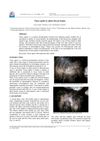
An adult Libyan woman was successfully treated for a rare scalp infection usually seen in children.
 January 2023 in “Our Dermatology Online”
 An old recipe called "Champigny Saumure" might help treat a rare scalp condition.
 3 citations
,
April 2021 in “Berkala ilmu kedokteran/Journal of the medical sciences”
3 citations
,
April 2021 in “Berkala ilmu kedokteran/Journal of the medical sciences” A fungus called Epidermophyton floccosum can cause scalp infections.
3 citations
,
April 2023 in “Veterinary sciences” Researchers found genes that may explain why some pigs grow winter hair, which could help breed cold-resistant pigs.
 6 citations
,
November 2018 in “Photodiagnosis and Photodynamic Therapy”
6 citations
,
November 2018 in “Photodiagnosis and Photodynamic Therapy” A wearable cap-like device using light therapy reduced scalp skin lesions by 71% and was painless.
5 citations
,
June 2016 in “JAMA Dermatology” People with hair loss should use strong sun protection to prevent scalp skin cancer.
 21 citations
,
January 2015 in “Oncology Research and Treatment”
21 citations
,
January 2015 in “Oncology Research and Treatment” Scalp cooling can prevent hair loss in 65% of chemotherapy patients, especially effective in breast cancer patients and certain chemotherapy types.
 3 citations
,
January 2018 in “Biomedical dermatology”
3 citations
,
January 2018 in “Biomedical dermatology” Green tea extract helps prevent cell death and supports cell survival in hair cells exposed to a chemotherapy drug.
37 citations
,
October 2010 in “JDDG Journal der Deutschen Dermatologischen Gesellschaft” Griseofulvin is the best treatment for tinea capitis in children, but more research is needed on other treatments and safety.
April 2003 in “Journal of Clinical Dermatology” Capsaicin and minoxidil together lead to quick, steady hair growth.
15 citations
,
December 2018 in “International journal of environmental research and public health/International journal of environmental research and public health” EGCG may help treat alopecia areata by blocking certain immune responses and reducing specific harmful immune cells.
 2 citations
,
June 2003 in “International Journal of Acarology”
2 citations
,
June 2003 in “International Journal of Acarology” Researchers found a new mite species causing severe hair loss and skin problems in yellow-bellied marmots.
11 citations
,
March 2016 in “PubMed” Tinea capitis in adults is best treated with oral terbinafine, but other medications may be needed for resistant infections, and family and pets should be checked to prevent reinfection.
Low-temperature extracts of black beans, peony, and green tea improve scalp health and are better than traditional hot-water extracts.