62 citations
,
June 2023 in “Acta Dermato Venereologica” People with skin diseases feel more stigmatized than those without.
2 citations
,
May 2025 in “The Journal of Dermatology” Alopecia areata causes significant stigma and emotional distress, with many affected individuals not receiving adequate support or treatment.
1 citations
,
June 2025 in “The Journal of Dermatology” Alopecia areata significantly affects mental health and quality of life, with many feeling stigma and few receiving adequate treatment.
May 2026 in “Acta Dermato Venereologica” Stress is often linked to alopecia areata, and education can help patients cope better.
1 citations
,
September 2023 in “Journal of the American Academy of Dermatology” Increasing social support and acceptance can reduce self-stigma in alopecia areata patients.
October 2025 in “Journal of the European Academy of Dermatology and Venereology” People often have negative attitudes towards facial skin conditions, with vitiligo seen most positively and psoriasis viewed most negatively.
 8 citations
,
March 2019 in “Progress in Human Geography”
8 citations
,
March 2019 in “Progress in Human Geography” Hair significantly shapes body identity and social interactions, influencing how we perceive and relate to our bodies.
 64 citations
,
May 2003 in “Journal of health psychology”
64 citations
,
May 2003 in “Journal of health psychology” Women with excess body hair feel psychological distress influenced by societal beauty standards, but distress isn't directly linked to the amount of hair.
 March 2026 in “Journal of Community Genetics”
 Stigma against people with albinism in Africa harms their health, education, and safety, and needs to be addressed with awareness and better healthcare.
 June 2003 in “Plastic and Reconstructive Surgery”
 People with facial disfigurements are judged more negatively, highlighting the social benefits of corrective surgery.
 20 citations
,
November 2013 in “The Open Cancer Journal”
20 citations
,
November 2013 in “The Open Cancer Journal” Hair loss from cancer treatment is very distressing for women due to its impact on self-image and social stigma.
 1 citations
,
January 2013 in “International Journal of Trichology”
1 citations
,
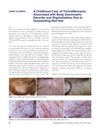
January 2013 in “International Journal of Trichology” A girl with red hair developed hair-pulling and body image disorders after being bullied for her hair color.
38 citations
,
March 2021 in “JAMA Dermatology” People often have negative attitudes toward those with alopecia, especially if it's severe or seen as a medical issue.
12 citations
,
September 2024 in “Journal of the European Academy of Dermatology and Venereology” Targeting psychosocial factors can help reduce self-stigma in people with chronic skin diseases.
8 citations
,
May 2025 in “British Journal of Dermatology” Alopecia areata impacts mental well-being more due to perceptions and stigma than disease severity.
March 2025 in “Acta Dermato Venereologica” Stigmatization and quality of life in people with alopecia are influenced by gender and sociodemographics, suggesting a need for better support.
 2 citations
,
July 2021 in “Journal of The American Academy of Dermatology”
2 citations
,
July 2021 in “Journal of The American Academy of Dermatology” People with alopecia who are more resilient tend to feel less stressed.
3 citations
,
July 2024 in “Journal of Health Psychology” Baldness is often stigmatized, causing distress for many men, but some accept it with minimal distress.
April 2023 in “International Journal of Women's Dermatology” Spironolactone is safe for breast cancer survivors with alopecia and does not increase cancer risk.
1 citations
,
October 2025 in “Colorectal Disease” Early-onset colorectal cancer requires better physician awareness, risk-based screening, and stigma reduction to improve patient experiences.
 November 2025 in “Frontiers in Psychiatry”
 People with androgenetic alopecia often experience more anxiety, depression, and lower self-esteem.
 August 2024 in “Nutrition Bulletin”
 GLP-1 receptor agonists help with weight loss but need to be combined with other treatments for best results.
 40 citations
,
June 2023 in “Dermatology and Therapy”
40 citations
,
June 2023 in “Dermatology and Therapy” Alopecia Areata causes emotional stress and stigma, but those with severe hair loss may adapt better.
8 citations
,
June 2023 in “British Journal of Dermatology” The SAAD-41 scale effectively measures the psychosocial impact of alopecia areata.
 2 citations
,
June 2024 in “Sociological research and innovation”
2 citations
,
June 2024 in “Sociological research and innovation” Unmarried women with PCOS in Pakistan face stigma and use various strategies to cope, needing better support and accurate information.
 January 2017 in “Acta dermato-venereologica”
 The congress showed that psychological therapy can help skin condition patients, social media affects acne stigma, education improves atopic dermatitis, and patient satisfaction in dermatology is high, especially with good doctor engagement.
 December 2019 in “Buletin de psihiatrie integrativă”
 Skin treatments can improve both skin health and emotional well-being, but they require careful management of patient expectations and potential addiction risks.
1 citations
,
June 2025 in “International Journal of Molecular Sciences” Hirsutism in GCC countries is influenced by genetics, obesity, and lifestyle, with cultural stigma delaying treatment, highlighting the need for tailored health strategies.
 February 2026 in “Journal of Dermatology and Skin Science”
 Dermatologists are key in detecting and managing OCD and BFRBs by working with psychiatrists.
 18 citations
,
June 1988 in “Culture, medicine and psychiatry”
18 citations
,
June 1988 in “Culture, medicine and psychiatry” The perception of excessive hair growth in women as abnormal is more influenced by cultural norms than by medical reasons.