 July 2022 in “Research Square (Research Square)”
 Lower PPARγ levels and specific gene variations are linked to more severe Frontal Fibrosing Alopecia.
 December 2015 in “Vascular Pharmacology”
 Hair papilla cells are crucial for blood vessel development in hair follicles, affecting hair growth and loss.
 339 citations
,
February 2014 in “Journal of The American Academy of Dermatology”
339 citations
,
February 2014 in “Journal of The American Academy of Dermatology” Most patients with frontal fibrosing alopecia are postmenopausal women, and treatments like finasteride and dutasteride can improve or stabilize the condition.
 36 citations
,
December 2017 in “Journal of the American Academy of Dermatology”
36 citations
,
December 2017 in “Journal of the American Academy of Dermatology” Most patients with frontal fibrosing alopecia stabilized with treatment, especially younger ones, using intralesional corticosteroids and tacrolimus.
 33 citations
,
January 2015 in “Journal of Cosmetic Dermatology”
33 citations
,
January 2015 in “Journal of Cosmetic Dermatology” Familial frontal fibrosing alopecia affects premenopausal women too, and early diagnosis is important, but no proven medication exists yet.
 21 citations
,
March 2019 in “Experimental Dermatology”
21 citations
,
March 2019 in “Experimental Dermatology” Immune cells around hair follicles help control hair growth and could be targets for treating hair disorders.
 18 citations
,
November 2012 in “Australasian Journal of Dermatology”
18 citations
,
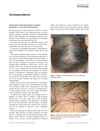
November 2012 in “Australasian Journal of Dermatology” A 66-year-old man with a rare case of male frontal fibrosing alopecia did not regrow hair despite treatment.
 13 citations
,
January 2018 in “International Journal of Dermatology”
13 citations
,
January 2018 in “International Journal of Dermatology” The study found that treatment improved hair condition in patients with Fibrosing Alopecia in a Pattern Distribution in Chile.
 12 citations
,
January 2017 in “Skin appendage disorders”
12 citations
,
January 2017 in “Skin appendage disorders” Two patients with skin lupus were mistakenly thought to have a different scalp condition but improved with lupus treatment.
 7 citations
,
January 2019 in “Australasian Journal of Dermatology”
7 citations
,
January 2019 in “Australasian Journal of Dermatology” A genetic marker linked to a type of hair loss was found in most patients studied.
 May 2026 in “Scholars Journal of Medical Case Reports”
 Intralesional betamethasone and oral hydroxychloroquine improved hair loss in a woman with frontal fibrosing alopecia.

Microneedling may improve quality of life and reduce inflammation in frontal fibrosing alopecia.

Frontal fibrosing alopecia can be managed with personalized combination therapies, but no cure exists yet.
 September 2019 in “Actas dermo-sifiliográficas/Actas dermo-sifiliográficas”
 Isotretinoin at low doses effectively treats facial papules in frontal fibrosing alopecia.

Antimalarial agents are effective for LPP, and intralesional steroids are effective for FFA.
 December 2015 in “Actas Dermo-Sifiliográficas”
 Hair transplantation for Frontal Fibrosing Alopecia may work if the disease is inactive for 2 years and with ongoing treatment to maintain results.
 April 2018 in “Journal of Investigative Dermatology”
 Macrophages are more involved in Lichen planopilaris than in Frontal fibrosing alopecia.
 30 citations
,
January 2020 in “Journal of The American Academy of Dermatology”
30 citations
,
January 2020 in “Journal of The American Academy of Dermatology” Fibrosing alopecia in a pattern distribution is a hair loss condition often confused with other types, requiring early treatment but usually not resulting in significant hair regrowth.
 May 2024 in “International Seven Journal of Multidisciplinary”
 More research is needed to better understand and treat Fibrosing Frontal Alopecia.
 1 citations
,
April 2024 in “Dermatology Practical & Conceptual”
1 citations
,
April 2024 in “Dermatology Practical & Conceptual” Hair loss in male frontal fibrosing alopecia may spare areas covered by a wristwatch.

Adipocytes in atopic dermatitis skin change and worsen inflammation and fibrosis.
 1 citations
,
July 2018 in “Journal of dermatology & cosmetology”
1 citations
,
July 2018 in “Journal of dermatology & cosmetology” Hyaluronic acid successfully treated skin atrophy caused by corticosteroid injections.
July 2024 in “Clinical Case Reports” Recognizing rare hair loss patterns in young females can improve understanding and treatment.
May 2025 in “Skin Appendage Disorders” Frontal fibrosing alopecia can be diagnosed by examining facial areas and treated with specific medications to stop its progression.
 18 citations
,
July 2018 in “Skin appendage disorders”
18 citations
,
July 2018 in “Skin appendage disorders” Trichoscopy helps diagnose hair and scalp disorders in dark-skinned people by identifying unique patterns.
8 citations
,
July 2017 in “The journal of investigative dermatology/Journal of investigative dermatology” Certain microRNAs might help identify and understand Frontal Fibrosing Alopecia.
4 citations
,
March 2024 in “Journal of the American Academy of Dermatology” Clinical signs don't match inflammation levels in lichen planopilaris and frontal fibrosing alopecia.
 August 2021 in “Case Reports”
 A woman thought to have rosacea was actually suffering from Frontal Fibrosing Alopecia, a hair loss condition. Despite treatment, her condition didn't change, showing the importance of accurate early diagnosis.
 July 2018 in “Elsevier eBooks”
 Lichen Planopilaris is a hair loss condition best treated early with various medications, including hydroxychloroquine, to prevent permanent baldness.
 73 citations
,
November 2005 in “Journal of Investigative Dermatology Symposium Proceedings”
73 citations
,
November 2005 in “Journal of Investigative Dermatology Symposium Proceedings” Some women with common hair loss may develop permanent hair loss.