October 2024 in “Journal of Cutaneous Pathology” Compound follicles in folliculitis decalvans mainly have active hair follicles.
 13 citations
,
March 2011 in “British Journal of Dermatology”
13 citations
,
March 2011 in “British Journal of Dermatology” A woman with scalp lymphoma and hair loss improved with radiotherapy, highlighting the need for biopsies in similar cases.
2 citations
,
December 2018 Alopecia frontal fibrosante affects facial vellus hair and can be diagnosed with dermatoscopy.
April 2019 in “Journal of Investigative Dermatology” Targeting immune pathways like JAK/STAT may help treat frontal fibrosing alopecia.
2 citations
,
December 2023 in “International Journal of Dermatology” A unique type of hair loss mimics another condition but has minimal inflammation and specific immune cells present.
1 citations
,
April 2022 in “Clinical Cosmetic and Investigational Dermatology” Topical treatment improved rare scalp lichen amyloidosis.
36 citations
,
January 2000 in “British journal of dermatology/British journal of dermatology, Supplement” A mother and daughter had severe skin, hair, and eye issues linked to IFAP.
7 citations
,
June 2009 in “Journal of the European Academy of Dermatology and Venereology” Basement membrane changes in lichen planopilaris cause scarring and permanent hair loss.
1 citations
,
January 2020 in “Skin Appendage Disorders” Treatment with methotrexate and prednisolone led to complete hair regrowth and no relapse for 2 years.
January 2022 in “Clinical dermatology review” A girl with a rare skin condition called Keratosis Follicularis Spinulosa Decalvans showed no significant improvement with treatment.
 9 citations
,
January 2020 in “Skin appendage disorders”
9 citations
,
January 2020 in “Skin appendage disorders” Hair loss from conditions like LPP and FFA can potentially be reversed with the right treatment.
 166 citations
,
April 2012 in “Journal of The American Academy of Dermatology”
166 citations
,
April 2012 in “Journal of The American Academy of Dermatology” Mostly postmenopausal Caucasian women get Frontal Fibrosing Alopecia, which often includes eyebrow loss and has limited treatment success.
 2 citations
,
July 2022 in “Frontiers in Medicine”
2 citations
,
July 2022 in “Frontiers in Medicine” The cause of Frontal fibrosing alopecia, a type of hair loss, is complex, likely involving immune responses and genetics, but is not fully understood.
 January 2024 in “Archives of pathology & laboratory medicine”
 New findings may help diagnose and understand scarring alopecia better.
3 citations
,
April 2011 in “Journal of the American Academy of Dermatology” A 19-year-old man had a rare skin condition on one side of his face that looked like another skin disease.
10 citations
,
September 1994 in “International Journal of Dermatology” Three Iranian men had reddish-brown facial pigmentation with no effective treatment.
 5 citations
,
March 2004 in “Journal of The American Academy of Dermatology”
5 citations
,
March 2004 in “Journal of The American Academy of Dermatology” Patients with systemic lupus erythematosus and hair loss had non-scarring alopecia with fewer hair follicles, and direct immunofluorescence did not help identify lupus.
 April 2023 in “The journal of investigative dermatology/Journal of investigative dermatology”
 Folliculotropic mycosis fungoides has unique molecular features and cell interactions that could guide targeted therapy.
46 citations
,
November 2014 in “Journal of Cutaneous Pathology” Recognizing diverse presentations of folliculotropic mycosis fungoides is crucial to avoid diagnostic errors.
 March 2026 in “Dermatology Reports”
 FFA has higher long-term remission rates than LPP.
2 citations
,
November 2023 in “Indian Dermatology Online Journal” A 4-year-old girl with a rare lupus condition was successfully treated with oral corticosteroids, leading to full recovery and hair regrowth.
 March 2004 in “Journal of The American Academy of Dermatology”
 Patients with systemic lupus erythematosus and hair loss had fewer hair follicles and non-scarring alopecia; direct immunofluorescence was not helpful in diagnosing lupus in these cases.
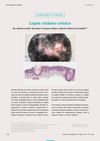 January 2024 in “Revista Dermatológica Centro Uraga”
 The patient has Chronic Cutaneous Lupus, a skin condition causing plaques and hair loss.
71 citations
,
January 2011 in “Orphanet Journal of Rare Diseases” IFAP syndrome is a rare genetic disorder causing skin, hair, and eye issues, with limited treatment options.
August 2024 in “Skin Research and Technology” TAF can be identified by excessive skin thickening and clogged hair follicles, helping distinguish it from similar skin conditions.
8 citations
,
January 2002 in “Piel” Postmenopausal women may experience frontal hairline and eyebrow loss due to cicatricial fibrosis.
 12 citations
,
October 2016 in “Anais Brasileiros de Dermatologia”
12 citations
,
October 2016 in “Anais Brasileiros de Dermatologia” Frontal Fibrosing Alopecia may be linked to autoimmune diseases like Sjögren's syndrome.
 36 citations
,
December 2017 in “Journal of the American Academy of Dermatology”
36 citations
,
December 2017 in “Journal of the American Academy of Dermatology” Most patients with frontal fibrosing alopecia stabilized with treatment, especially younger ones, using intralesional corticosteroids and tacrolimus.
Pseudopelade is likely an independent disease due to its distinct features.
30 citations
,
May 2008 in “International Journal of Dermatology” Lipedematous alopecia causes permanent hair loss due to increased scalp fat.