21 citations
,
December 2019 in “PloS one” The rat model showed early perimenopause with regular cycles and low hormones, and late perimenopause with irregular cycles and higher hormone levels.
 17 citations
,
November 2000 in “Journal of the American Pharmaceutical Association”
17 citations
,
November 2000 in “Journal of the American Pharmaceutical Association” The document concludes that low-dose oral contraceptives and hormonal therapies can manage perimenopause symptoms and reduce some health risks, but lifestyle changes and disease screening are also important.
 January 2020 in “Indian Journal of Pharmaceutical Sciences”
 Kuntai capsules combined with nilestriol tablets effectively reduce perimenopausal symptoms and improve hormone levels.
 September 2025 in “Australian Journal of Herbal and Naturopathic Medicine”
 Ashwagandha is safe and effective for reducing perimenopausal symptoms.
 4 citations
,
January 2015 in “Journal of Mid-life Health”
4 citations
,
January 2015 in “Journal of Mid-life Health” The most common skin problems in perimenopausal women in South India are infections, eczemas, and acne, possibly worsened by external factors and lifestyle practices.
January 2014 in “Healthy aging research” Polycystic ovarian disease symptoms can continue after menopause, making diagnosis and management in older women challenging.
1 citations
,
July 2025 in “Functional Foods in Health and Disease” CL22209, an Asparagus racemosus extract, safely reduces perimenopausal symptoms and balances hormones.
 88 citations
,
June 2016 in “Human Reproduction Update”
88 citations
,
June 2016 in “Human Reproduction Update” New hormonal contraceptives are safer, have fewer side effects, and offer health benefits for women.
8 citations
,
July 2022 in “Clinical and Experimental Dermatology” Menopause can cause oral health issues like dry mouth and burning sensations.
 March 2026 in “Menopause The Journal of The North American Menopause Society”
 Migraines often worsen during perimenopause, but safe treatments are available.
 21 citations
,
October 2017 in “Journal of the European Academy of Dermatology and Venereology”
21 citations
,
October 2017 in “Journal of the European Academy of Dermatology and Venereology” Various potential triggers may be causing the rise in frontal fibrosing alopecia, and avoiding these could help stop the disease's increase.
 10 citations
,
March 2016 in “Journal of The American Academy of Dermatology”
10 citations
,
March 2016 in “Journal of The American Academy of Dermatology” Antiandrogenic drugs could be a good treatment option for frontal fibrosing alopecia.
1 citations
,
June 2019 in “Current Developments in Nutrition” S-equol supplements significantly reduced menopausal symptoms in most women.
October 2008 in “Trace Elements and Electrolytes” Tailored supplementation of calcium, magnesium, and vitamin D based on hair analysis may improve bone health.
Calcium and magnesium levels in hair decrease after taking supplements, indicating early metabolic changes in perimenopausal women.
January 2011 in “Journal of Diagnosis and Therapy on Dermato-venereology” Genetics, low estrogen, and low iron levels contribute to female hair loss, with specific scalp signs indicating severity.
 26 citations
,
June 2018 in “Australasian Journal of Dermatology”
26 citations
,
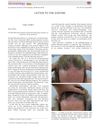
June 2018 in “Australasian Journal of Dermatology” Stopping sunscreen use on the forehead led to hair regrowth in a woman with frontal fibrosing alopecia.
 1265 citations
,
October 2013 in “The Journal of Clinical Endocrinology and Metabolism”
1265 citations
,
October 2013 in “The Journal of Clinical Endocrinology and Metabolism” The guideline suggests using specific criteria to diagnose PCOS, recommends various treatments for its symptoms, and advises screening for related health issues.
 1 citations
,
May 2017 in “Maturitas”
1 citations
,
May 2017 in “Maturitas” The document concludes that managing health issues like menopause, cardiovascular risk, and hair loss is crucial for promoting longevity in aging women.
 1 citations
,
October 2012 in “Gynäkologische Endokrinologie”
1 citations
,
October 2012 in “Gynäkologische Endokrinologie” The document concludes that proper diagnosis and individualized treatment are crucial for managing androgenization in women effectively.
 12 citations
,
March 2017 in “Journal of obstetrics and gynaecology Canada”
12 citations
,
March 2017 in “Journal of obstetrics and gynaecology Canada” Testosterone therapy can modestly improve sexual function in menopausal women but should be used cautiously and is not recommended for routine measurement in sexual dysfunction or hirsutism.
1 citations
,
March 2013 in “Journal of Dermatological Case Reports” A rare skin condition affected only the facial hair of a 46-year-old man.
Effective treatment for midlife women's hair loss is limited, with 5% minoxidil foam being the only proven option for the most common type.
January 2017 in “University journal of surgery and surgical specialities” Steroid cell tumors in ovaries are rare, can cause hormone changes, and may be cancerous.
 10 citations
,
January 2019 in “The Nurse Practitioner”
10 citations
,
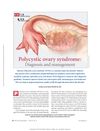
January 2019 in “The Nurse Practitioner” PCOS is a common hormonal disorder in women, treated with lifestyle changes, medication, and patient education.
 3 citations
,
January 2007 in “Elsevier eBooks”
3 citations
,
January 2007 in “Elsevier eBooks” The document concludes that individualized treatment and lifestyle changes are important for managing menopause symptoms and health risks.

Preparing and learning about menopause can improve women's quality of life as they approach this phase.
 29 citations
,
May 1998 in “Bulletin of the American College of Nurse-Midwifery”
29 citations
,
May 1998 in “Bulletin of the American College of Nurse-Midwifery” The document concludes that menopause should be seen as a natural part of aging and managed with personalized care and informed choices.
Menopause is a clear hormonal transition in women, while men experience a gradual testosterone decline, with some needing lifestyle changes and targeted therapy.
January 2026 in “Clinics in Dermatology” Managing menopause symptoms like skin changes and hair thinning involves hormone therapy, procedures, and skincare, with emotional support being important.