 October 2024 in “Journal of the Endocrine Society”
 Leydig cell tumors can cause high testosterone and symptoms in postmenopausal women, and removing them improves symptoms.
 January 2017 in “Springer eBooks”
 Over 40% of postmenopausal women experience hair loss, with treatments aiming to stop further loss and possibly thicken hair.
May 2021 in “Journal of the Endocrine Society” A woman developed male characteristics after using unregulated hormone therapy.
Finasteride may help treat hair loss in postmenopausal women.
 7 citations
,
January 2018 in “International Journal of Trichology”
7 citations
,
January 2018 in “International Journal of Trichology” Taking 5 mg/day finasteride can cause side effects in women with hair loss, but these are usually mild and fade over time, making the treatment beneficial in the long run.
 20 citations
,
October 2017 in “Clinical Endocrinology”
20 citations
,
October 2017 in “Clinical Endocrinology” The conclusion is that removing both ovaries is the best treatment for excess male hormones in postmenopausal women, with medication as another option, and managing insulin resistance is important for diagnosis and treatment.
22 citations
,
April 2012 in “Informa Healthcare eBooks” Frontal fibrosing alopecia is a type of hair loss that usually happens after menopause.
1 citations
,
January 2020 in “Bioscience Reports” Long-term use of finasteride in women can cause hormonal changes, DNA damage, and menstrual issues.
7 citations
,
May 2024 in “Acta Obstetricia Et Gynecologica Scandinavica” Severe menstrual issues in PCOS women signal higher risk for heart and metabolic problems.
 1 citations
,
September 2016 in “British Journal of Dermatology”
1 citations
,
September 2016 in “British Journal of Dermatology” Women with aging signs and heart issues have higher hair loss risk, which may predict shorter lifespan and affect attractiveness.
 40 citations
,
December 2011 in “British Journal of Dermatology”
40 citations
,
December 2011 in “British Journal of Dermatology” Women's hair generally gets thinner and less dense starting in their mid-thirties, with hair loss becoming more common as they age due to both genetics and environment.
August 2025 in “Frontiers in Endocrinology” Biochemical markers help diagnose ovarian tumors in postmenopausal women.
 17 citations
,
February 2003 in “Australasian Journal of Dermatology”
17 citations
,
February 2003 in “Australasian Journal of Dermatology” Hair loss in postmenopausal woman caused by ovarian issue.
January 2011 in “Yearbook of Endocrinology”  36 citations
,
May 2011 in “The Journal of Clinical Endocrinology & Metabolism”
36 citations
,
May 2011 in “The Journal of Clinical Endocrinology & Metabolism” Treatment with a hormone agonist can reduce excess male hormones in postmenopausal women without surgery.
16 citations
,
February 2014 in “Iranian Red Crescent Medical Journal” Polycystic Ovary Syndrome (PCOS) affects Iranian women's feelings of femininity and self-image.
January 2011 in “Zhongguo shiyong fuke yu chanke zazhi” Hormone replacement therapy improves skin health and reduces aging signs in postmenopausal women.
 2 citations
,
December 1994 in “The Journal of clinical endocrinology and metabolism/Journal of clinical endocrinology & metabolism”
2 citations
,
December 1994 in “The Journal of clinical endocrinology and metabolism/Journal of clinical endocrinology & metabolism” The treatment effectively reduced hair growth and was safe for patients with PCOS, but it needs better bleeding control.
 5 citations
,
January 2017 in “Acta Endocrinologica”
5 citations
,
January 2017 in “Acta Endocrinologica” High androgen levels in postmenopausal women may suggest an ovarian tumor, and removing it can improve heart and metabolic health.
 78 citations
,
November 2008 in “Fertility and Sterility”
78 citations
,
November 2008 in “Fertility and Sterility” Amenorrhea is relatively rare and initial testing should check FSH, TSH, and prolactin levels.
325 citations
,
June 1994 in “Archives of Dermatology” Postmenopausal frontal fibrosing alopecia may be a unique condition linked to postmenopausal changes.
 19 citations
,
May 2013 in “Annals of Oncology”
19 citations
,
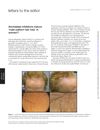
May 2013 in “Annals of Oncology” Aromatase inhibitors cause male pattern hair loss in women.
35 citations
,
July 2008 in “International Journal of Gynecology & Obstetrics” MPA improved hormonal imbalances and acne in women with PCOS without affecting metabolism.
 July 2012 in “British Journal of Dermatology”
 Women generally want more hair volume, which becomes a concern around menopause due to hair loss.
6 citations
,
June 2006 in “International Journal of Gynecological Pathology” A postmenopausal woman's hormone imbalance and symptoms improved after removing benign ovarian tumors.
April 2019 in “Journal of the Endocrine Society” Middle-aged men with unusual hot flashes should be checked for pituitary tumors.
January 2006 in “Casopís lékar̆ů c̆eských” Female hair loss is influenced by genetics and hormones, often starting in middle age or after hormonal changes.
 October 2024 in “Journal of the Endocrine Society”
 The case highlights the complexity of diagnosing high testosterone in older women and the need for thorough testing.
 April 2024 in “International Journal of Advanced Multidisciplinary Research and Studies”
 Early investigation and a team approach are crucial for managing primary amenorrhea effectively.