January 1981 in “Purdue e-Pubs (Purdue University)” Pig skin is similar to human skin, with no major changes as they age.
 13 citations
,
January 2021 in “Scientific Reports”
13 citations
,
January 2021 in “Scientific Reports” Pannexin 3 helps skin and hair growth by controlling a protein called Epiprofin.
8 citations
,
November 2020 in “Skin Research and Technology” Enlarged facial pores are denser, more contrasted, and linked to changes in skin structure and hair follicles.
1 citations
,
March 2023 in “Anais Brasileiros de Dermatologia”  November 2023 in “BMJ case reports”
 A man in his 30s had patchy hair loss on his leg due to primary follicular mucinosis.
 12 citations
,
January 2018 in “Biomaterials Science”
12 citations
,
January 2018 in “Biomaterials Science” Softer hydrogel surfaces help maintain hair growth-related functions in skin cells.
87 citations
,
June 2010 in “Stem Cell Research & Therapy” Stem cells can move to brain injury sites and be tracked, showing promise for treating brain diseases.
660 citations
,
December 2011 in “Cell” Different hair follicles in the skin are innervated by unique combinations of mechanosensory neurons, crucial for touch sensation.
22 citations
,
September 2000 in “Journal of Investigative Dermatology” μ-Crystallin may help hair growth by affecting thyroid hormone levels in mouse hair follicles.
 April 2016 in “Journal of Investigative Dermatology”
 Microneedle arrays deliver botulinum toxin effectively for sweat suppression, similar to injections.
39 citations
,
February 2011 in “American Journal of Dermatopathology” Onychomatricoma is a unique nail tumor that mimics the entire nail unit and is not related to other hair-related tumors.
August 1994 in “Journal of Dermatological Science” 5 citations
,
March 1981 in “PubMed” A girl grew extra hair in areas where she had insect bites.
 January 2025 in “Dermatology Practical & Conceptual”
 Perinevoid alopecia can be effectively treated with non-invasive corticosteroids.
 14 citations
,
September 2009 in “International Journal of Dermatology”
14 citations
,
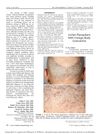
September 2009 in “International Journal of Dermatology” DCPA is a chronic leg infection often related to Staphylococcus aureus, affecting mostly young men in India.
 5 citations
,
April 2014 in “The American Journal of Dermatopathology”
5 citations
,
April 2014 in “The American Journal of Dermatopathology” Foreign-body granuloma may be a marker for late-stage Lichen Planopilaris and should be considered in diagnosis.
 February 2026 in “Nature Communications”
 A specific group of immune and skin cells may cause chronic inflammation in atopic dermatitis.
189 citations
,
May 1999 in “Microscopy Research and Technique” Neurotrophins, especially NGF, are crucial for pain development and management.
9 citations
,
October 1994 in “Brain Research” Fetal sheep develop skin nerve pathways and responses to touch and heat between 75 and 134 days of gestation.
 30 citations
,
May 2019 in “Scientific Reports”
30 citations
,
May 2019 in “Scientific Reports” Late pregnancy helps repair brain damage in rats due to the GABAergic system.
36 citations
,
January 1994 in “Cell and Tissue Research” October 2024 in “Skin Research and Technology” Pili annulati causes zebra-striped hair but doesn't affect hair strength or quality of life.
 17 citations
,
January 2011 in “Skin Research and Technology”
17 citations
,
January 2011 in “Skin Research and Technology” Hair from people with seborrheic dermatitis is thicker scaled, more damaged, and thinner than healthy hair, and atomic force microscopy can help monitor the condition.
 May 2026 in “Nature Communications”
 Targeting catecholaminergic signaling may help treat keloid scars.
 7 citations
,
August 2018 in “The American Journal of Dermatopathology”
7 citations
,
August 2018 in “The American Journal of Dermatopathology” Researchers found a new early sign of Frontal Fibrosing Alopecia that could help avoid misdiagnosis.
 5 citations
,
January 2023 in “Cell proliferation”
5 citations
,
January 2023 in “Cell proliferation” Chick embryo extract helps rat hair follicle stem cells potentially turn into Schwann cells, important for the nervous system.
 1 citations
,
March 2023 in “Frontiers in Cardiovascular Medicine”
1 citations
,
March 2023 in “Frontiers in Cardiovascular Medicine” A specific gene variant is linked to heart disease, increased heart muscle, curly hair, and thick skin on palms and soles.
January 2019 in “International Journal of Clinical & Medical Images” The patient showed signs of liver disease due to alcohol use but didn't need treatment for Dupuytren’s contracture.
June 2025 in “Neurology India” Anti-SRP myopathy can be linked to systemic lupus erythematosus and may improve with specific treatment.
 40 citations
,
February 1990 in “Journal of The American Academy of Dermatology”
40 citations
,
February 1990 in “Journal of The American Academy of Dermatology” A 17-year-old developed woolly hair nevus in adolescence, which is unusual, and over time the hair darkened and straightened slightly, but microscopic changes persisted.