2 citations
,
January 2018 Diffuse alopecia areata causes widespread hair thinning due to an autoimmune response.
July 2000 in “International Society of Hair Restoration Surgery” Finasteride is effective for treating hair loss.
 5 citations
,
June 2015 in “Veterinary dermatology”
5 citations
,
June 2015 in “Veterinary dermatology” A dog with complete hair loss regrew most hair after treatment, with no relapse after stopping treatment.
January 2004 in “Journal of Clinical Dermatology”  January 2025 in “Frontiers in Medicine”
 Hair follicles are key to treating vitiligo and alopecia areata, but challenges exist.
8 citations
,
January 2020 Alopecia areata causes patchy hair loss, and certain hair features can suggest its presence.
 19 citations
,
December 2008 in “Journal of The American Academy of Dermatology”
19 citations
,
December 2008 in “Journal of The American Academy of Dermatology” The authors suggest that a new type of hair loss exists, which is different from alopecia areata.
 42 citations
,
August 2013 in “International Journal of Women's Health”
42 citations
,
August 2013 in “International Journal of Women's Health” Female pattern hair loss is caused by multiple factors and while treatments like topical minoxidil, hormone therapy, and low-level light therapy can help, none can fully cure it.
 November 2018 in “Skin appendage disorders”
 The document concludes that a woman has both Frontal Fibrosing Alopecia and Lichen Simplex Chronicus, a previously unreported combination of conditions.
Androgenetic alopecia is common in younger adults, especially with a family history.
2 citations
,
January 1996 in “Annals of saudi medicine/Annals of Saudi medicine” Alopecia areata is unpredictable, with limited treatment effectiveness, especially in severe cases.

Androgenetic alopecia (AGA) is a common, hereditary hair loss condition that can be slowed but not permanently reversed with available therapies.
1 citations
,
December 1971 in “PubMed” 2 citations
,
November 1999 in “Journal of Cutaneous Medicine and Surgery”  11 citations
,
May 2009 in “Medical Hypotheses”
11 citations
,
May 2009 in “Medical Hypotheses” Male pattern baldness is an unintended side effect of the body's use of androgens for muscle growth, especially in those genetically prone to it.
April 2023 in “Journal of Investigative Dermatology” 3D ultrasound can detect hair follicle changes and disease phases in alopecia areata.
 1 citations
,
July 2023 in “Journal of the American Academy of Dermatology”
1 citations
,
July 2023 in “Journal of the American Academy of Dermatology” Pressure-induced hair loss is rare, often reversible, and early diagnosis is crucial to prevent complications.
 June 2026 in “Wiener klinische Wochenschrift”
 New treatments for alopecia areata show promise but need ongoing use and have infection risks.
June 2025 in “Acta Dermato Venereologica” Male pattern baldness doesn't significantly affect mental health or sexual well-being.
 September 2025 in “Journal of the American Academy of Dermatology”
 Vitiligo may be linked to stopping finasteride.
 June 1997 in “Australasian Journal of Dermatology”
 Researchers found new hair and nail genes, how hair reacts to UV, differences in white and pigmented hair growth, nerve changes in alopecia, treatments for baldness and alopecia, a toenail condition linked to a genetic disorder, and that nail fungus is more common in people with psoriasis.
 64 citations
,
June 2014 in “Journal of The American Academy of Dermatology”
64 citations
,
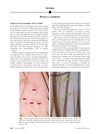
June 2014 in “Journal of The American Academy of Dermatology” Researchers found a white halo around hair in most patients with a specific type of hair loss, which helps in early diagnosis and treatment.
 146 citations
,
July 2003 in “Journal of the American Academy of Dermatology”
146 citations
,
July 2003 in “Journal of the American Academy of Dermatology” Clobetasol propionate ointment can help some people with total hair loss regrow hair.
 64 citations
,
November 2008 in “Journal of The American Academy of Dermatology”
64 citations
,
November 2008 in “Journal of The American Academy of Dermatology” A new type of rapid hair loss called ADTA usually gets better on its own within 6 months.
 4 citations
,
February 1996 in “Postgraduate Medical Journal”
4 citations
,
February 1996 in “Postgraduate Medical Journal” Finasteride linked to skin inflammation.
December 2002 in “International Journal of Cosmetic Surgery and Aesthetic Dermatology” No significant link was found between male pattern baldness and Pityrosporum fungi.
 1 citations
,
January 1967 in “The BMJ”
1 citations
,
January 1967 in “The BMJ” The document concludes that while some hair and scalp disorders can be treated, hair loss from destroyed follicles is permanent, and damaged hair can only regrow naturally.
 4 citations
,
October 2013 in “Clinics in Dermatology”
4 citations
,
October 2013 in “Clinics in Dermatology” Experts don't fully agree on how to diagnose certain hair growth disorders and more research is needed to understand them better.