 August 2023 in “Journal of The American Academy of Dermatology”
 Early treatment is key for permanent hair loss disorders, with options ranging from medications and phototherapy to immunomodulators and antibiotics, depending on severity and type.
Trichoscopic examination is crucial for diagnosing congenital triangular alopecia.
35 citations
,
January 2006 in “Dermatology Online Journal” Lipedematous scalp may be underdiagnosed and doesn't improve with finasteride.
 1 citations
,
May 1983 in “Acta dermato-venereologica”
1 citations
,
May 1983 in “Acta dermato-venereologica” Minoxidil caused hair regrowth, but cyproterone acetate did not maintain it.
37 citations
,
May 1999 in “Annals of pharmacotherapy/The annals of pharmacotherapy” Some psychotropic medications can rarely cause hair loss, and stopping these drugs usually reverses the condition.
 June 2023 in “Buletin de psihiatrie integrativă”
 Alopecia causes significant emotional distress and psychological issues, requiring combined skin and mental health treatment.
 18 citations
,
October 2012 in “Dermatologic Clinics”
18 citations
,
October 2012 in “Dermatologic Clinics” Early diagnosis and aggressive treatment are key for managing rare scalp disorders that cause permanent hair loss.
2 citations
,
January 2023 in “Skin Appendage Disorders” Beard alopecia areata causes patchy beard hair loss, often treatable with janus kinase inhibitors.
3 citations
,
November 2010 in “The Journal of Dermatology” A giant blue nevus on the scalp can cause hair loss and may damage underlying structures.
July 2004 in “TSpace (University of Toronto)” A rare case showed alopecia areata and lichen planus occurring together in one person.
15 citations
,
May 2008 in “Actas Dermo-Sifiliográficas” Postmenopausal women with hair loss should get proper tests and consider treatments like minoxidil.
 22 citations
,
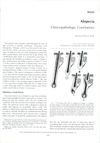
June 1980 in “International Journal of Dermatology”
22 citations
,
June 1980 in “International Journal of Dermatology” The document concludes that correct diagnosis of alopecia types is crucial, scalp biopsies are important, and more research is needed.
 April 2016 in “Journal of The American Academy of Dermatology”
 The study found that severe alopecia areata affects any age, treatments often give temporary results, and some factors predict worse outcomes.
 February 2024 in “Journal of cutaneous and aesthetic surgery”
 The combined treatment helps improve severe hair loss and reduces the need for other medications.
 March 2025 in “Cosmetics”
 Combining treatments works best for early hair loss, while transplants are best for severe cases.
 1 citations
,
April 2016 in “Journal of The American Academy of Dermatology”
1 citations
,
April 2016 in “Journal of The American Academy of Dermatology” Dutasteride more effective than finasteride for hair growth; SM04554 safe and potentially effective for hair loss.
November 2021 in “Skin appendage disorders” Self-induced hair loss should be considered in patients with androgenetic alopecia.

This rare genetic disorder causes permanent hair loss and skin bumps from birth.
 August 2024 in “World Journal of Biology Pharmacy and Health Sciences”
 Ayurvedic treatment effectively manages alopecia areata with fewer side effects and relapses.
 26 citations
,
May 2019 in “PLOS ONE”
26 citations
,
May 2019 in “PLOS ONE” Hair loss patients have different microbes in hair follicles, possibly affecting hair loss.
1 citations
,
July 2022 in “Bali Medical Journal” A combination of cyclosporine and oral corticosteroid successfully regrew hair in a 19-year-old with alopecia universalis.
 6 citations
,
August 2006 in “Journal of Cutaneous Pathology”
6 citations
,
August 2006 in “Journal of Cutaneous Pathology” Two teenage brothers had a rare, treatment-resistant form of female-pattern hair loss with unusual scalp changes.
 July 2022 in “المجلة العراقية للصيدلة”
 Most women with excessive hair growth (hirsutism) also experience a common type of non-scarring hair loss called Androgenetic alopecia with telogen effluvium.
January 2026 in “International journal of Indian medicine” Ayurvedic treatment can effectively regrow hair in alopecia areata without side effects.
 May 2024 in “CRC Press eBooks”
 Children's hair loss can have various causes, including infections, autoimmune issues, physical stress, nutritional problems, and genetic factors.
 5 citations
,
November 2018 in “Skin appendage disorders”
5 citations
,
November 2018 in “Skin appendage disorders” More kenogen hairs cause hair thinning in androgenetic alopecia, not hair miniaturization.
 April 2026 in “The Bioscan.”
 Viddhakarma may effectively regrow hair in alopecia areata without side effects.
 20 citations
,
September 1987 in “The Lancet”
20 citations
,
September 1987 in “The Lancet”  39 citations
,
July 2008 in “Dermatologic Therapy”
39 citations
,
July 2008 in “Dermatologic Therapy” Pseudopelade of Brocq is a unique hair loss condition, but its cause and development are still not fully understood.
 30 citations
,
August 2015 in “JAAD case reports”
30 citations
,
August 2015 in “JAAD case reports” Platelet-rich plasma (PRP) injections successfully treated a woman's steroid-resistant hair loss, causing hair to regrow within a month.