 1 citations
,
November 2023 in “Naunyn-Schmiedeberg's archives of pharmacology”
1 citations
,
November 2023 in “Naunyn-Schmiedeberg's archives of pharmacology” Henna has potential health benefits and can treat various conditions, but more research is needed to confirm safety and effectiveness.
1 citations
,
January 2013 Bimatoprost treats glaucoma and promotes hair growth, with potential for more medical uses.
 January 2024 in “Wiadomości Lekarskie”
 Shifting attention can reduce physical pain.
20 citations
,
December 2015 in “Der Urologe” Combining medications is more effective for treating benign prostatic syndrome symptoms.
 6 citations
,
October 2017
6 citations
,
October 2017 Indian Gooseberry has potential for cancer prevention and treatment and promotes hair growth.
1 citations
,
January 2010 Many drugs can cause hair loss.
May 2026 in “Quality in Sport” Berberine may help improve insulin sensitivity, hormone balance, and reproductive function in women with PCOS.
November 2025 in “Contribuciones a las Ciencias Sociales” Non-drug treatments improved hair growth and reduced hair loss in androgenetic alopecia.
 October 2025 in “Actualización en Medicina de Familia”
 New drugs face challenges due to limited evidence, and safety updates are advised for some existing medications.
 April 2018 in “The journal of investigative dermatology/Journal of investigative dermatology”
 The model can effectively test gene functions and drug responses in human skin.
11 citations
,
June 2024 in “Molecules” Alpinia zerumbet has different medicinal properties in its parts due to varying chemicals.

More research is needed to confirm the potential of various treatments, including Helichrysum plicatum, vitamins, bromelain, personalized medications, hydrogels, and bacteriophage therapy.
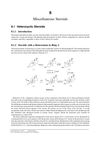
The document concludes that scientists created various steroids with different properties, including a more effective semi-synthetic vitamin D.
October 2025 in “Food science and nutrition” Coffee has evolved into a cultural symbol influenced by science, health, and global trends.
 August 2023 in “Drug Design Development and Therapy”
 Minoxidil may work for hair loss by reducing androgen sensitivity and altering hormone-related enzymes.
 January 2006 in “Carl von Ossiezky University of Oldenburg”
 Unpigmented keratinocytes absorb substances faster, while melanocytes bind more strongly to melanin.
69 citations
,
February 2019 in “Industrial Crops and Products” Zizyphus lotus leaves and fruits have strong antidiabetic effects and potential skin benefits.
May 2026 in “Scientific Reports” Delphinium brunonianum shows promise for medical use due to its bioactive compounds and effective nanoparticle synthesis.
 January 2026 in “Nature Communications”
 A wearable device using NIR light may help treat hair loss non-invasively.
 October 2024 in “Cochrane library”
 No high-certainty evidence supports any specific acne treatment.
December 2015 in “OPAL (Open@LaTrobe) (La Trobe University)” QLT0267 stops hair follicle cell growth and movement.
3 citations
,
June 2023 in “Medicina” No medications for alcohol dependence have been approved for marketing yet.
 2 citations
,
July 2017 in “Deleted Journal”
2 citations
,
July 2017 in “Deleted Journal” Eclipta alba may improve memory.
1 citations
,
June 2025 in “Pharmacia” Botulinum toxin is effective for medical and cosmetic uses but requires careful handling to avoid serious side effects.
 1 citations
,
September 2024 in “African Journal of Biomedical Research”
1 citations
,
September 2024 in “African Journal of Biomedical Research” Curcuma longa and Dalbergia sissoo may work well together to treat inflammation, stress, and cancer.
 1 citations
,
January 2020 in “International journal of research in pharmacy and chemistry”
1 citations
,
January 2020 in “International journal of research in pharmacy and chemistry” Eclipta alba has many health benefits and potential for medical and nutritional use.
 December 2023 in “Medicine and Materials”
 Essential oils are increasingly used in cosmetics for their natural benefits but must be used carefully to avoid skin reactions.
Androgens increase norepinephrine release, promoting smooth muscle growth in male sex organs, which may contribute to benign prostatic hypertrophy.

The document corrects a mistake by stating that pimecrolimus, not tacrolimus, is the drug that concentrates in the skin.
55 citations
,
March 2000 in “American journal of clinical dermatology” Antiandrogens, particularly flutamide and CPA, are most effective for treating hirsutism, with long-term use needed for best results.