84 citations
,
June 2024 in “BMC Public Health” Social media videos on laryngeal cancer need better quality and professional input.
 68 citations
,
January 2022 in “International Journal of Molecular Sciences”
68 citations
,
January 2022 in “International Journal of Molecular Sciences” PCOS management includes lifestyle changes and medications, with ongoing research into repurposed drugs for better treatment options.
30 citations
,
August 2021 in “Journal of Ethnopharmacology” Akebia quinata and Akebia trifoliata have many health benefits and potential medical uses.
 21 citations
,
January 2022 in “Pharmaceutics”
21 citations
,
January 2022 in “Pharmaceutics” Colchicine might help treat different skin diseases, but more research is needed to confirm its effectiveness and safe dosage.
 18 citations
,
June 2019 in “Clinical research in dermatology”
18 citations
,
June 2019 in “Clinical research in dermatology” Acne can't be cured but can be managed with treatments like benzoyl peroxide and diet changes; it's costly and can lead to scarring and mental health issues.
17 citations
,
December 2022 in “Biosensors” Triboelectric nanogenerators can power wearable medical devices for long-term self-treatment and monitoring.
13 citations
,
September 2009 in “Heart & Lung” Kawasaki's disease can occur in adults and should be considered with specific symptoms and high ferritin levels.
8 citations
,
January 2025 in “JADA Foundational Science” Photobiomodulation therapy can reduce pain and inflammation and help heal tissues, but more research is needed to improve its effectiveness and safety.
2 citations
,
November 2025 in “International Journal of Molecular Sciences” Balancing good and harmful microbes is key to healing chronic wounds.
2 citations
,
December 2023 in “Pharmaceutics” Inhaling medicine may reduce side effects and improve treatment for a major lung cancer type.
1 citations
,
February 2024 in “Cosmetics” Cannabidiol shows promise as an effective treatment for acne.
 1 citations
,
August 2022 in “JAMMI”
1 citations
,
August 2022 in “JAMMI” Some people still have COVID-19 symptoms after 90 days, especially older patients and those with severe initial symptoms, but most return to normal.
1 citations
,
January 2022 in “Annals of Dermatology” Dutasteride is more effective than finasteride for long-term hair growth in men with androgenic alopecia.
March 2026 in “The Aging Male” PDE5 inhibitors cause earlier adverse events in BPH treatment, requiring careful monitoring.
October 2025 in “Frontiers in Medicine” Ixekizumab has known and some unexpected side effects.
 December 2024 in “Nutrients”
 Skin, hair, and nail changes can help detect eating disorders early.
 January 2024 in “Biochemistry Research International”
 Compounds from Ziziphus spina-christi roots show strong antibacterial and antioxidant potential.
 July 2023 in “Australasian Journal of Dermatology”
 The analysis found that alopecia areata, a hair loss condition, is not very common in Australia, affecting about 0.13% of people, with new cases most often seen in males aged 19 to 34 years.
 January 2021 in “Springer eBooks”
 Different rheumatological diseases can cause specific skin problems.
March 2025 in “Dermatology” Systemic therapies improve nail psoriasis but have high side effects; more research is needed.
 1 citations
,
July 1988 in “JAMA”
1 citations
,
July 1988 in “JAMA” Metronidazole can cause lung disease.
May 1985 in “The Pediatric Infectious Disease Journal” Trimethoprim-sulfamethoxazole can cause aseptic meningitis.
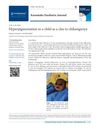 November 2024 in “Karnataka Pediatric Journal”
 Chikungunya can cause hyperpigmentation in children and should be considered in diagnosis.
29 citations
,
January 2005 in “Journal of Long-Term Effects of Medical Implants” Nonbullous impetigo is the most common bacterial skin infection in children, often needing treatment to prevent complications.
 January 2023 in “Brazilian Journals Editora eBooks”
 People with cleft lip and palate often have respiratory problems.
November 2017 in “Arthritis Care & Research”  January 2024 in “Editora In Vivo eBooks”
 H5N1 avian flu poses risks to birds and humans, requiring strict biosecurity measures.
July 2023 in “Indian Journal of Sexually Transmitted Diseases and AIDS” "Moth-eaten alopecia" can be a sign of secondary syphilis, treatable with penicillin.
39 citations
,
January 2008 in “World Journal of Gastroenterology” Pegylated interferon-alpha 2a can cause a rare nerve disorder, but early treatment can lead to full recovery.