 27 citations
,
May 2002 in “The Journal of Clinical Endocrinology & Metabolism”
27 citations
,
May 2002 in “The Journal of Clinical Endocrinology & Metabolism” Brothers of women with PCOS tend to have higher levels of a hormone called DHEAS, indicating a possible genetic link.
 14 citations
,
October 2016 in “Physiological Research”
14 citations
,
October 2016 in “Physiological Research” Alfacalcidiol and metformin together lowered testosterone in women with PCOS, but did not significantly improve acne, hair growth, or pregnancy rates.
 5 citations
,
April 2018 in “Journal of Dermatological Science”
5 citations
,
April 2018 in “Journal of Dermatological Science” Adjusting estradiol-ANGPT2 levels can promote hair growth in female pattern hair loss.
5 citations
,
August 2012 in “Archives of Dermatology” The immune system can cause permanent skin and hair whitening by attacking pigment cells.
 4 citations
,
September 2013 in “Expert Review of Endocrinology & Metabolism”
4 citations
,
September 2013 in “Expert Review of Endocrinology & Metabolism” Different types of polycystic ovary syndrome show varying levels of insulin resistance, with the 'PHO' type being the most insulin resistant.

Improving quercetin absorption reduces aging signs in mice by benefiting gut health.
 April 2026 in “Biomedical Research and Therapy”
 CYB5R1 and IL1A genes may be linked to different types of acne scars.

Atopic dermatitis affects the appearance of skin reactions, making certain features more common and improving diagnostic accuracy with dermoscopy.
 December 2021 in “The Journal of clinical endocrinology and metabolism/Journal of clinical endocrinology & metabolism”
 Men can have genetic risks for PCOS-related traits like obesity and diabetes.
July 2020 in “RePub (Erasmus University, Rotterdam)” Facial skin aging is influenced by wrinkles, spots, genetics, and environment.
 March 2012 in “Journal of Pediatric and Adolescent Gynecology”
 Androgen levels do not determine the type of PCOS symptoms in young females.
July 2024 in “Journal of Investigative Dermatology” Human epidermal stem cells divide faster than previously thought.
 November 2022 in “The journal of investigative dermatology/Journal of investigative dermatology”
 TYK2 inhibition may help treat alopecia areata by promoting hair growth and reducing immune response.
December 2016 in “University of Birmingham Institutional Research Archive (University of Birmingham)” Glucocorticoids reduce fat production in liver cells, while androgens increase it in females; manipulating certain enzymes can influence these effects.
 September 2016 in “Journal of Dermatological Science”
 Certain gene mutations in Japanese people are linked to different types of hair loss, with some causing mild hair thinning and others leading to complete baldness.
 March 2009 in “The Journal of Urology”
 Low dose finasteride causes only small changes in PSA levels in older men with BPH.
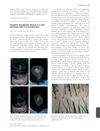 July 2011 in “British Journal of Dermatology”
 Hormone treatment caused hair loss, finasteride helped regrowth.
21 citations
,
November 2015 in “Phytomedicine” Glycyrrhizic acid may help reduce unwanted hair growth.
 April 2026 in “Preprints.org”
 Bioavailable quercetin may help improve aging signs by positively affecting gut health.
 January 2023 in “International journal of medical science and health research”
 Anovulatory PCOS patients are younger with longer cycles and higher blood pressure and hormone levels.
1 citations
,
December 2017 in “International Journal of Public Health Science (IJPHS)” Obesity and BMI don't differ among PCOS types, but teens should learn about long-term health risks.
 July 2022 in “Fayoum University Medical Journal”
 Different types of PCOS affect metabolic syndrome and pregnancy rates differently.
January 2012 in “The Journal of Qazvin University of Medical Sciences” Early investigation of PCOS in high school girls is necessary due to associated risks and side effects.
55 citations
,
April 2008 in “Clinical Genetics” A new mutation in the ST14 gene was found in a patient with ARIH syndrome, showing milder symptoms and no tooth issues.
51 citations
,
August 2013 in “The Journal of experimental medicine/The journal of experimental medicine” Loss of a specific protein in skin cells causes symptoms similar to psoriasis.
 42 citations
,
December 2016 in “Cell Death & Differentiation”
42 citations
,
December 2016 in “Cell Death & Differentiation” Damaging mitochondrial DNA in mice speeds up aging due to increased reactive oxygen species, not through the p53/p21 pathway.
 17 citations
,
February 2015 in “Cell Death and Disease”
17 citations
,
February 2015 in “Cell Death and Disease” Inhibiting AP1 in mice skin causes structural changes and weakens the skin barrier.
 15 citations
,
April 2022 in “Ginekologia Polska”
15 citations
,
April 2022 in “Ginekologia Polska” Higher thyroid hormone levels may be linked to certain types of polycystic ovary syndrome.
 7 citations
,
October 2012 in “S. Karger AG eBooks”
7 citations
,
October 2012 in “S. Karger AG eBooks” Some conditions mimic PCOS symptoms and need careful diagnosis to treat potentially serious health issues.
 6 citations
,
May 2013 in “PloS one”
6 citations
,
May 2013 in “PloS one” The Foxn1(-/-) nude mouse shows disrupted and expanded skin stem cell areas due to high Lhx2 levels.