 18 citations
,
February 2018 in “International Journal of Molecular Sciences”
18 citations
,
February 2018 in “International Journal of Molecular Sciences” PGD2 increases androgen receptor activity in hair cells, which could be targeted to treat hair loss.
 May 2026 in “Journal of Health Sciences and Medicine”
 Biotinoyl tripeptide-1 nanoparticles effectively protect hair from heat damage.
8 citations
,
January 2018 in “Journal of Analytical Methods in Chemistry” A new method accurately measures a drug in skin for cancer therapy research.
 January 2025 in “International Journal of Cosmetic Science”
 Citric acid strengthens and improves damaged hair.
 May 2025 in “Journal of Pharmacy And Bioallied Sciences”
 Tofacitinib effectively promotes hair regrowth in children with alopecia areata, but more research on long-term safety is needed.
 6 citations
,
February 2022 in “The journal of neuroscience/The Journal of neuroscience”
6 citations
,
February 2022 in “The journal of neuroscience/The Journal of neuroscience” Deleting the PTEN gene in mice causes nerve cells to grow larger and heal better after injury, but may cause overgrowth and hair loss in older mice.
8 citations
,
January 2011 in “International journal of trichology” Accurate diagnosis of APL is crucial to avoid unnecessary treatments.
 49 citations
,
January 2003 in “Clinical and Experimental Dermatology”
49 citations
,
January 2003 in “Clinical and Experimental Dermatology” The document concludes that post-menopausal frontal fibrosing alopecia is a poorly understood condition that does not respond well to common treatments.
 August 2023 in “Journal of Cosmetic Dermatology”
 Exosomes from hair papilla cells and the Chinese medicine Liao Tuo Fang can potentially promote hair growth and could be used to develop hair growth drugs.
January 2004 in “Linchuang pifuke zazhi” All-trans retinoic acid helps amelanotic melanocytes in hair follicles develop and produce pigment while reducing their growth.
 January 2020 in “Majalah Kedokteran Gigi Indonesia”
 Freeze-drying collagen-activated PRP increases TGF-β1 levels, enhancing tissue regeneration potential.
A new microneedle patch effectively treats hair loss by delivering growth factors to the skin.
1 citations
,
March 2023 in “Journal of the Turkish Academy of Dermatology” Temporal triangular alopecia may be linked to sebaceous nevus and shows a new pinkish background feature.
 5 citations
,
January 2021 in “IEEE Access”
5 citations
,
January 2021 in “IEEE Access” Electric pulses can effectively activate platelets and release growth factors, offering a better alternative to traditional methods.
 June 2017 in “Journal of the American Academy of Dermatology”
 Tofacitinib is effective and safe for treating severe alopecia areata and related conditions.
May 2026 in “Materials Today Bio” The nanocomplex protects hair from UV damage and strengthens it.
October 2025 in “Biomedicines” Terminalia chebula fruit extract helps hair growth by reducing DHT and boosting hair cell activity.
September 2025 in “Journal of lasers in medical sciences” Thulium laser therapy is a safe and effective short-term treatment for hair regrowth.
 March 1998 in “Journal of dermatological science”
 Diphencyprone initially increases mouse hair growth, then slows it, possibly due to changes in specific protein levels.
 1 citations
,
December 2021 in “JAAD case reports”
1 citations
,
December 2021 in “JAAD case reports” A woman with severe hair loss saw significant hair regrowth after adding platelet-rich plasma injections to her treatment with tofacitinib.
24 citations
,
November 1997 in “Journal of Biological Chemistry” Mouse high-glycine/tyrosine proteins have distinct patterns in hair follicles, peaking at specific hair cycle days.
 14 citations
,
May 2020 in “Biomolecules & Therapeutics”
14 citations
,
May 2020 in “Biomolecules & Therapeutics” Vanillic acid from wheat bran may promote hair growth by activating certain cell pathways and reversing hormone-related hair loss.
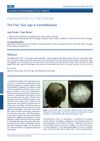 13 citations
,
June 2012 in “Journal of Dermatological Case Reports”
13 citations
,
June 2012 in “Journal of Dermatological Case Reports” An 8-year-old boy with hair-pulling disorder had a bald patch that was confirmed not to be a fungal infection and was treated with therapy.
4 citations
,
April 1986 in “Cancer Letters” GSH-T levels in hair follicles are similar in smokers and non-smokers and don't increase with certain treatments.
 17 citations
,
January 2019 in “Dermatologic Therapy”
17 citations
,
January 2019 in “Dermatologic Therapy” Tofacitinib is effective and safe for long-term treatment of severe alopecia areata, with many patients achieving complete hair regrowth.
April 2026 in “Journal of Dermatological Treatment” CGF and i-PRF are more effective and safer than PRP for treating female pattern hair loss.
 1 citations
,
May 2024 in “Dermatology and Therapy”
1 citations
,
May 2024 in “Dermatology and Therapy” Frontal Fibrosing Alopecia needs better diagnostics and treatments, with dutasteride showing promise.
 17 citations
,
August 2007 in “Bioorganic & Medicinal Chemistry Letters”
17 citations
,
August 2007 in “Bioorganic & Medicinal Chemistry Letters” A compound made by Pfizer can potentially stimulate hair growth and reduce oil production, making it a good candidate for topical use.
 3 citations
,
June 1983 in “Archives of Dermatology”
3 citations
,
June 1983 in “Archives of Dermatology” Aminopterin effectively improves skin conditions but has toxic side effects that need careful monitoring.
 May 2025 in “International Journal of Molecular Sciences”
 DHHB from Platycladus orientalis L. promotes hair growth and could be a natural alternative to current treatments.