 9 citations
,
January 2020 in “Postepy Dermatologii I Alergologii”
9 citations
,
January 2020 in “Postepy Dermatologii I Alergologii” Frontal fibrosing alopecia is a poorly understood condition with increasing cases and unclear treatment effectiveness.
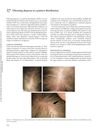 April 2012 in “Informa Healthcare eBooks”
 Fibrosing alopecia in a pattern distribution is a unique hair loss condition with inflammation and scarring, resembling but distinct from common balding.
 January 2025 in “Indian Journal of Dermatology”
 Frontal fibrosing alopecia is a challenging hair loss condition with no known cause or definitive treatment.
June 2025 in “British Journal of Dermatology” Frontal fibrosing alopecia can occur in men and may be linked to immune triggers like vaccines.
 November 2023 in “Journal of cosmetic dermatology”
 The 595-nm pulsed dye laser effectively reduces symptoms of EFFC with minimal side effects.
 August 2016 in “Journal of the Portuguese Society of Dermatology and Venereology”
 Two women with darker skin had both frontal hair thinning and skin discoloration.
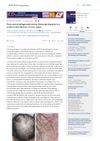 March 2023 in “Journal of Cosmetic Dermatology”
 A woman's progressive hair loss was correctly diagnosed as a rare condition called fibrosing alopecia in a pattern distribution after initially being mistaken for a more common type.
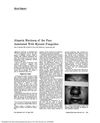 28 citations
,
May 1978 in “Archives of dermatology”
28 citations
,
May 1978 in “Archives of dermatology” Alopecia mucinosa on the face can be linked to mycosis fungoides, a type of lymphoma.
June 2026 in “British Journal of Dermatology” Frontal fibrosing alopecia is linked to thyroid disease, lupus, vitiligo, and heart disease.
4 citations
,
March 2003 in “International Journal of Dermatology” Pimozide treatment resolved cysts and partially restored cheek fat in a man with Barraquer–Simons syndrome.
5 citations
,
January 2016 in “Skin appendage disorders” Frontal fibrosing alopecia might be linked to autoimmune diseases.
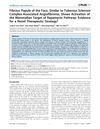 12 citations
,
February 2014 in “PLoS ONE”
12 citations
,
February 2014 in “PLoS ONE” Topical rapamycin may effectively treat fibrous papules on the face.
December 2016 in “Anales del sistema sanitario de Navarra” Frontal fibrosing alopecia is increasing, especially in postmenopausal women, and treatment with finasteride can improve it.
 8 citations
,
November 2018 in “Australasian Journal of Dermatology”
8 citations
,
November 2018 in “Australasian Journal of Dermatology” Frontal fibrosing alopecia in families shows similar signs to individual cases and may have a genetic link.
 12 citations
,
March 2018 in “Anais brasileiros de dermatologia/Anais Brasileiros de Dermatologia”
12 citations
,
March 2018 in “Anais brasileiros de dermatologia/Anais Brasileiros de Dermatologia” A patient had both chronic cutaneous lupus erythematosus and frontal fibrosing alopecia.
5 citations
,
November 1979 in “Archives of dermatology” Tretinoin cream successfully treated a woman's skin condition called Fox-Fordyce disease.
 January 2020 in “Revista da Sociedade Portuguesa de Dermatologia e Venereologia”
 Frontal fibrosing alopecia in Brazil mostly affects postmenopausal women, often linked with hypothyroidism and eyebrow hair loss.
 December 2025 in “TURKDERM”
 Facial trichostasis spinulosa is a chronic condition with significant cosmetic impact, especially in young women.
5 citations
,
August 2003 in “AIDS” A new form of lipodystrophy in HIV patients causes neck fat buildup.
January 2020 in “JAAD case reports” Hair loss condition FFA was seen before the appearance of skin depigmentation vitiligo in a patient.
 May 2015 in “Journal of the American Academy of Dermatology”
 Certain drugs and supplements may contribute to hair loss in the frontal hairline in older women.
3 citations
,
March 2023 in “Cell Biology International” Stem cell-enriched fat grafts improve facial hyperpigmentation better than conventional grafts.
 November 2022 in “Research Square (Research Square)”
 Using facial sunscreen and moisturizer may increase the risk of frontal fibrosing alopecia.
14 citations
,
January 2014 in “Indian Journal of Dermatology Venereology and Leprology” Frontal fibrosing alopecia can affect men's beards and leads to permanent hair loss.
 3 citations
,
September 2021 in “Experimental and Therapeutic Medicine”
3 citations
,
September 2021 in “Experimental and Therapeutic Medicine” Early diagnosis of Keratosis pilaris atrophicans faciei can lead to better, personalized treatments.
 November 2023 in “The journal of investigative dermatology/Journal of investigative dermatology”
 Early treatment and multidisciplinary care are key to managing Frontal Fibrosing Alopecia and preventing further hair loss.
 8 citations
,
September 2011 in “European Journal of Dermatology”
8 citations
,
September 2011 in “European Journal of Dermatology” Most treatments for Frontal Fibrosing Alopecia are ineffective, but early anti-inflammatory therapy may help and the condition may stabilize over time.
 26 citations
,
August 2016 in “Actas Dermo-Sifiliográficas”
26 citations
,
August 2016 in “Actas Dermo-Sifiliográficas” Frontal Fibrosing Alopecia in men is often missed and can come with symptoms like facial bumps and hair loss on eyebrows and limbs.
3 citations
,
June 2016 in “JEADV. Journal of the European Academy of Dermatology and Venereology/Journal of the European Academy of Dermatology and Venereology” A patient with hair loss condition grew excessive hair in areas covered by a cast.
January 2016 in “Indian dermatology online journal” Frontal fibrosing alopecia causes hair loss at the front hairline, and no effective treatment exists.