 19 citations
,
August 2018 in “International Journal of Dermatology”
19 citations
,
August 2018 in “International Journal of Dermatology” Lupus panniculitis of the scalp causes linear hair loss and needs ongoing treatment to prevent recurrence and lupus.
July 2022 in “Journal of Investigative Dermatology” Scalp clarifying shampoo can help reduce hair loss and improve hair volume.
32 citations
,
September 1996 in “Archives of Dermatological Research” 6 citations
,
September 1996 in “Archives of Dermatological Research” 9 citations
,
September 2014 in “British journal of dermatology/British journal of dermatology, Supplement” Pseudofolliculitis cutis causes painful skin bumps and needs proper shaving and treatments to manage.
July 2022 in “British Journal of Dermatology” January 2022 in “International Research Journal of Ayurveda & Yoga” Asthisrinkala lepa is more effective than Triphala mashi lepa for treating Alopecia areata.
1 citations
,
July 2025 in “Journal of Cosmetic Dermatology” Exosome treatment from stem cells improved hair regrowth and reduced scalp issues in a woman with lichen planopilaris.
 9 citations
,
July 2017 in “Dermatologic Therapy”
9 citations
,
July 2017 in “Dermatologic Therapy” Two elderly men developed scalp inflammation after using a gel for skin lesions, which healed with treatment except for some permanent hair loss.
 1 citations
,
January 2019 in “Acta dermato-venereologica”
1 citations
,
January 2019 in “Acta dermato-venereologica” The woman's skin and hair symptoms were confirmed as frontal fibrosing alopecia, and while facial papules are common in such cases, there's no effective local treatment, but systemic treatments can help.
July 1974 in “Archives of dermatology” The woman's widespread skin condition did not improve despite various treatments.
1 citations
,
January 2014 Crataegus pinnatifida extract promotes hair growth in mice.
19 citations
,
July 2017 in “Clinical and experimental dermatology” Men with lichen planopilaris had earlier onset than women, and treatment usually improved the condition.
5 citations
,
March 1943 in “Archives of Dermatology and Syphilology” A rare case of severe scalp hair loss and nail issues in keratosis follicularis was observed.
7 citations
,
January 2014 in “International Journal of Trichology” Primary idiopathic pseudopelade of Brocq causes gradual, scarring hair loss with no effective treatment.
 5 citations
,
December 2015 in “Dermatologic Therapy”
5 citations
,
December 2015 in “Dermatologic Therapy” Using a certain drug on the skin can help prevent hair loss caused by pulling on the hair.
5 citations
,
August 2001 in “International Journal of Dermatology” A 20-year-old had hair loss and skin issues from lichen planopilaris starting at age 10.
April 2025 in “Health Science Reports” PRP treatment improved skin pigmentation and appearance in facial lichen planus pigmentosus.
4 citations
,
April 2024 in “Clinical Cosmetic and Investigational Dermatology” Trichoscopy helps distinguish between scalp Discoid Lupus Erythematosus and Lichen Planopilaris for accurate diagnosis and treatment.
 November 2025 in “Journal of Microbiology and Biotechnology”
 Pea sprout extract may help hair regrow by reducing stress and inflammation.
54 citations
,
May 2001 in “Journal of Investigative Dermatology” Excessive putrescine causes hair loss in transgenic mice by disrupting hair follicle development.
 1 citations
,
December 2016 in “Journal of Pakistan Association of Dermatology”
1 citations
,
December 2016 in “Journal of Pakistan Association of Dermatology” Medroxyprogesterone acetate iontophoresis safely and effectively reduces facial hair growth in women.
 July 2026 in “Journal of Indian System of Medicine”
 Ayurvedic treatment successfully regrew hair in a 20-year-old with alopecia areata.
17 citations
,
November 1967 in “American Journal of Anatomy” Hairless mice have longer hair follicles and abnormal structures during the catagen phase.
9 citations
,
October 1947 in “The Lancet” 1 citations
,
November 1947 in “The Lancet” 28 citations
,
January 2015 in “Journal of Cell Science” PINCH-1 is crucial for skin cell adhesion and movement, working with EPLIN and ILK.
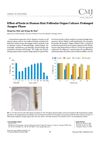 January 2026 in “Chonnam Medical Journal”
 Escin helps keep hair follicles in the growth phase longer.
June 2021 in “The Journal of Family Practice” A 69-year-old woman has a fast-growing hand lesion that didn't improve with salicylic acid.
September 2017 in “The journal of investigative dermatology/Journal of investigative dermatology” N-acetyl-GED may help prevent and partially reverse a process that leads to scarring hair loss.