22 citations
,
October 2018 in “Molecular Medicine Reports” Classic PDRN improves wound healing quality by enhancing cell migration.
September 2017 in “The journal of investigative dermatology/Journal of investigative dermatology” Different types of human skin cells respond uniquely to various colors and doses of light, which could lead to specialized light treatments for skin conditions.
2 citations
,
May 2023 in “Biology” New mouse models of Pemphigus show severe symptoms and need better treatments.
 15 citations
,
January 2020 in “RSC advances”
15 citations
,
January 2020 in “RSC advances” The new palladium catalyst is effective and reusable for making pharmaceutical ingredients.
October 2022 in “Hair Transplantation” Temporary scalp trichopigmentation creates a shaved hair look on the scalp using pigments that fade over time.
 August 2024 in “Biomolecules & Therapeutics”
 A new compound, HTPI, promotes hair growth by protecting cells from damage and regulating energy use.
32 citations
,
July 2003 in “Histochemistry and Cell Biology” 2 citations
,
November 2018 in “Veterinary Dermatology” Poodles' hair changes aren't always linked to calcium, and special staining is needed to detect true calcium deposits.
August 2013 in “Toxicology letters”  October 2021 in “Journal of Investigative Dermatology”
 DPP4, a molecule in skin, helps heal large wounds and regrow hair follicles when its levels are reduced.
7 citations
,
December 2024 in “International Journal of Pharmaceutics” Dissolving microneedle patches can effectively deliver drugs over time.
 March 2026 in “Portuguese Journal of Dermatology and Venereology”
 Avoid hair dye after microneedling to prevent scalp pigmentation.
 November 2025 in “Zenodo (CERN European Organization for Nuclear Research)”
 Polyherbal hair dye cream is safe, effective, and eco-friendly, offering better color and no side effects.

PmtHEE is a better model for studying pigmented skin because it includes melanocytes and shows improved cell differentiation.
1 citations
,
October 2019 in “International Journal of Dermatology and Venereology” Zebrafish help understand genetic causes of skin pigment disorders like albinism.
 68 citations
,
March 1965 in “The BMJ”
68 citations
,
March 1965 in “The BMJ” Hormones and genetics affect hair growth and patterns, with some changes reversible and others not.
 4 citations
,
October 2014 in “Journal of Integrative Agriculture”
4 citations
,
October 2014 in “Journal of Integrative Agriculture” Researchers found 24 genes that change significantly and affect cashmere growth in goats; this could help increase cashmere production.
 October 2024 in “Revista Electronica de Veterinaria”
 Siddha medicine can effectively treat Alopecia areata, leading to significant hair regrowth.
 May 2024 in “Nano letters”
 Polydopamine and quercetin together can speed up hair regrowth.
May 2025 in “Biomedicine & Pharmacotherapy” Hyperbranched polymer dots significantly boost hair regrowth better than minoxidil.
A new method using stamps improves symmetry in hair restoration surgery.
 5 citations
,
January 2021 in “iScience”
5 citations
,
January 2021 in “iScience” Using a combination of specific cell cycle regulators is better for safely keeping hair root cells alive indefinitely compared to cancer-related methods.
 March 2026 in “Zenodo (CERN European Organization for Nuclear Research)”
 The natural hair dye is safe, effective, and good for scalp health.
 March 2026 in “Zenodo (CERN European Organization for Nuclear Research)”
 The natural hair dye is safe, effective, and good for scalp health.
2 citations
,
August 2025 in “Pharmaceutics” PN hydrates skin; PDRN heals and regenerates skin and hair.

DOPE:DOPC liposomes can improve targeted cancer drug delivery, reducing side effects and increasing effectiveness.
 15 citations
,
November 2016 in “Journal of The American Academy of Dermatology”
15 citations
,
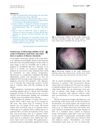
November 2016 in “Journal of The American Academy of Dermatology” Exclamation mark hairs suggest early scalp disease, while white dots indicate it's chronic.
1 citations
,
September 2003 in “Annals of Epidemiology” October 2024 in “UNESP Institutional Repository (São Paulo State University)” Straightening and dyeing damage hair structure.
29 citations
,
April 2017 in “Macromolecular bioscience” Scientists created tiny pH-sensing gels that can safely measure the pH levels inside hair follicles.